Colors
 Support


Quran Parah 5 The fifth Para of the Holy Quran, titled Wal Mohsanat, continues the powerful message of Surah An-Nisa (The Women). It highlights essential aspects of Islamic law, particularly concerning justice, family life, and the protection of rights. This Para emphasizes fairness in dealing with women, orphans, and the vulnerable, while also addressing crucial rulings on marriage, inheritance, legal punishments, and moral conduct.
It also contains important guidance on maintaining the moral and legal framework of a just society — where the rights of all are respected and protected. Through these commands, Allah establishes the principles of mercy, equality, and accountability in both private and public life.
Quran Parah 5 offers profound insight into the foundations of an ethical and dignified Muslim society. It builds upon the social reforms introduced in Surah An-Nisa by ensuring the protection and upliftment of women, safeguarding the rights of orphans, and setting clear boundaries for moral and legal behavior. Topics like lawful and unlawful marriages, punishment for immoral acts, and the importance of fulfilling trusts are addressed with divine wisdom.
This Para also outlines the responsibilities of believers when it comes to justice, especially in times of conflict or confusion. It reminds us that every action must align with the values of truth, equity, and compassion. By implementing the teachings of Para 5, a believer not only strengthens their personal character but also contributes to a more fair and righteous society as a whole.
Read Quran Para 5 Online
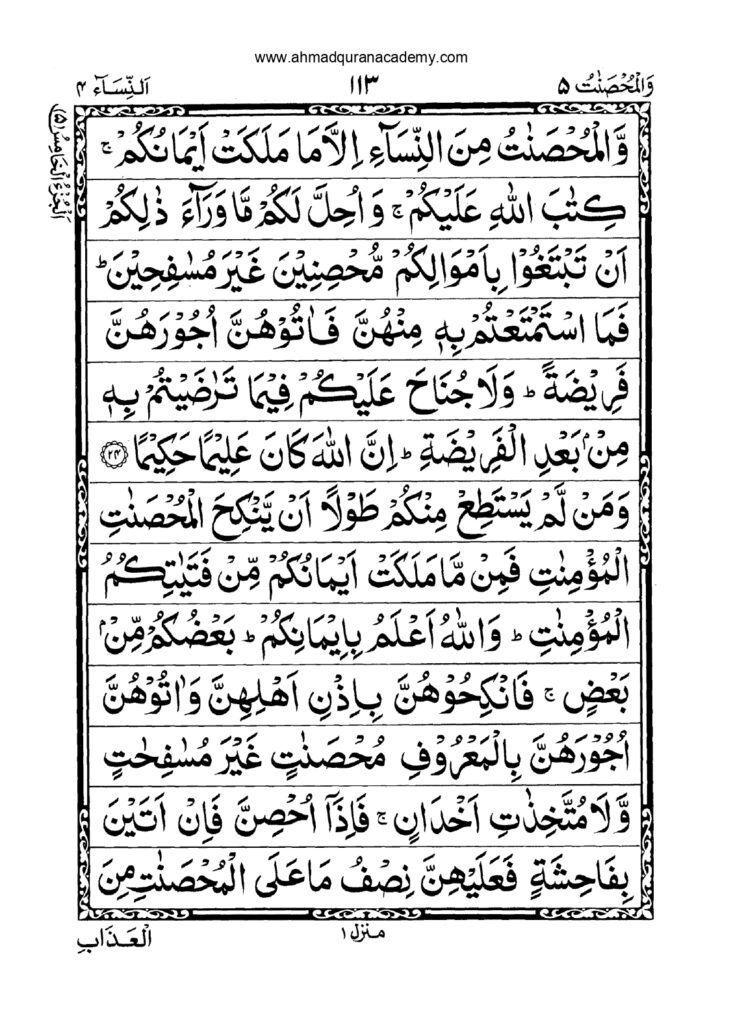
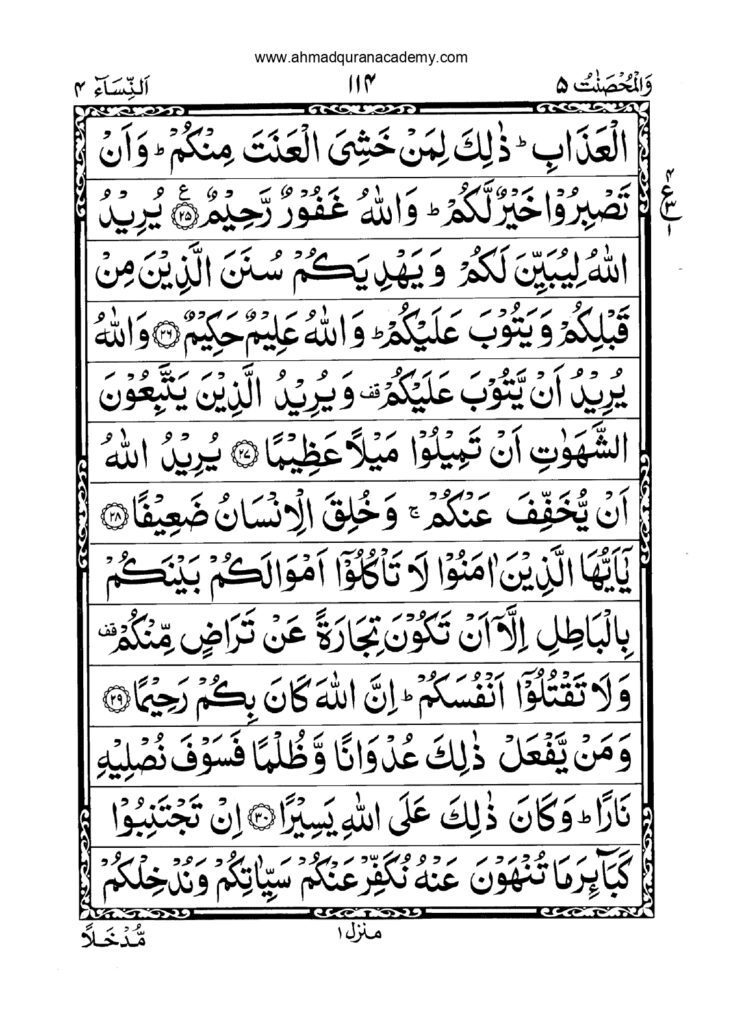
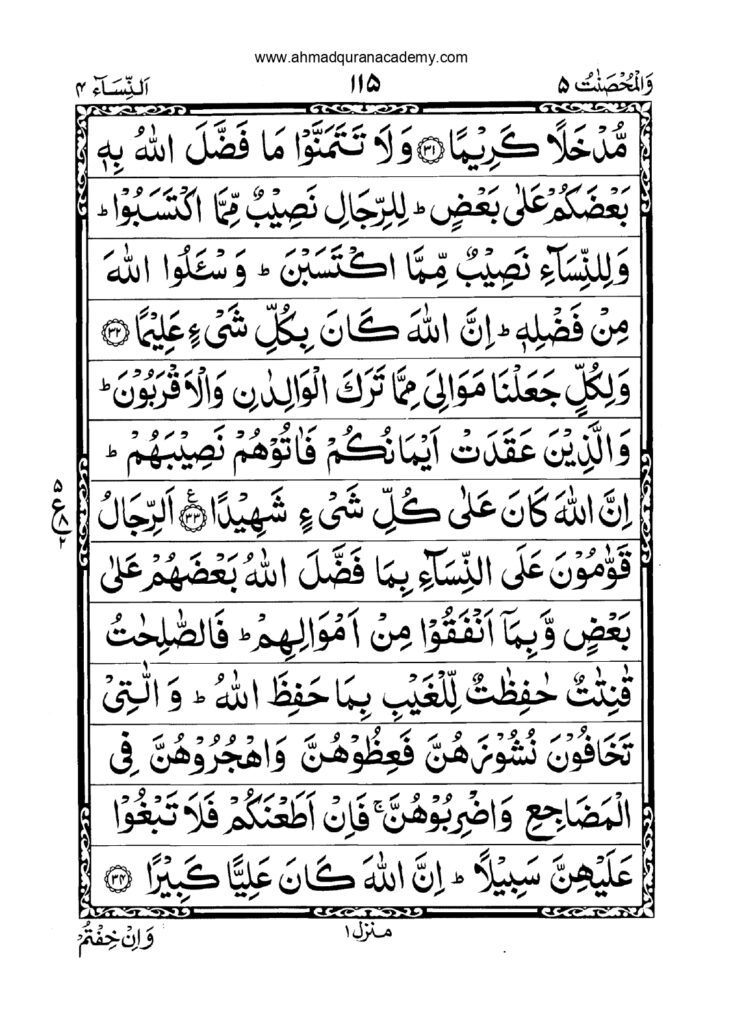
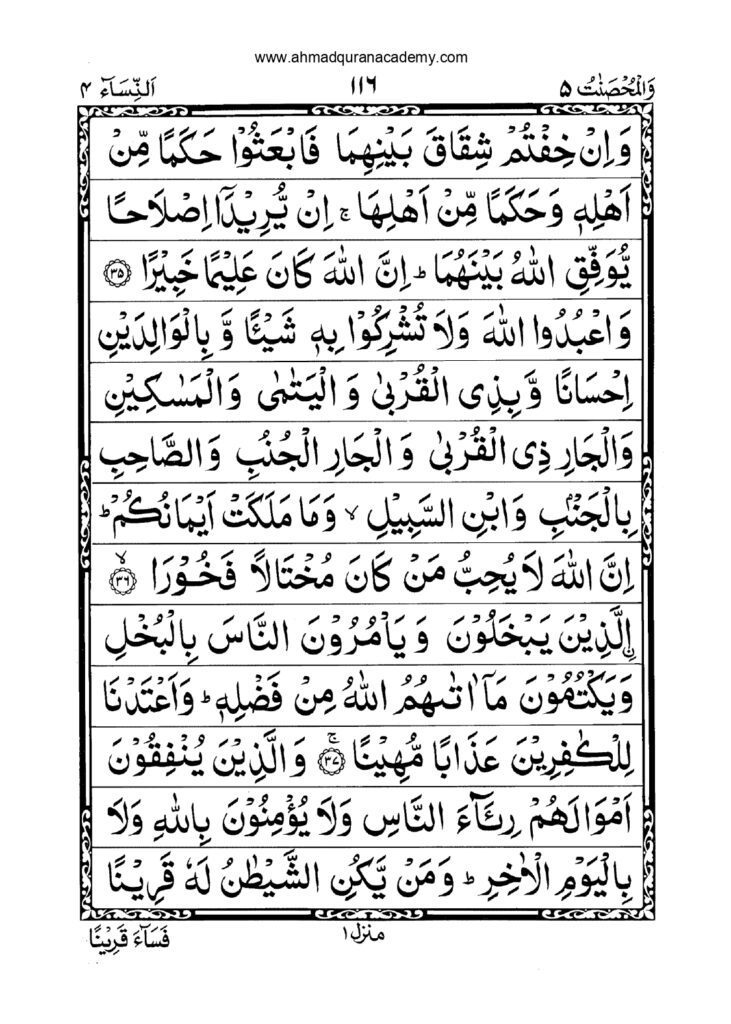
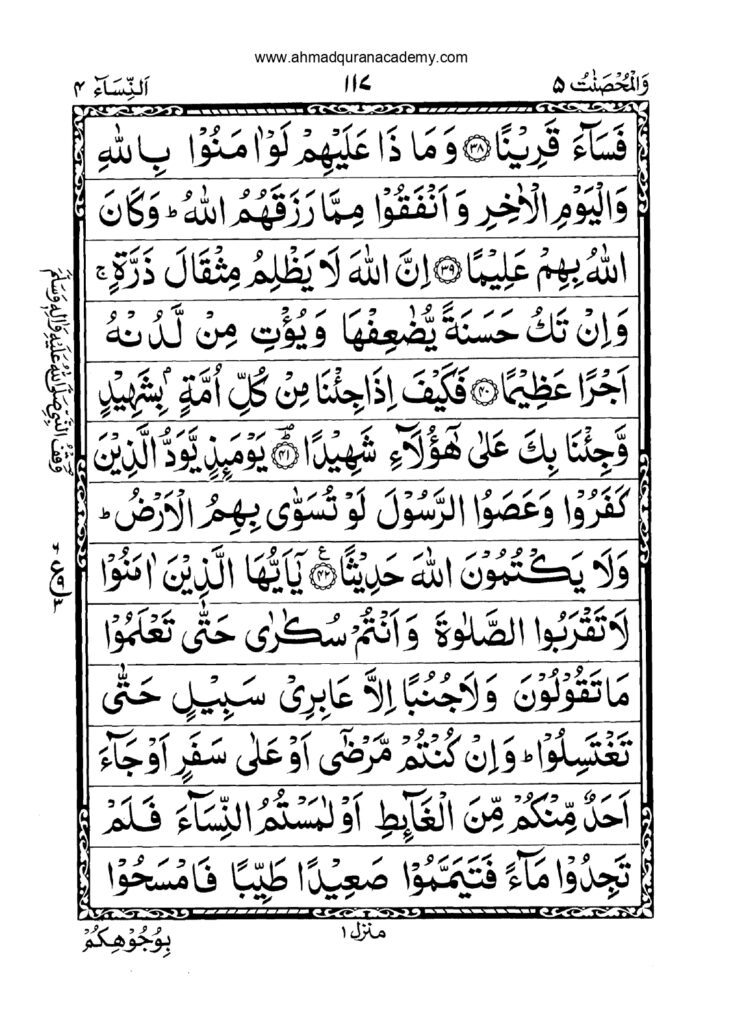
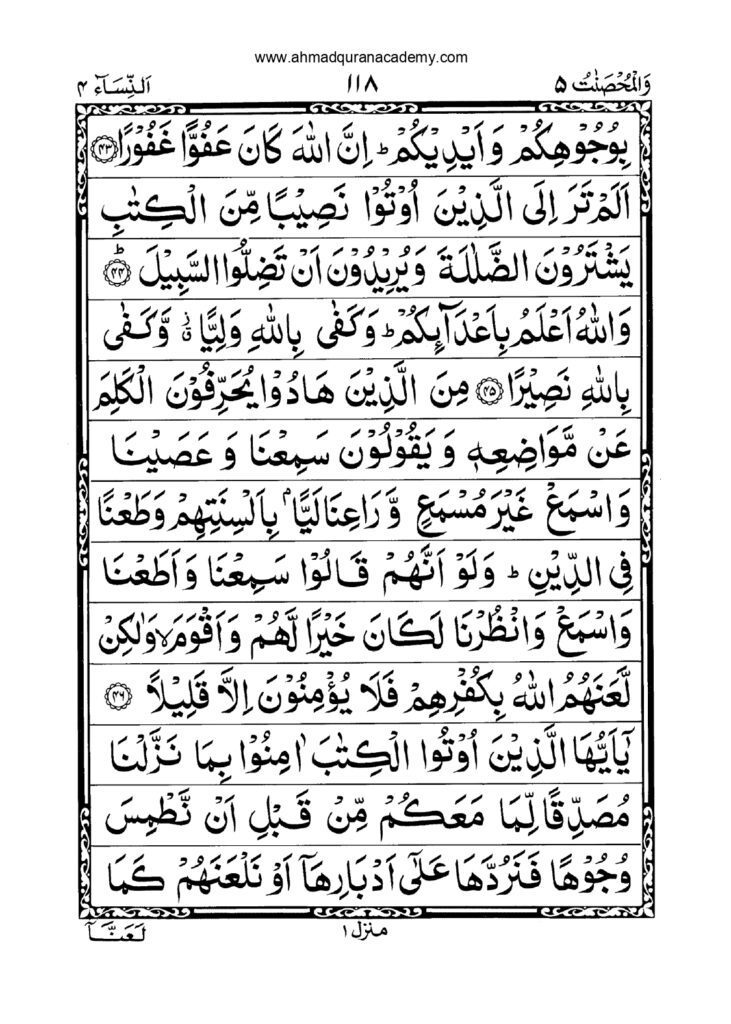
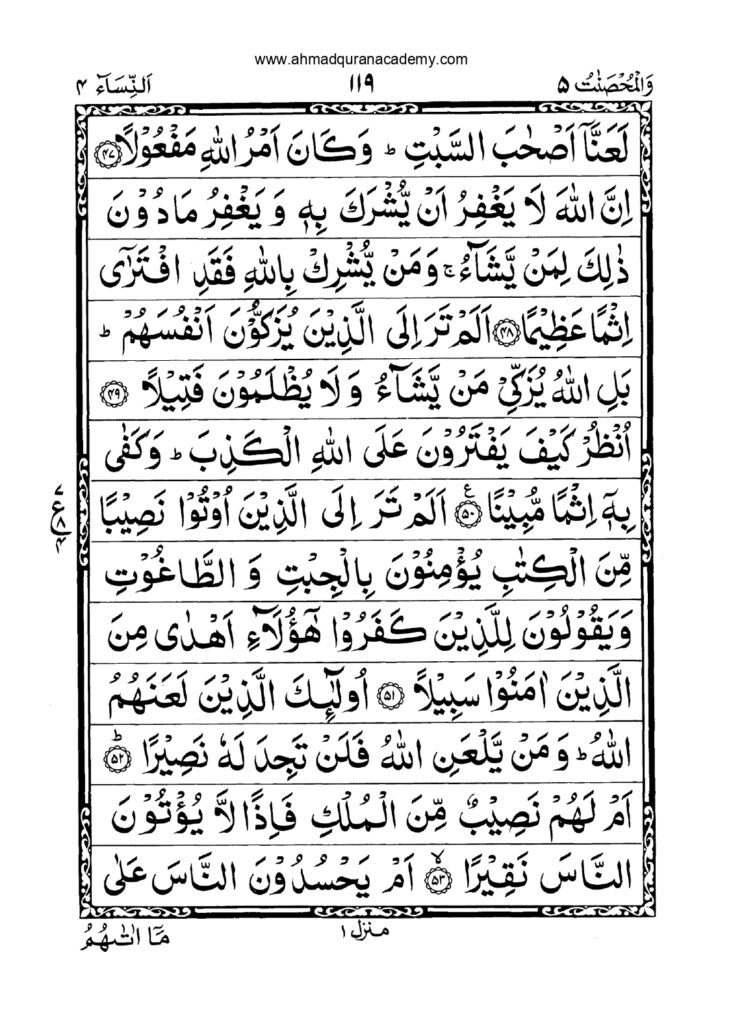
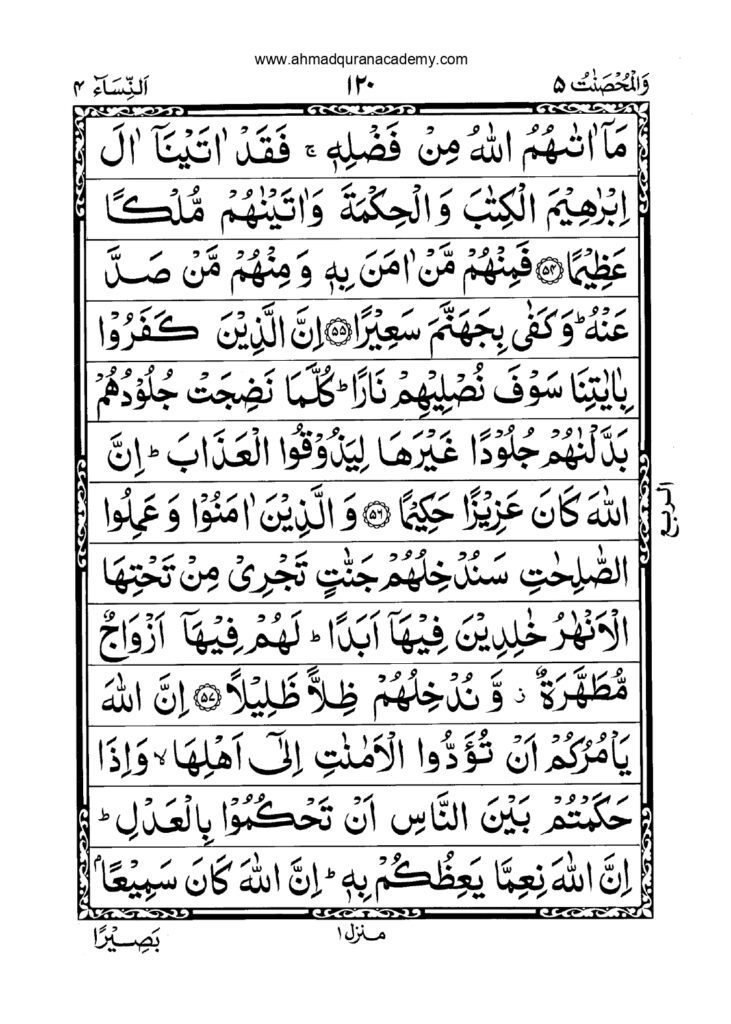
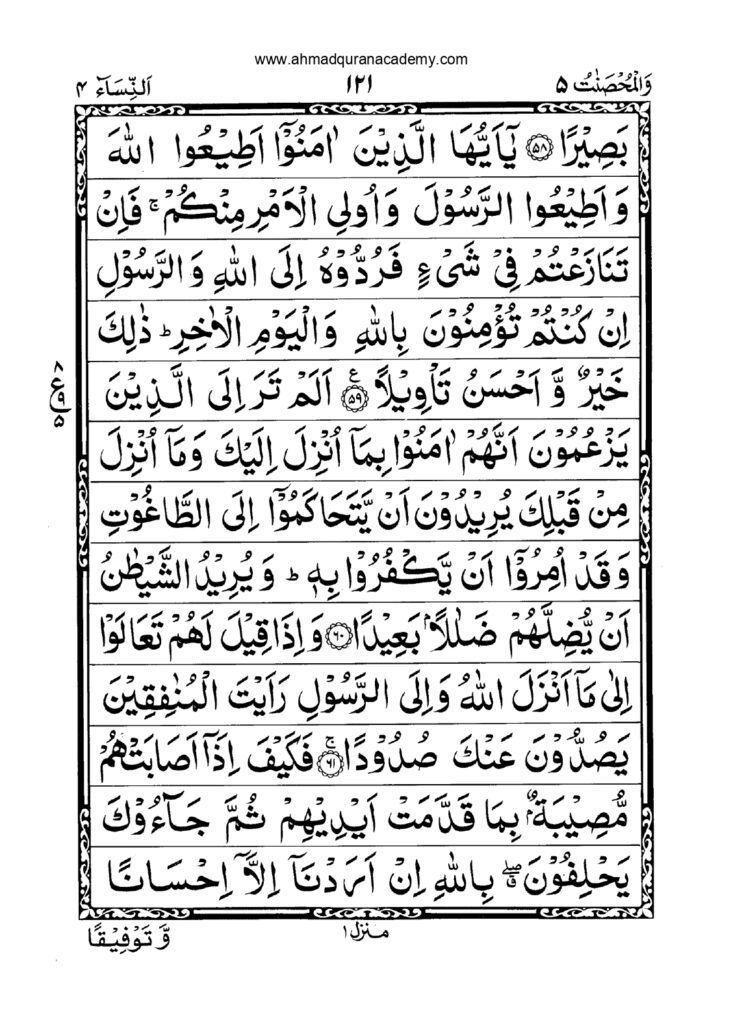
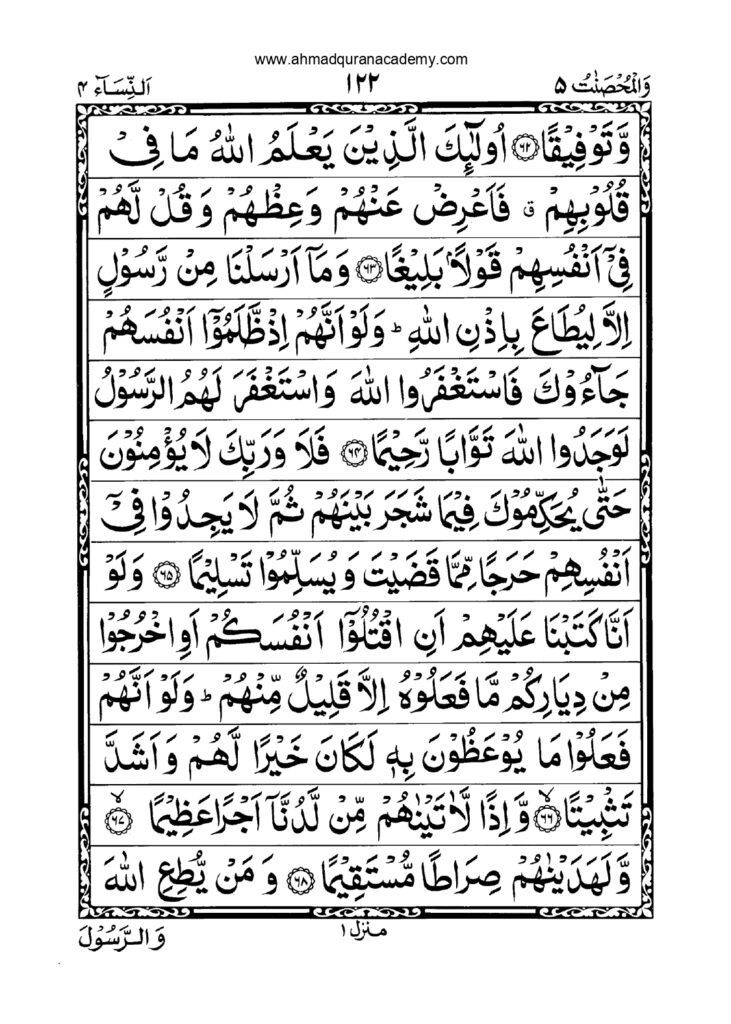
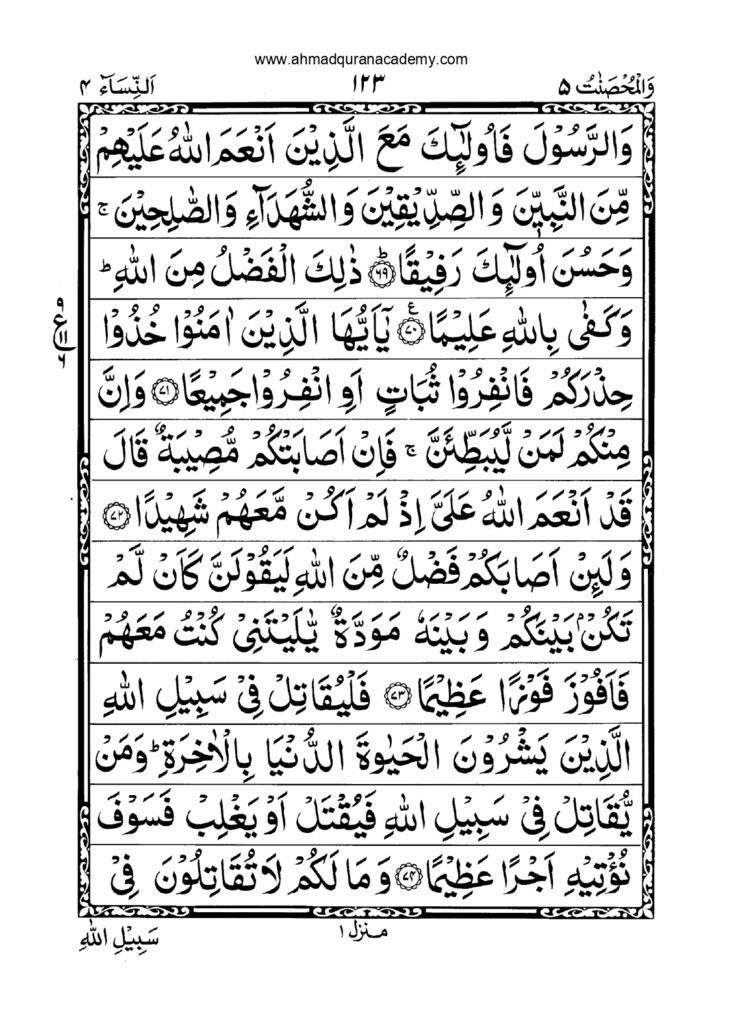
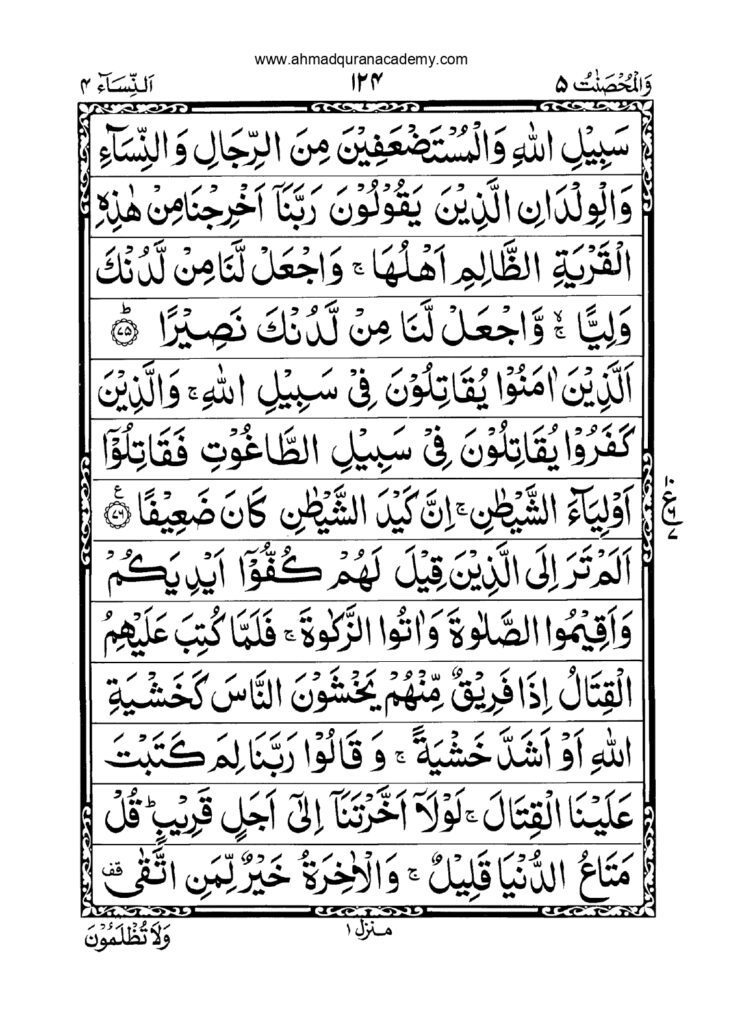
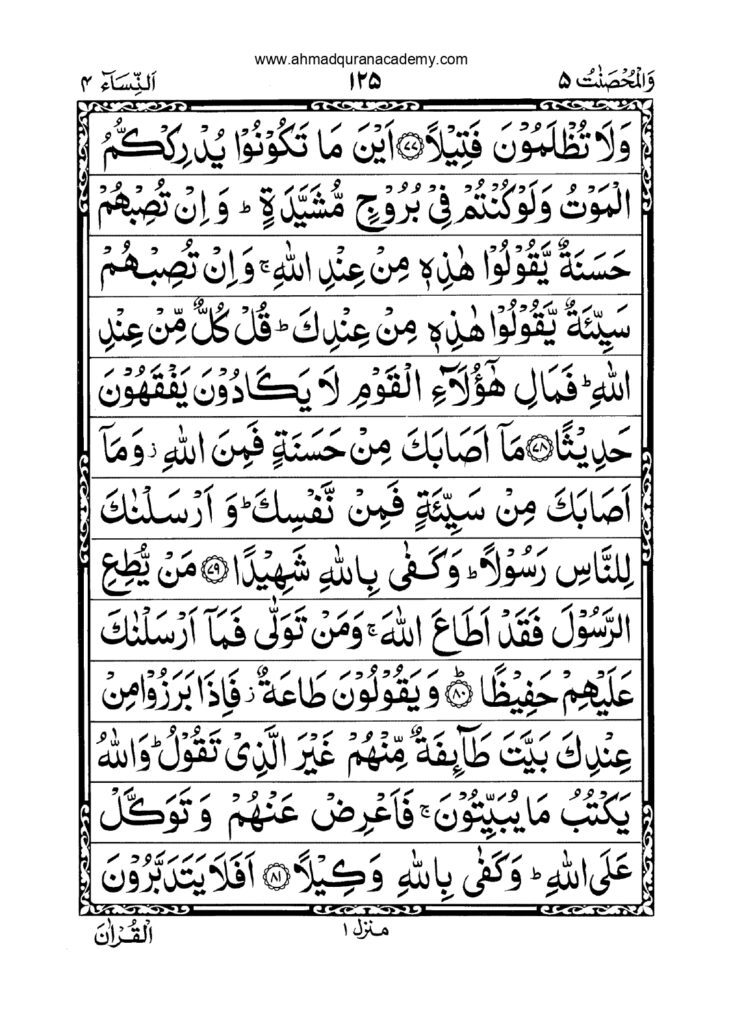
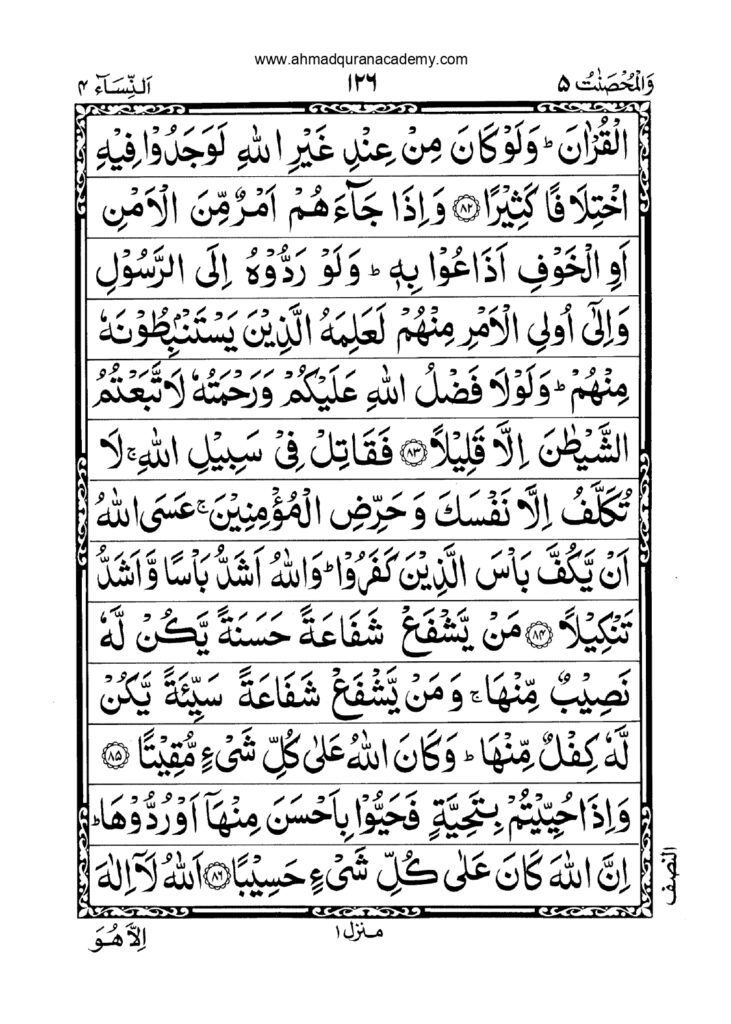
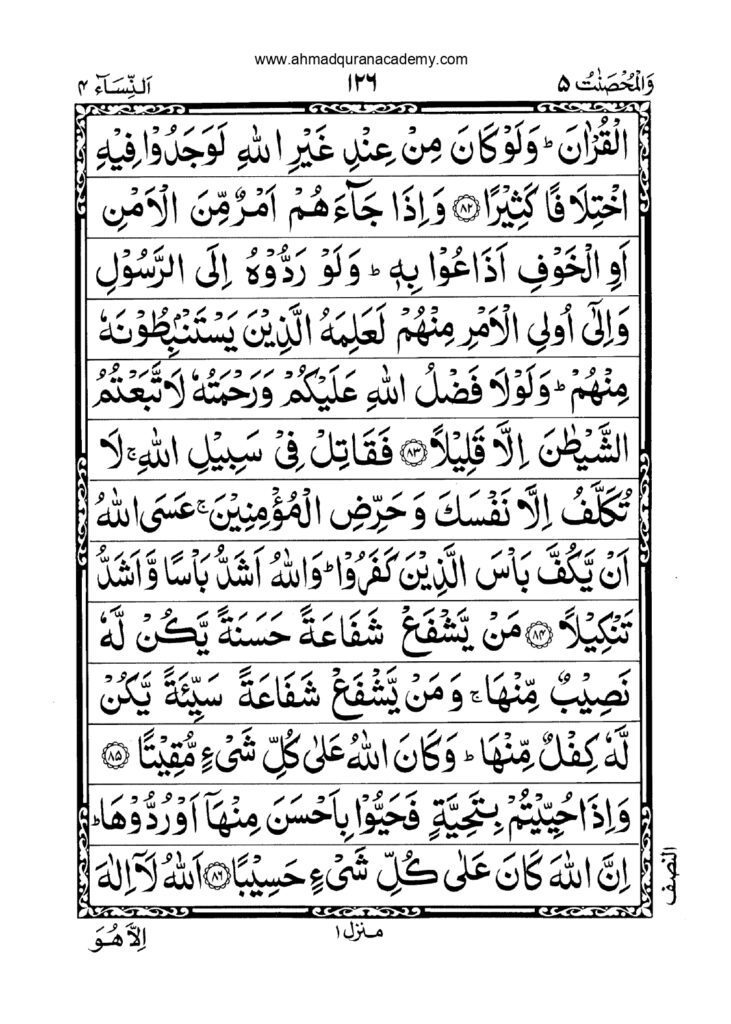
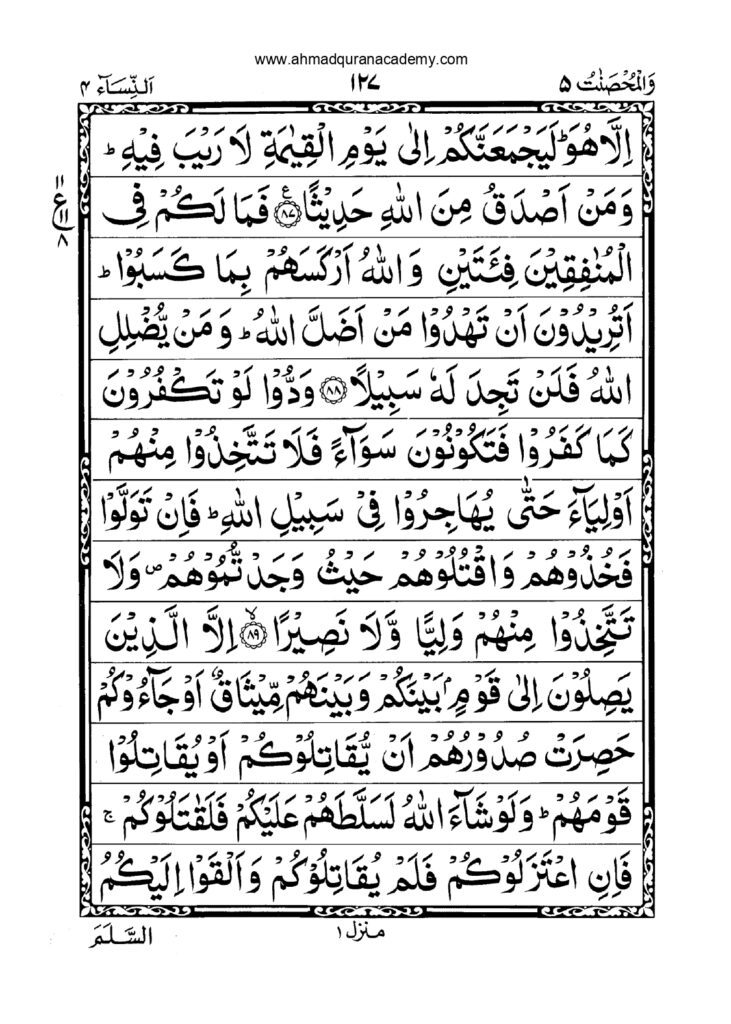
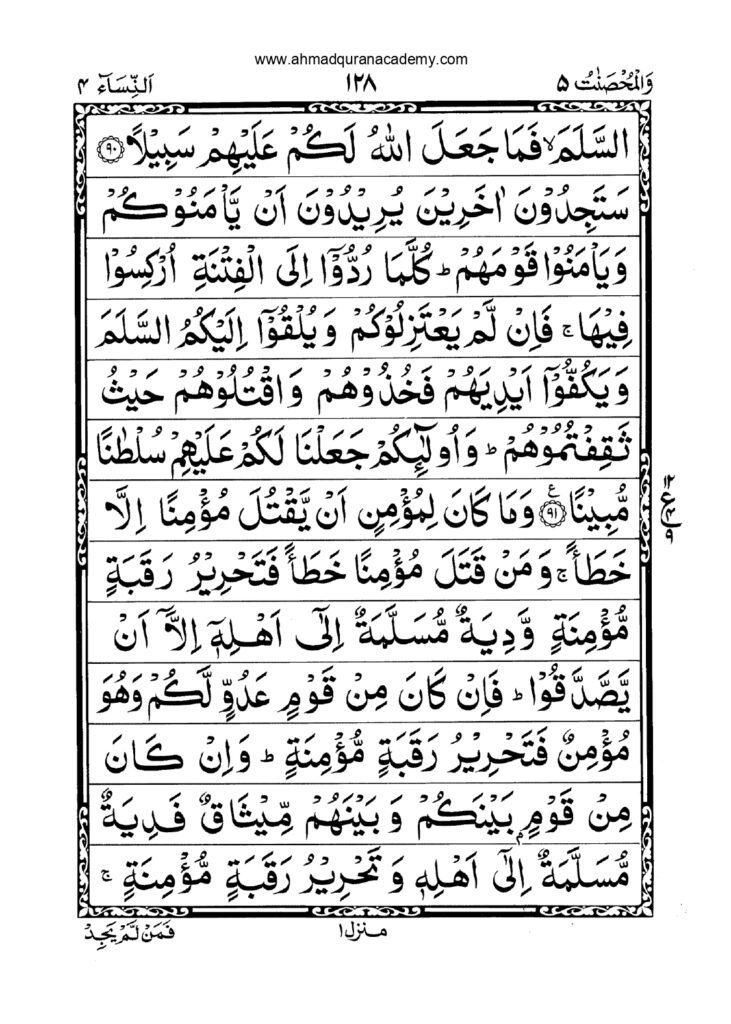
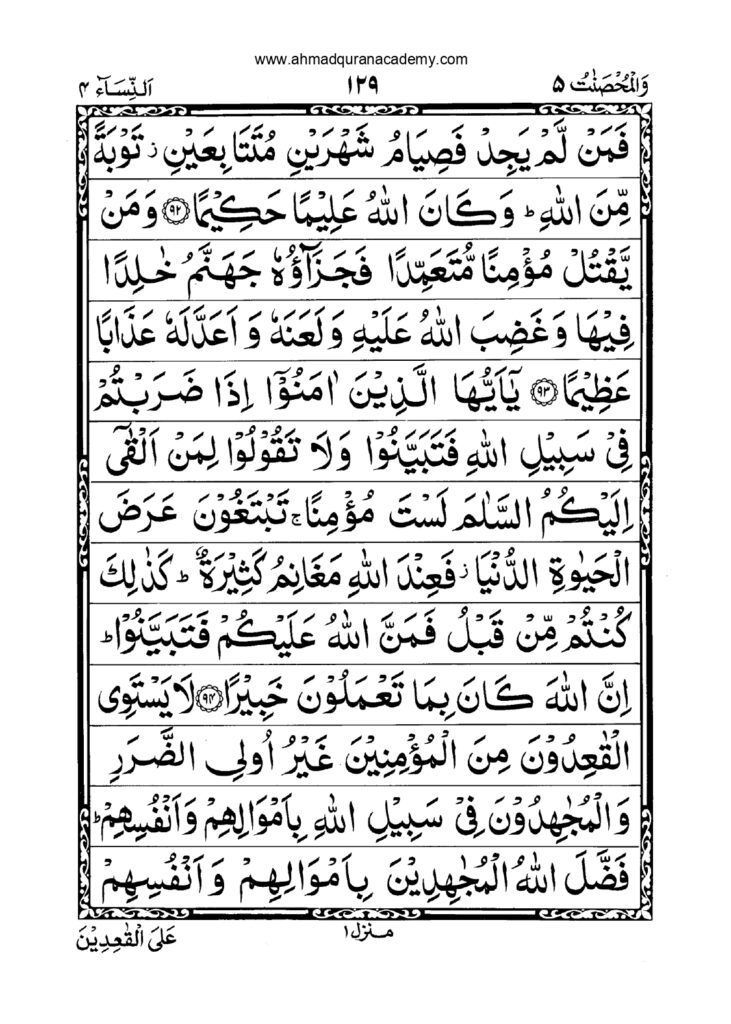
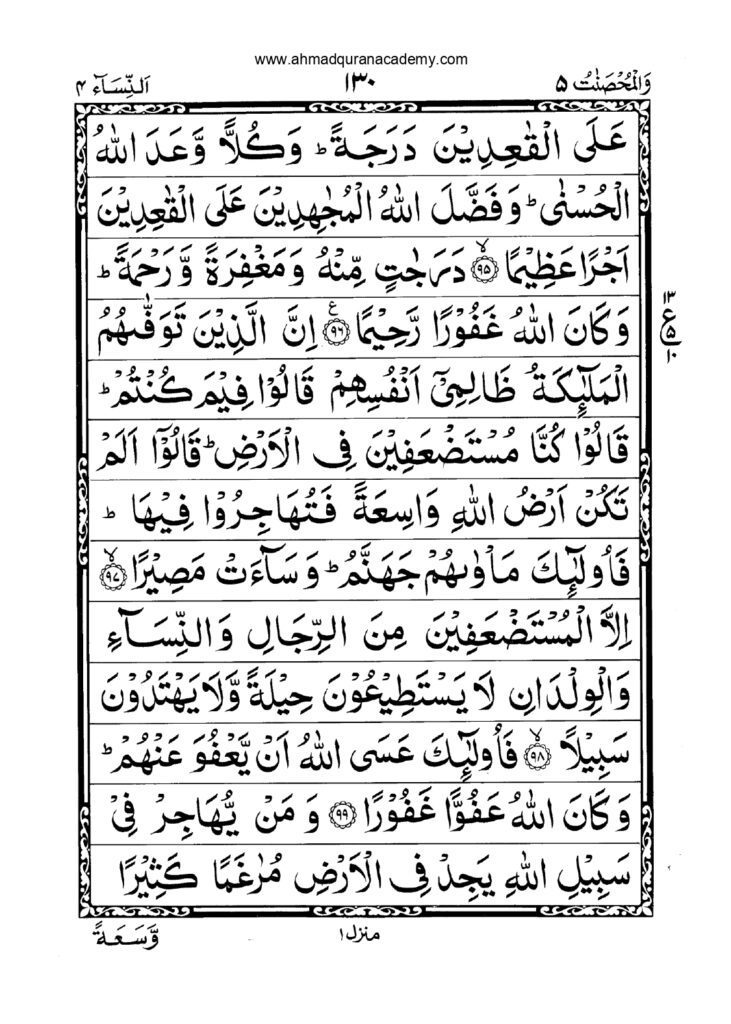
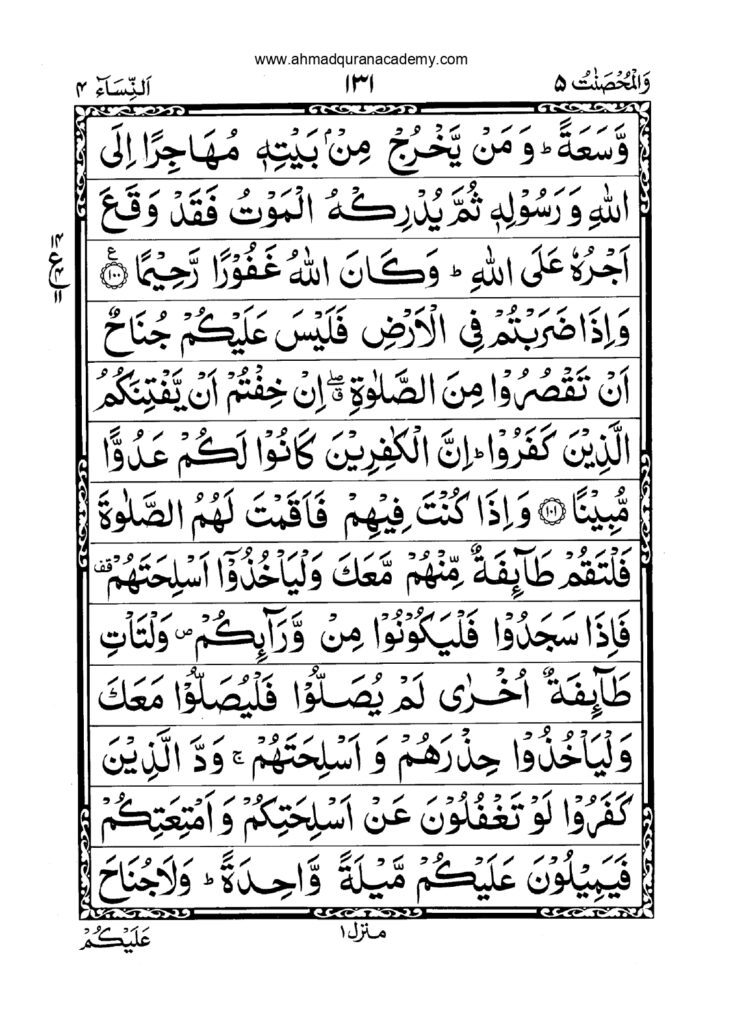
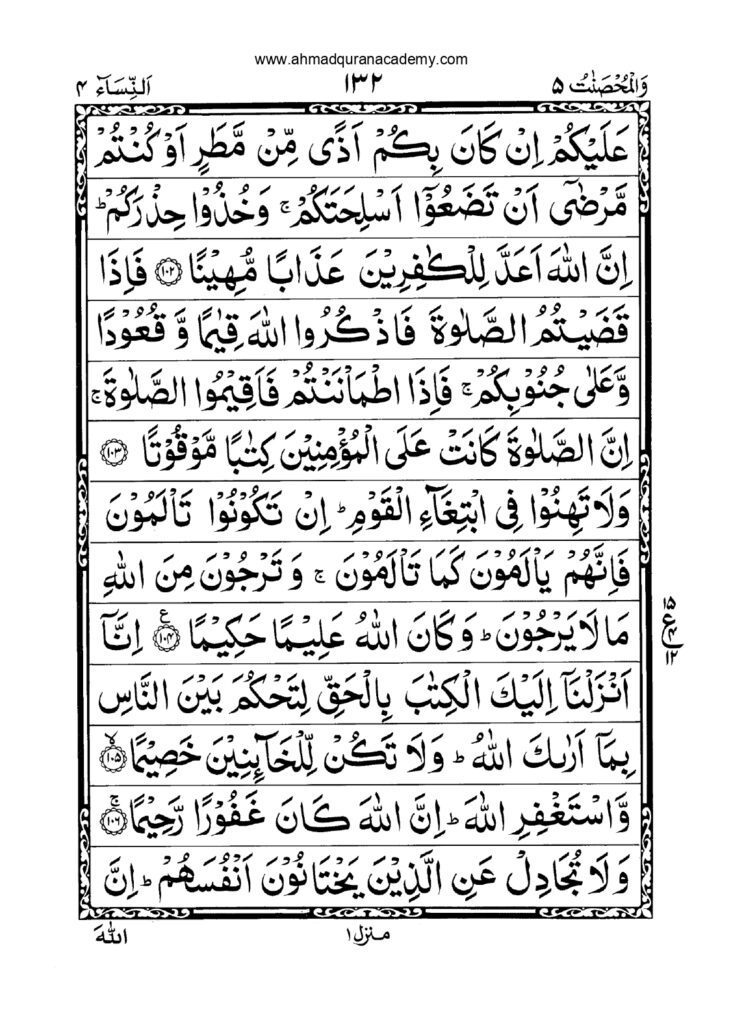
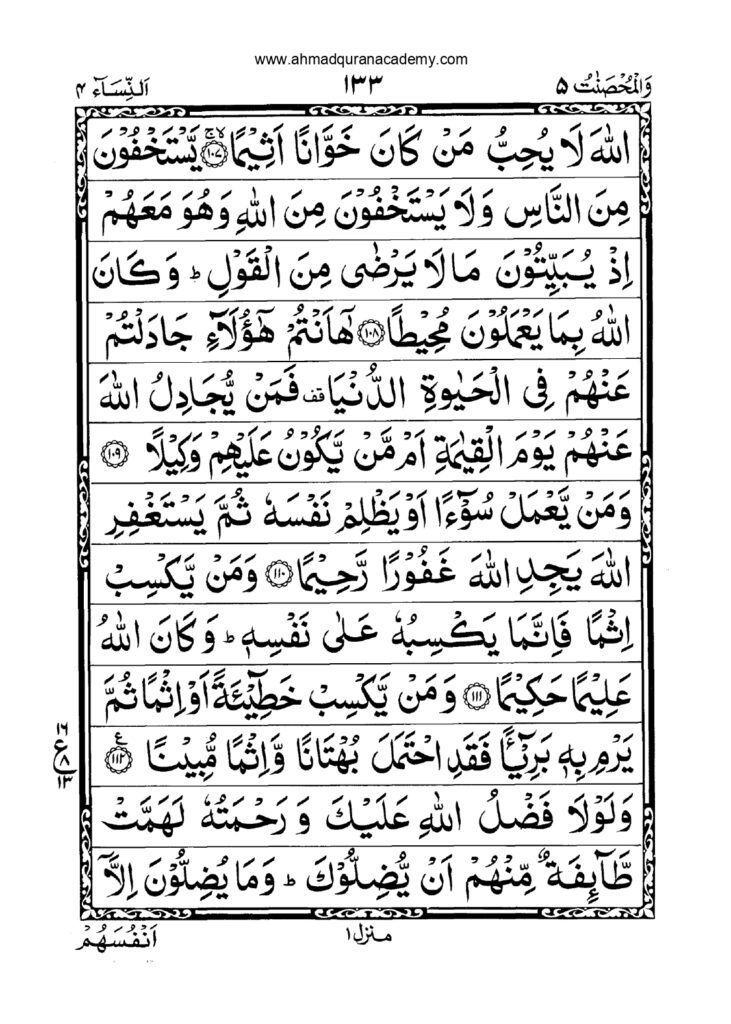
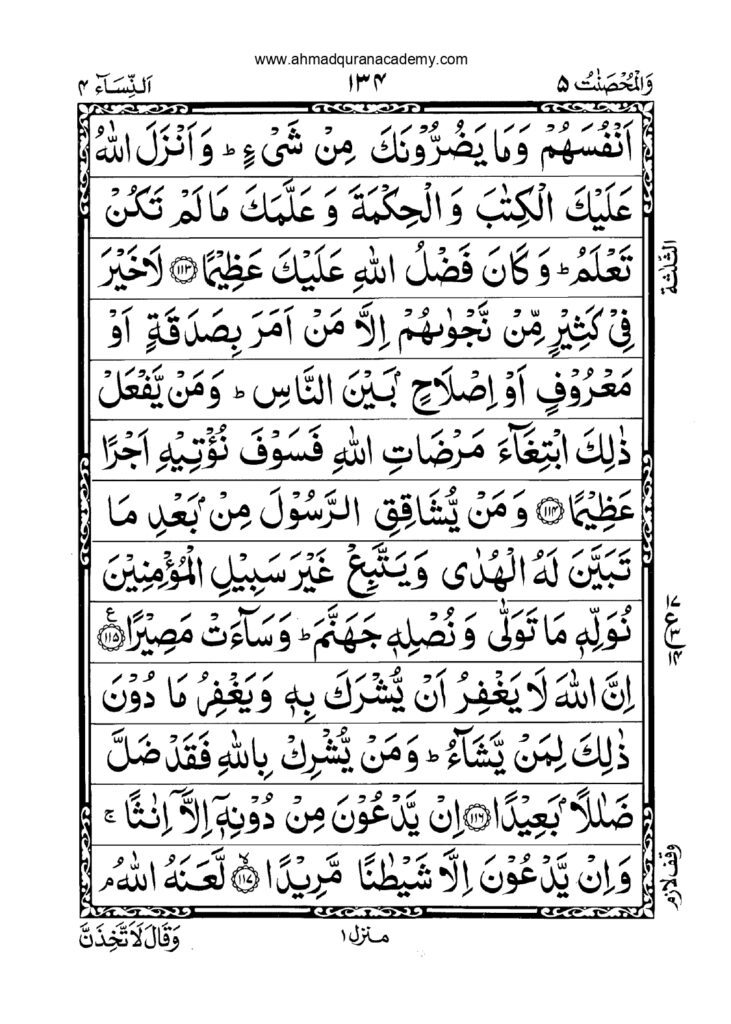
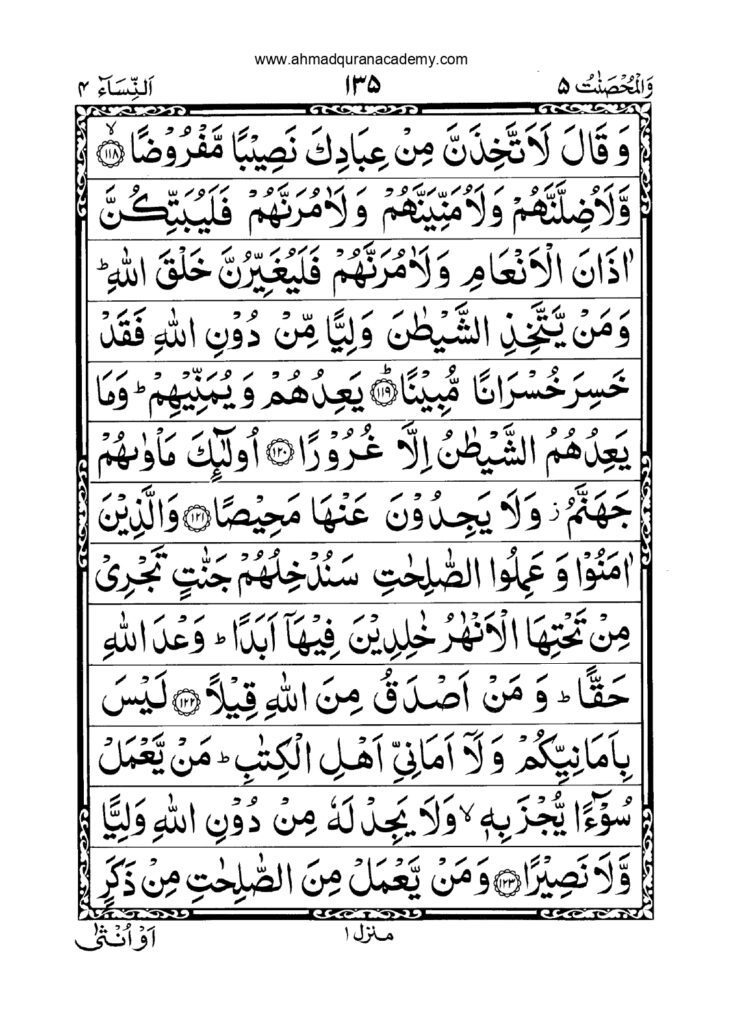
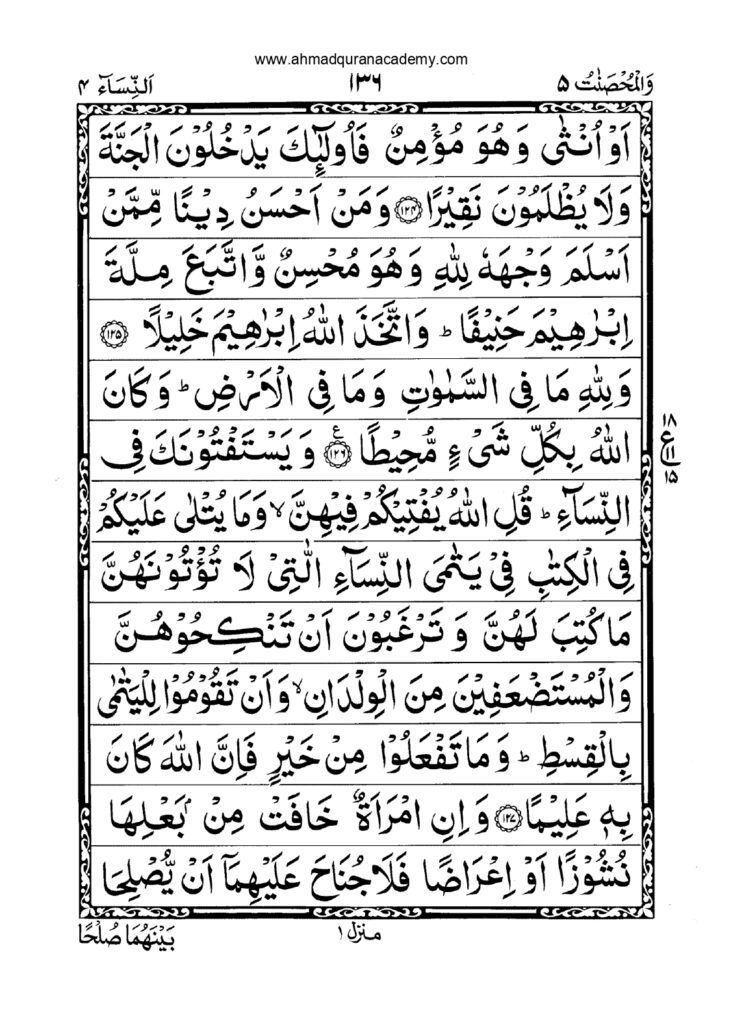
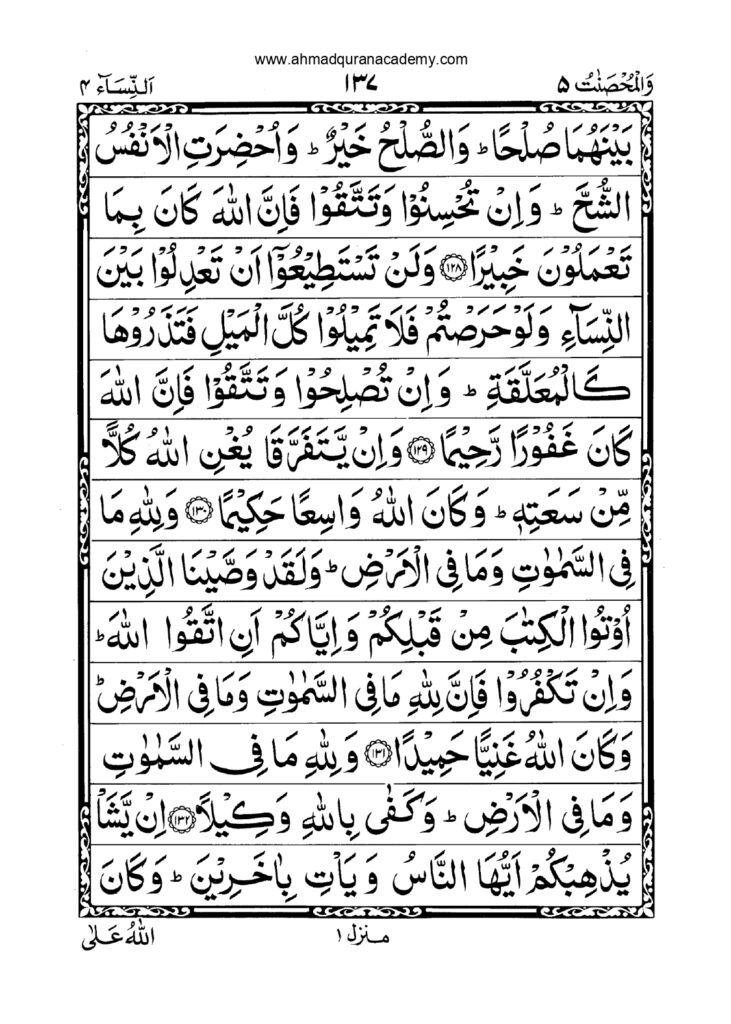
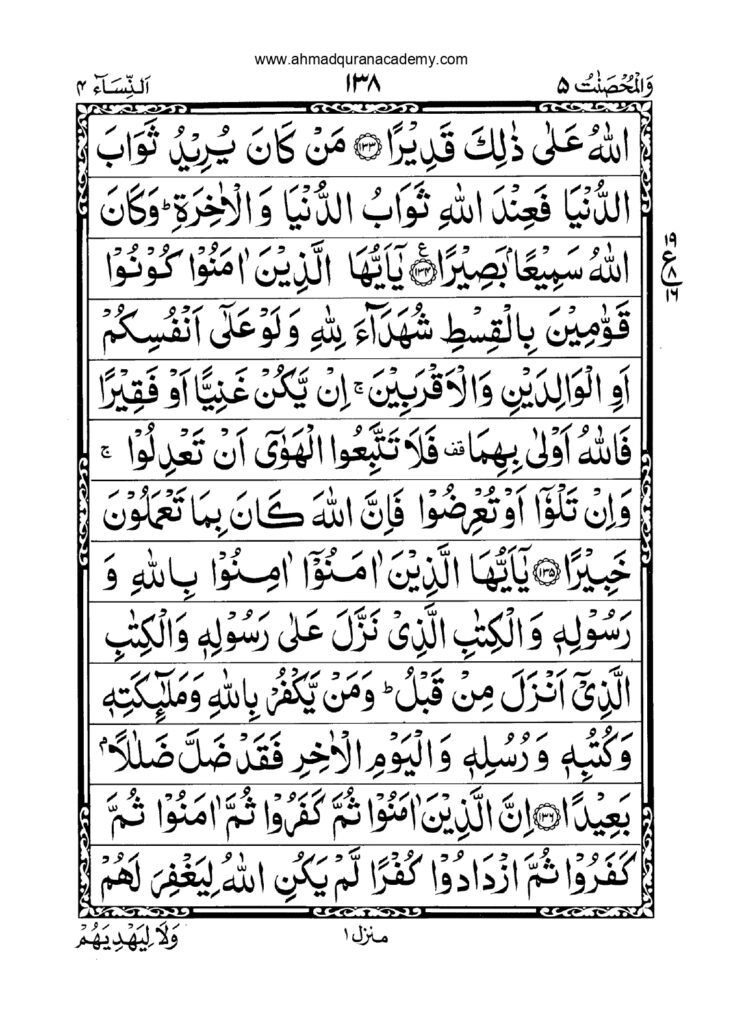
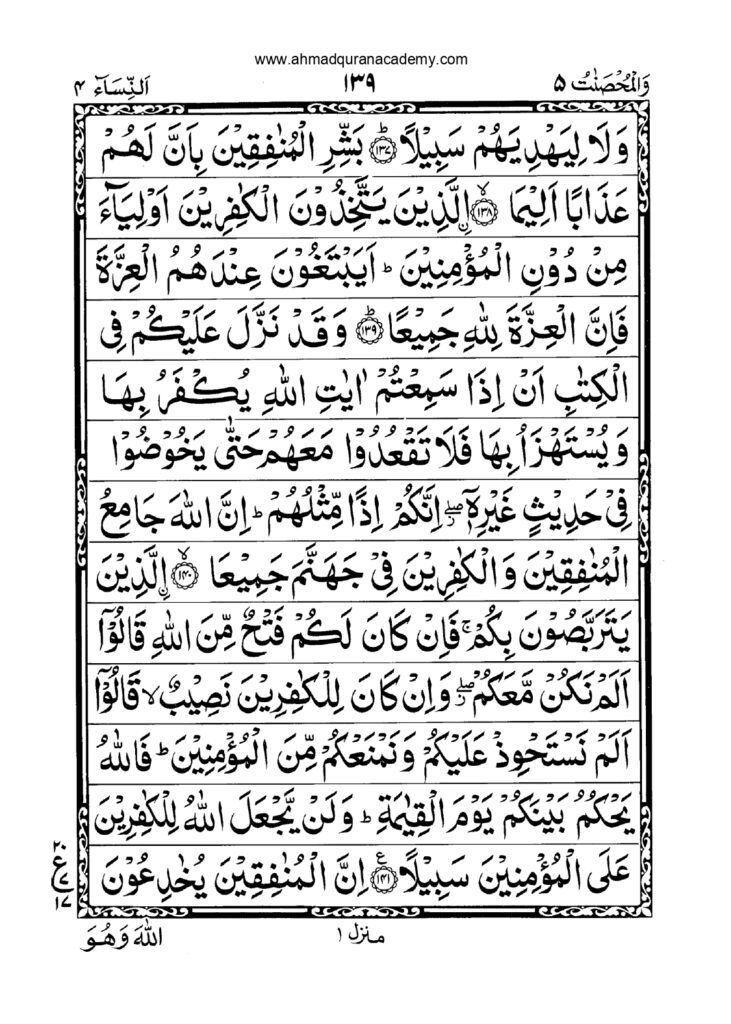
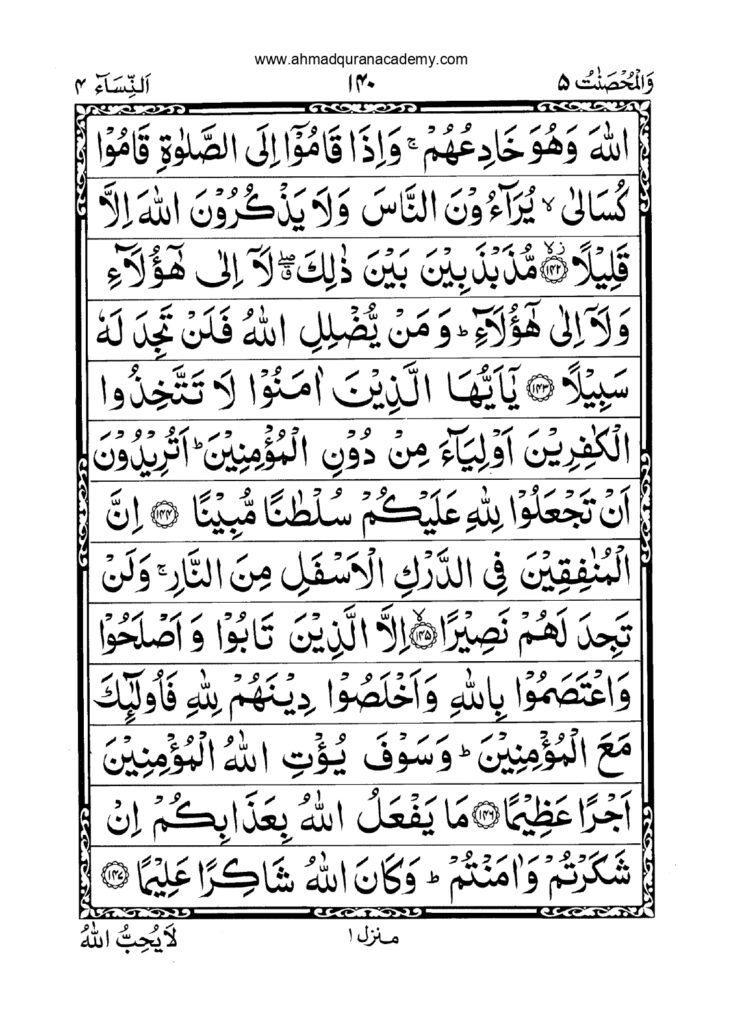
Quran Parah 5 PDF
Quran Parah 5 AUDIO
Quran Parah 5 TRANSLATION
Key Themes of Quran Para 5 – Wal Mohsanat
This Para centers around the foundations of justice, dignity, and moral responsibility within an Islamic society. It continues to build the framework for a strong, ethical, and spiritually guided community where rights are protected and obligations are clearly defined.
The Continuation of Surah An-Nisa’s Social Reforms
Para 5 extends the transformative reforms introduced in Surah An-Nisa, focusing on fairness for all members of society — especially women, orphans, and the oppressed. It reflects Islam’s commitment to establishing a balanced social structure rooted in compassion and accountability.
Rights and Responsibilities in Marital Relationships
Marriage is viewed not just as a contract, but as a sacred bond. This section outlines the importance of mutual respect, the rights of women to their dowry, and maintaining purity and commitment within marital life. It guides both spouses to fulfill their duties with sincerity and trust.
The Protection and Justice for Orphans and the Vulnerable
Orphans are given special attention in this Para, as they represent the most defenseless in society. The Quran commands fair treatment, financial integrity, and emotional care for orphans, reminding believers that safeguarding their rights is an act of worship.
Legal Rulings and Punishments in Islamic Society
This section introduces divine laws regarding unlawful sexual behavior, false accusations, and the procedures for punishment. It establishes that justice must be served with evidence and fairness, protecting both individuals and the community from corruption.
Rules of Inheritance and Property Distribution
Inheritance laws ensure that wealth is fairly distributed among heirs — including women and children, who were often deprived in pre-Islamic systems. This reflects the Quran’s emphasis on economic justice and the equal worth of all individuals.
Trust, Accountability, and Public Responsibility
Believers are reminded to fulfill their trusts — whether in leadership, wealth, or personal dealings. The Quran warns against betrayal and instructs that responsibility is a test of character. Public and private life both require honesty and justice.
The Importance of Moral Conduct and Purity
Moral behavior is the foundation of a healthy society. This section encourages modesty, purity, and inner discipline, especially in private relationships. It also condemns public slander and gossip, urging the community to uphold high ethical standards.
Upholding Justice in All Matters
Justice is a divine principle that must not be compromised — even when it goes against personal interests or loved ones. The Quran commands believers to stand firmly for what is right, reflecting true faith and integrity.
Guidance for Conflict Resolution and Peace
When disputes arise within the Muslim community, believers are guided to seek peaceful resolution. Unity, forgiveness, and mutual understanding are essential to maintaining the harmony of the Ummah.
Role of Believers in Building a Just Society
This Para concludes by calling every believer to take an active role in promoting justice, compassion, and truth. It’s not just about following rules — it’s about transforming society through righteousness and divine obedience.
FAQs
What is the main theme of Quran Parah 5 (Wal Mohsanat) in the Quran?
The main theme of Para 5 is justice, especially in family matters like marriage, inheritance, and social responsibility. It emphasizes the rights of women, orphans, and the importance of moral conduct in Islamic society.
Which Surah continues in Quran Parah 5 of the Quran?
Para 5 continues with Surah An-Nisa (The Women), which focuses on laws regarding women’s rights, justice, and the structure of a just Islamic society.
What are the marriage-related rulings discussed in Quran Parah 5?
This Para provides detailed guidance on who is lawful to marry, the importance of mahr (dowry), and respectful treatment of spouses. It also explains the boundaries of permissible relationships and prohibits unlawful ones.
What rights are given to orphans in Quran Parah 5?
Orphans are to be protected, given their due share in inheritance, and treated with kindness and justice. Misusing their property is strictly forbidden in Islam.
Does Quran Parah 5 talk about criminal justice?
Yes, it discusses punishments for crimes like adultery and false accusations, with a focus on fair evidence and protecting individuals from unjust harm.
What guidance does this Para give about inheritance?
It highlights the importance of fairly distributing inheritance among all eligible heirs — including women and children — in accordance with divine commands.
How does the Quran promote justice in Parah 5?
The Quran commands believers to be just in all situations — even if it means going against their own family. Justice is described as a core value of faith.
What is the message about public trust and leadership in this Para?
Leaders and individuals are reminded to fulfill their responsibilities honestly. Trust is seen as a serious commitment that must be handled with integrity.
Why is modesty and moral conduct emphasized in this Para?
Because a moral society begins with individual purity. The Quran discourages indecent behavior, false rumors, and promotes modesty and truthfulness.
What is the overall message for the Muslim community in Quran Para 5?
Para 5 calls on Muslims to live by the values of fairness, integrity, and compassion. It encourages building a strong, just, and morally upright society guided by Allah’s commands.
Conclusion
Quran Para 5 – Wal Mohsanat – is a profound continuation of divine guidance aimed at shaping a morally upright, socially responsible, and spiritually awakened society. It reinforces the foundations of justice, equality, and compassion, especially within the realms of family, inheritance, and public dealings. By addressing sensitive issues like marriage, orphans’ rights, and criminal justice, this Para sets the stage for an ideal community rooted in fairness and piety.
The verses emphasize that Islam is not merely a belief system but a complete way of life — where every action is accountable and every relationship sacred. It teaches that trust, dignity, and justice are not optional but obligatory for every believer.
As we reflect upon the teachings of this Para, we are reminded that following Allah’s commands is the key to personal peace and societal harmony. Let us strive to embody these divine values in our daily lives, ensuring that our character, homes, and communities are a reflection of the Quran’s timeless light.
Post a comment
Related Posts
February 28, 2026
Quran para 9 with Translation, Tafsir, Audio & PDF
Quran Para 9 (Wa Qaalal Mala) begins from Surah Al-A‘raf (7:88) and continues into Surah…
February 27, 2026
Quran para 8 with Audio, Video & PDF
Quran Para 8 jise “وَلَوْ أَنَّنَا” ke naam se jaana jata hai, Quran-e-Kareem ka aathwaan…
February 26, 2026
Quran para 7 with Translation, Tafsir, Audio & PDF
Quran Para 7 of the Quran, “Wa Iza Sami’u,” contains deep spiritual insights related to…
February 24, 2026
Quran para 6 with Translation, Tafsir, Audio & PDF
Quran para 6 ka 6th Parah “لایحب اللہ” Surah An-Nisa ke aakhri hisay (ayat 148–176)…