Colors
 Support


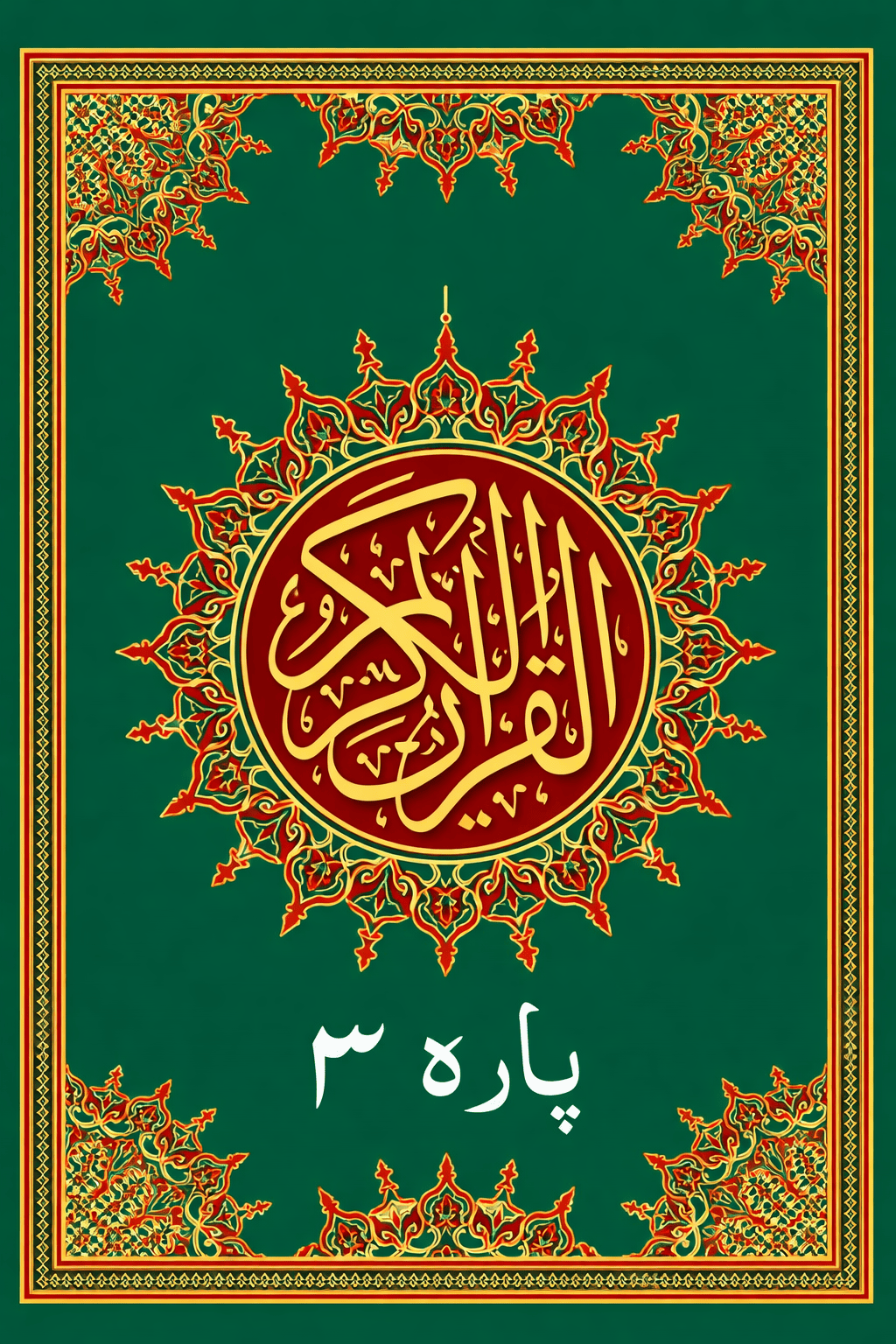
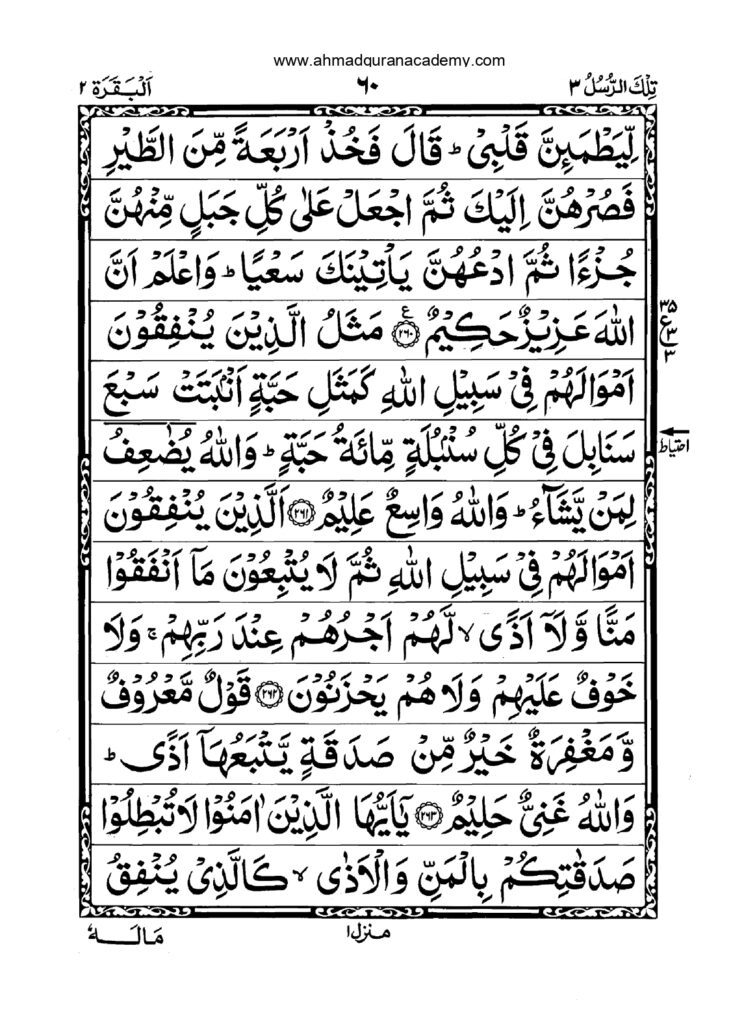
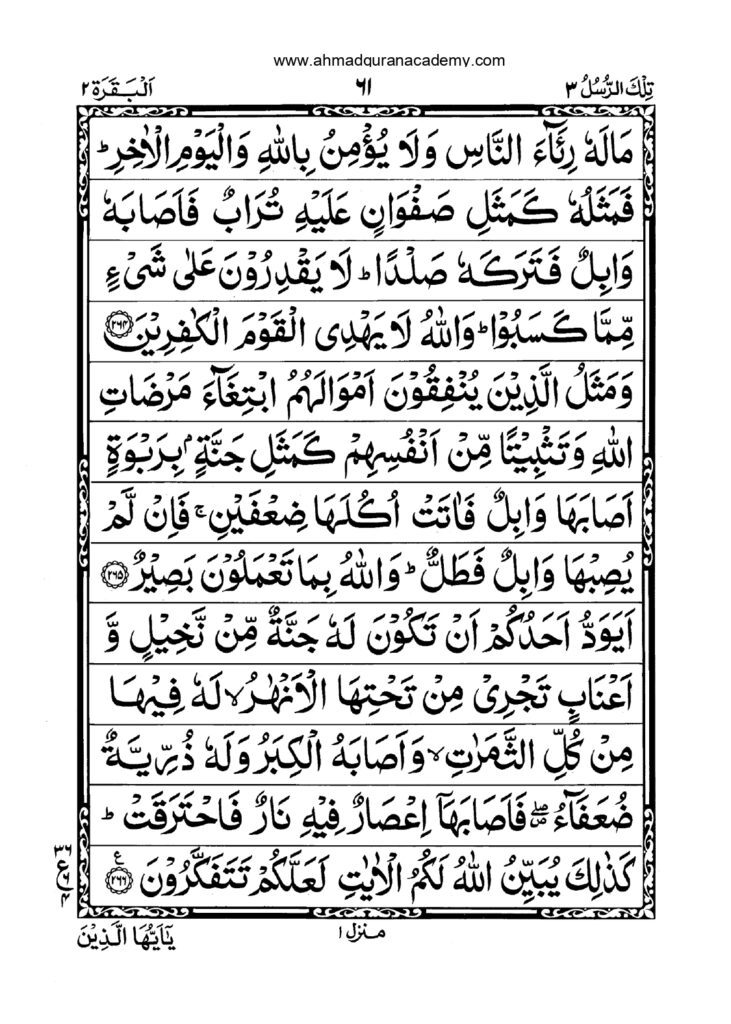
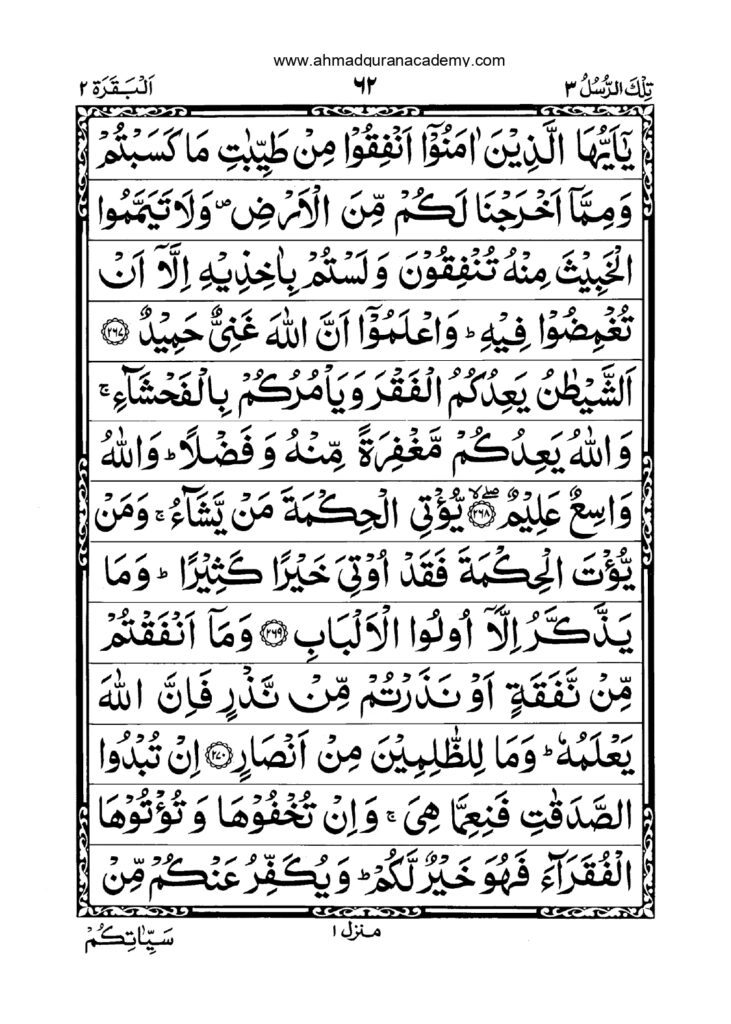
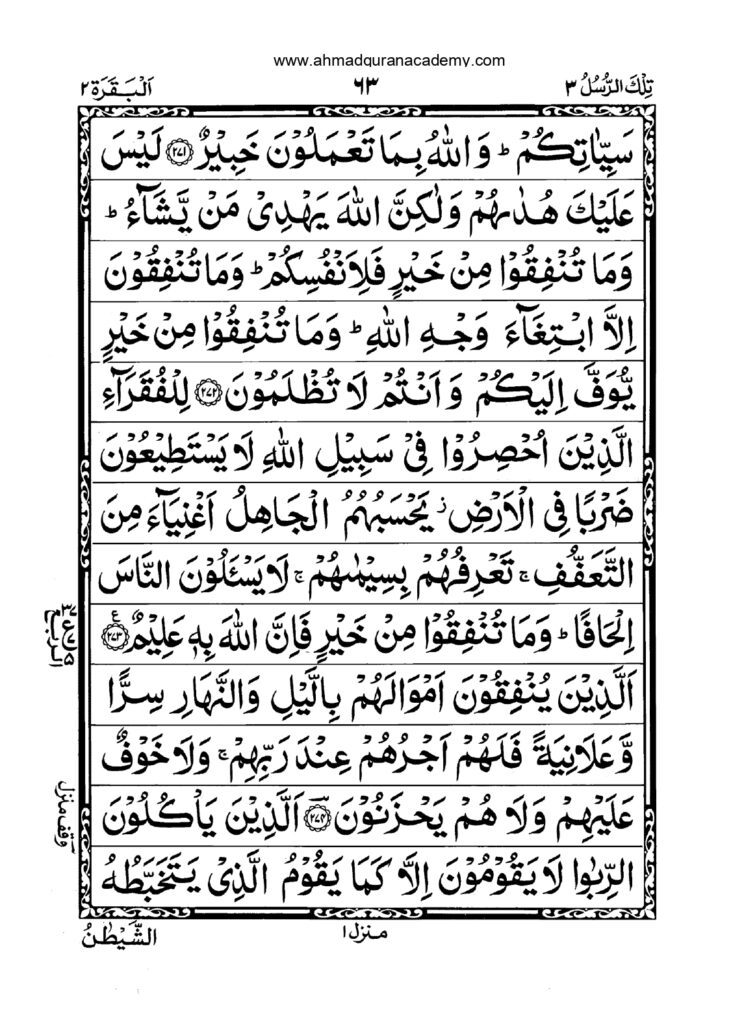
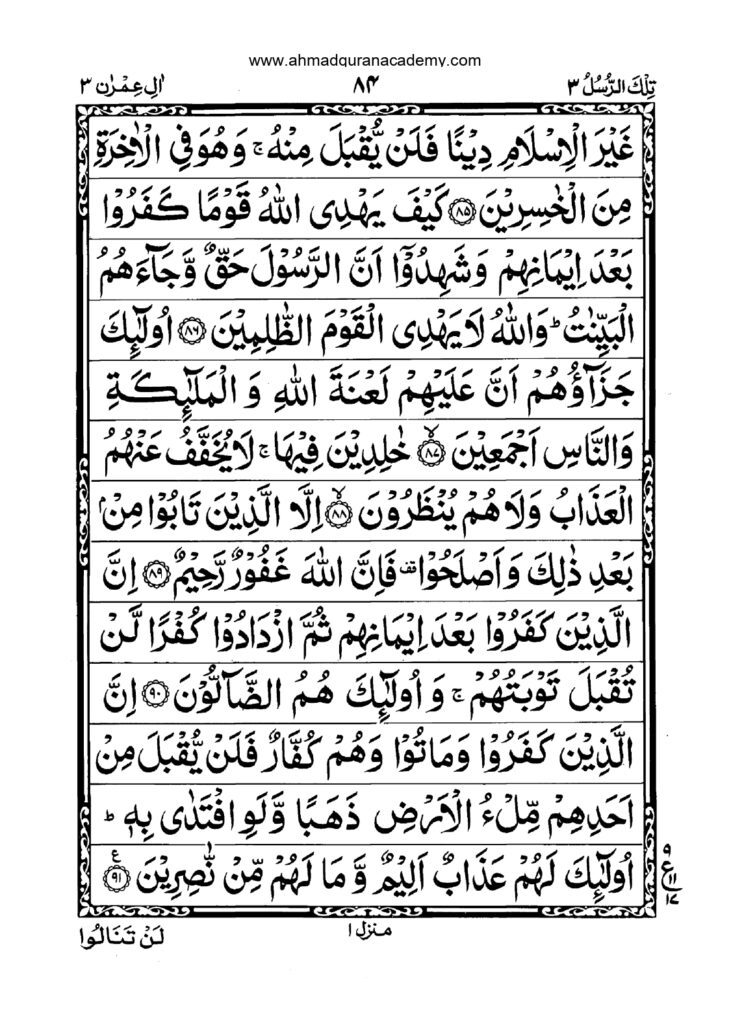
Quran Para 3, titled “Tilkal Rusul”, is a spiritually rich and thought-provoking section of the Holy Quran. It completes Surah Al-Baqarah and begins Surah Aal-e-Imran, continuing the themes of guidance, faith, and the responsibilities of believers. The Para starts with the verse “Tilkal Rusul…” meaning “Those messengers…”, referring to the noble Prophets whom Allah sent for the guidance of humanity.
Quran Para 3 highlights the importance of divine leadership, sacrifice, justice, and unity. It teaches us that true success lies in following the path of righteousness and maintaining strong faith in all circumstances. The final verses of Surah Al-Baqarah serve as a source of comfort and motivation, especially the verse:
“Allah does not burden a soul beyond what it can bear.”
As the Para transitions into Surah Aal-e-Imran, it focuses on topics such as faith, steadfastness, and the dangers of hypocrisy. It also includes the powerful and inspiring stories of Maryam (A.S.) and the miraculous birth of Isa (A.S.), reminding the Ummah of the strength found in patience, prayer, and unity.
Quran Para 3 is a beacon of light for believers, filled with wisdom, divine commands, and valuable lessons that aim to strengthen the connection between the servant and the Creator.
Quran Para 3, titled “Tilkal Rusul”, is a spiritual masterpiece that brings forward the stories, struggles, and ranks of the noble Prophets (Rusul) sent by Allah. The Para begins with the concluding verses of Surah Al-Baqarah, where Allah assures believers that He never burdens a soul more than it can bear. These verses instill hope, reminding every believer that no trial is meaningless, and every hardship comes with divine wisdom. The heart-touching supplications in these verses are among the most beloved in the entire Quran, often recited in prayer and moments of difficulty. As the Para transitions into Surah Aal-e-Imran, the message shifts toward the power of faith, steadfastness in Islam, and the importance of unity among Muslims. The story of Maryam (Mary) and the miraculous birth of Isa (Jesus, A.S.) is shared with honor and reverence, showing the miraculous nature of Allah’s will. The Para warns against hypocrisy, division, and blind following of desires — guiding Muslims toward a life of balance, justice, and submission to the One true God. “Tilkal Rusul” emphasizes that the path of the Prophets was never easy, yet they stood firm with unwavering trust in Allah. Through their stories, believers today are reminded to walk with patience, humility, and strong faith — no matter the challenges of the world.
We already uploaded Quran Para 1 & Quran Para 2 For Reading click on Quran Para 1 & Quran Para 2
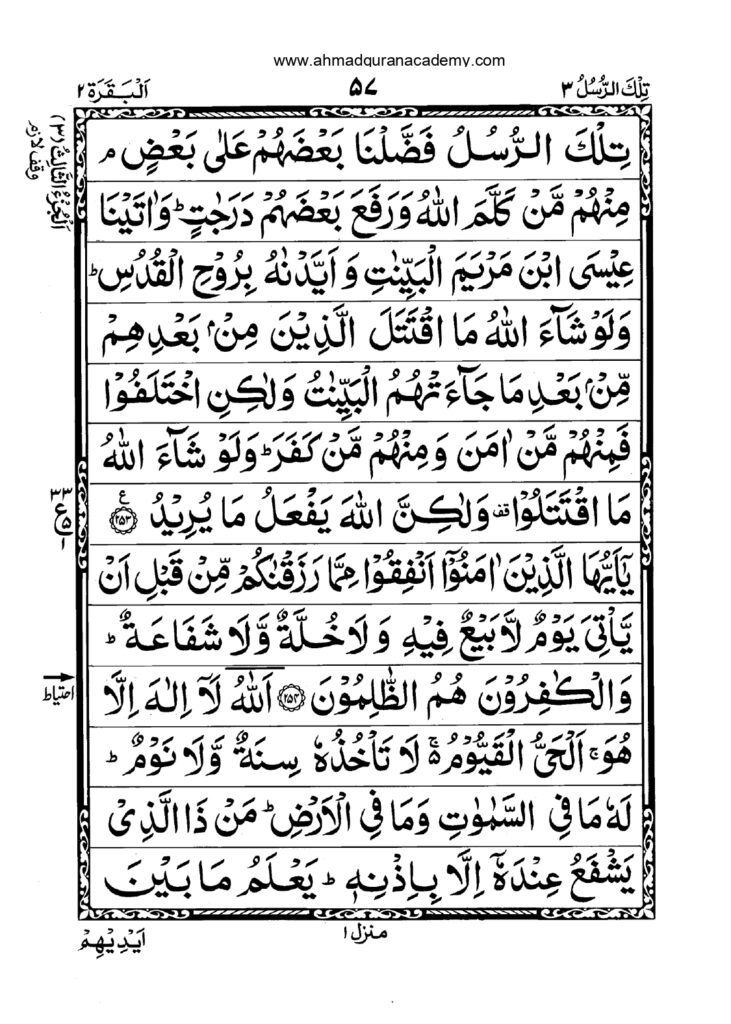
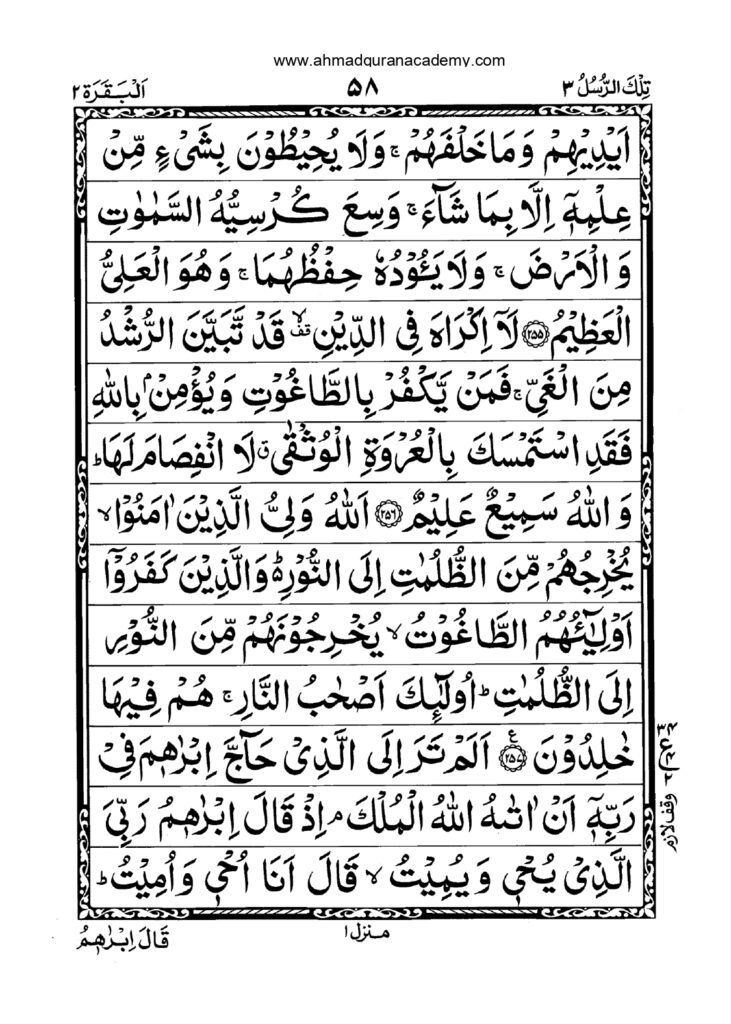
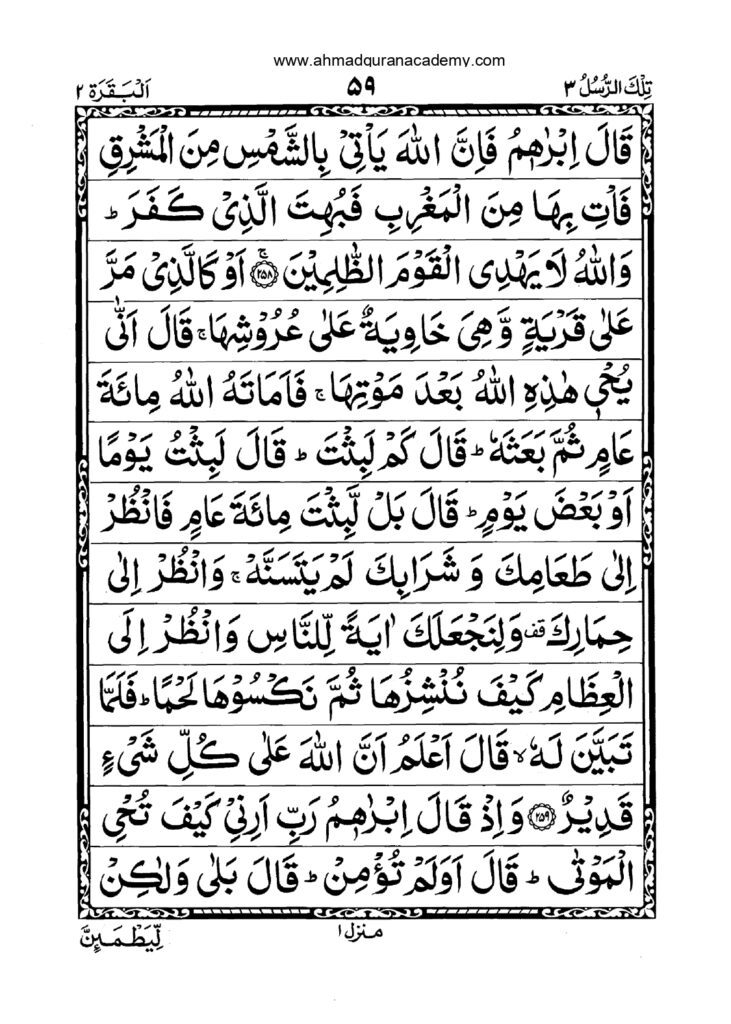
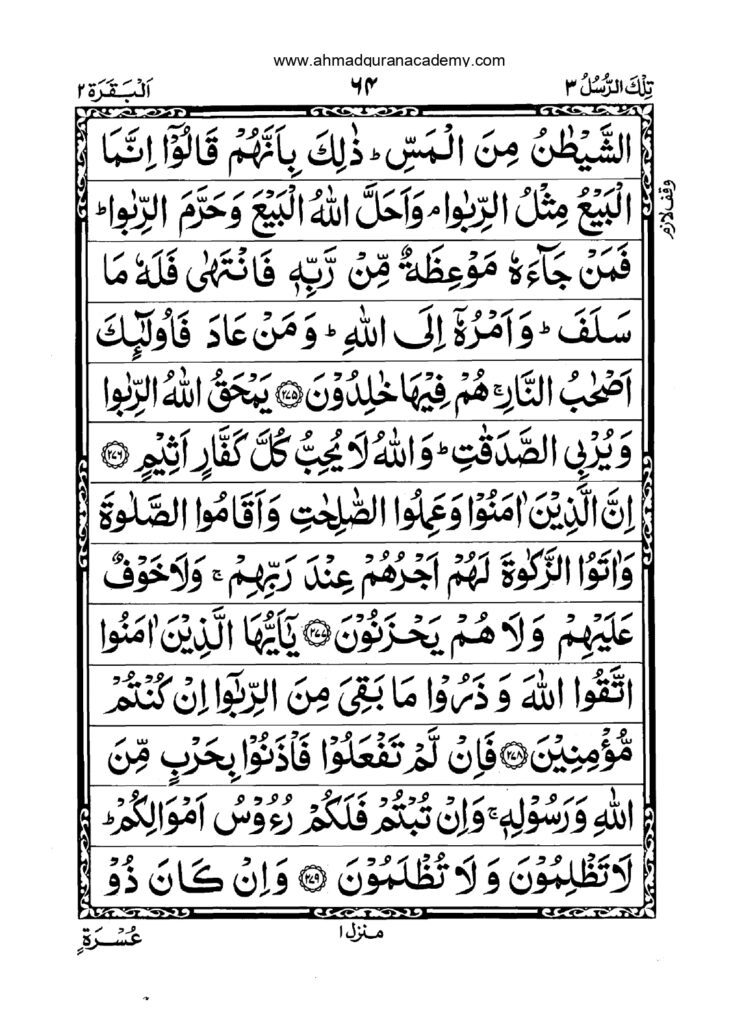
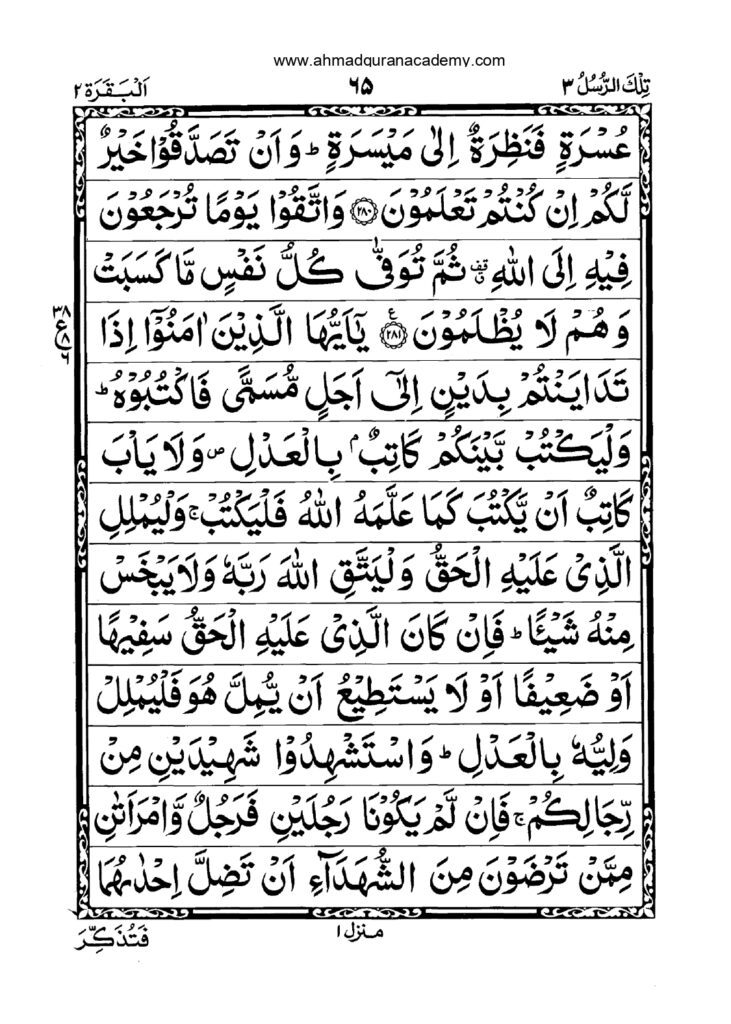
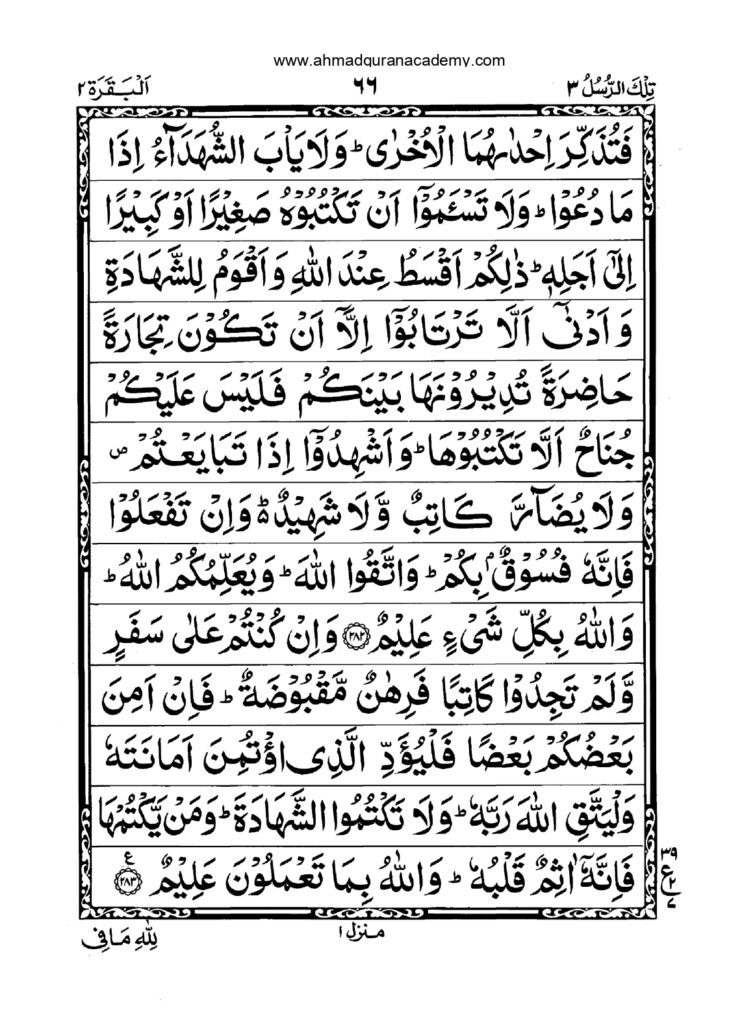
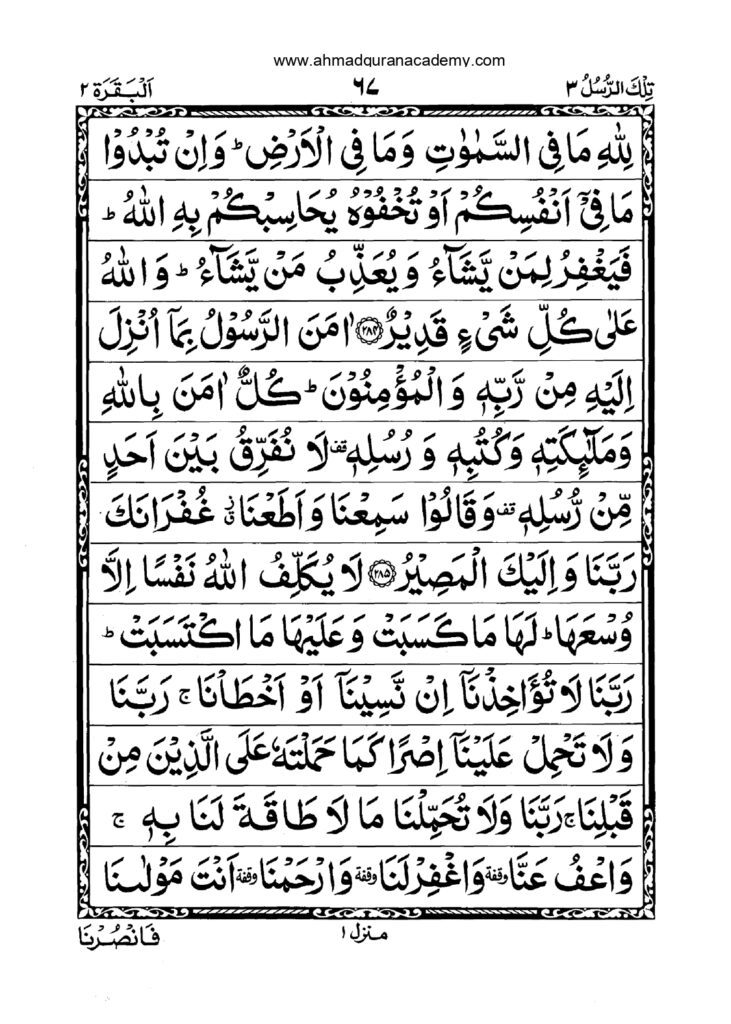
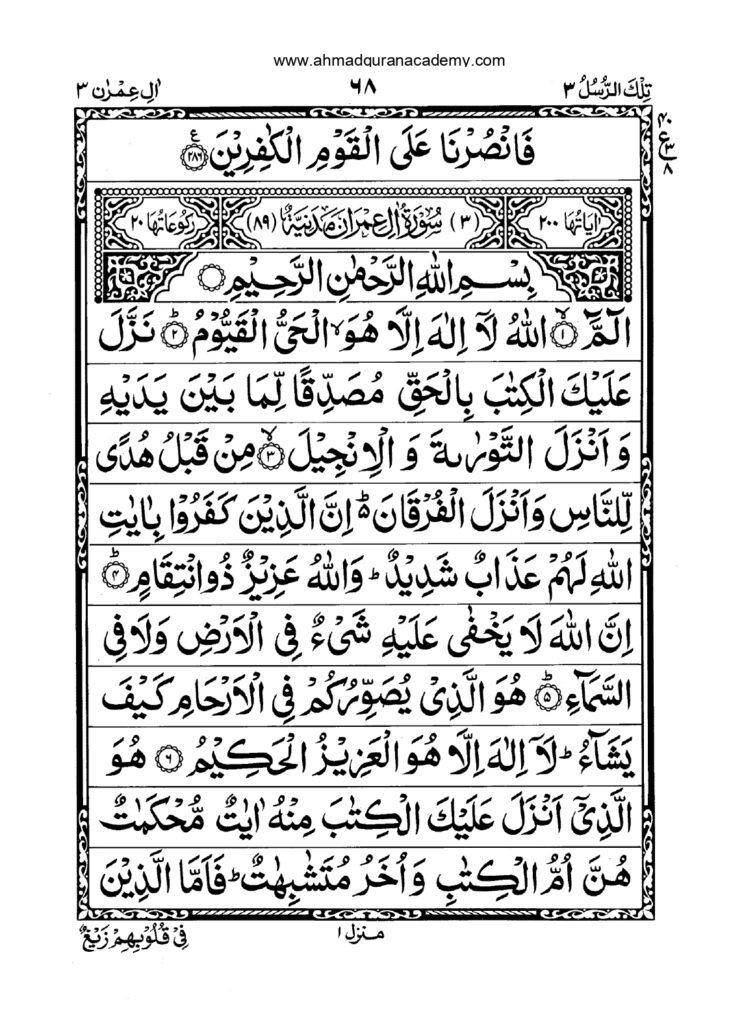
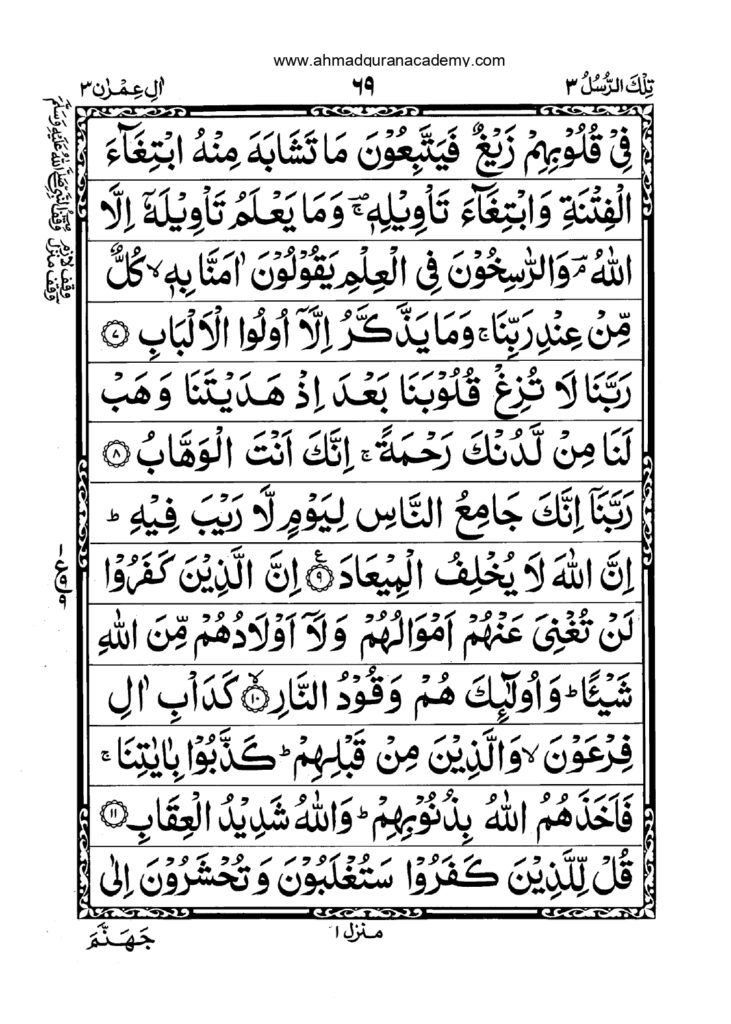
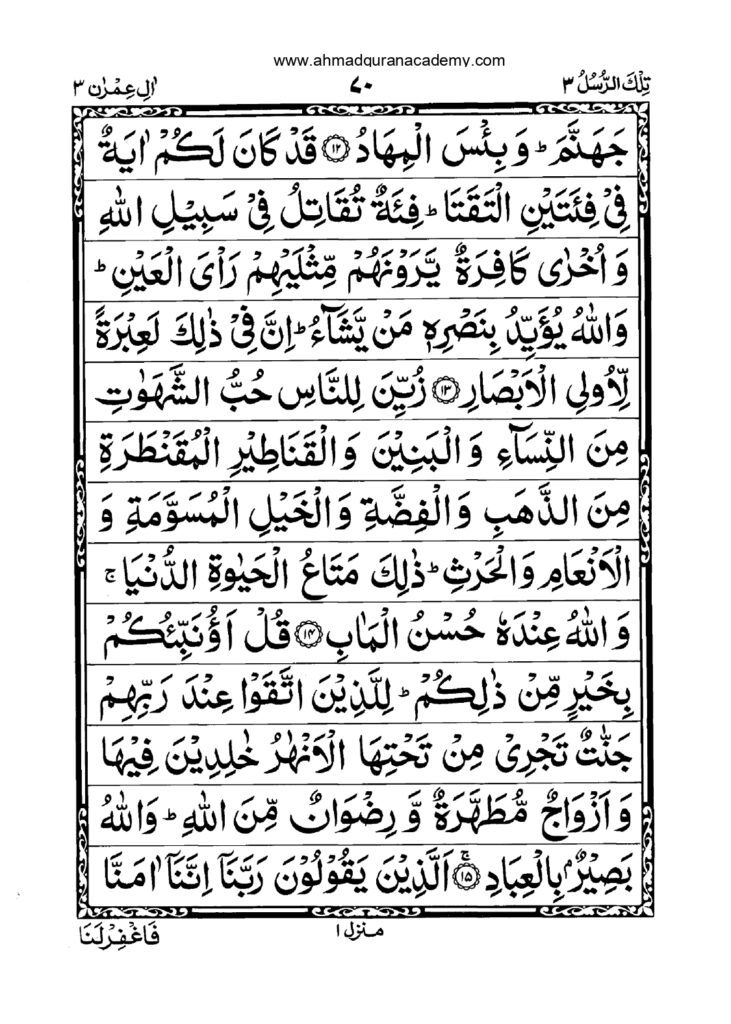
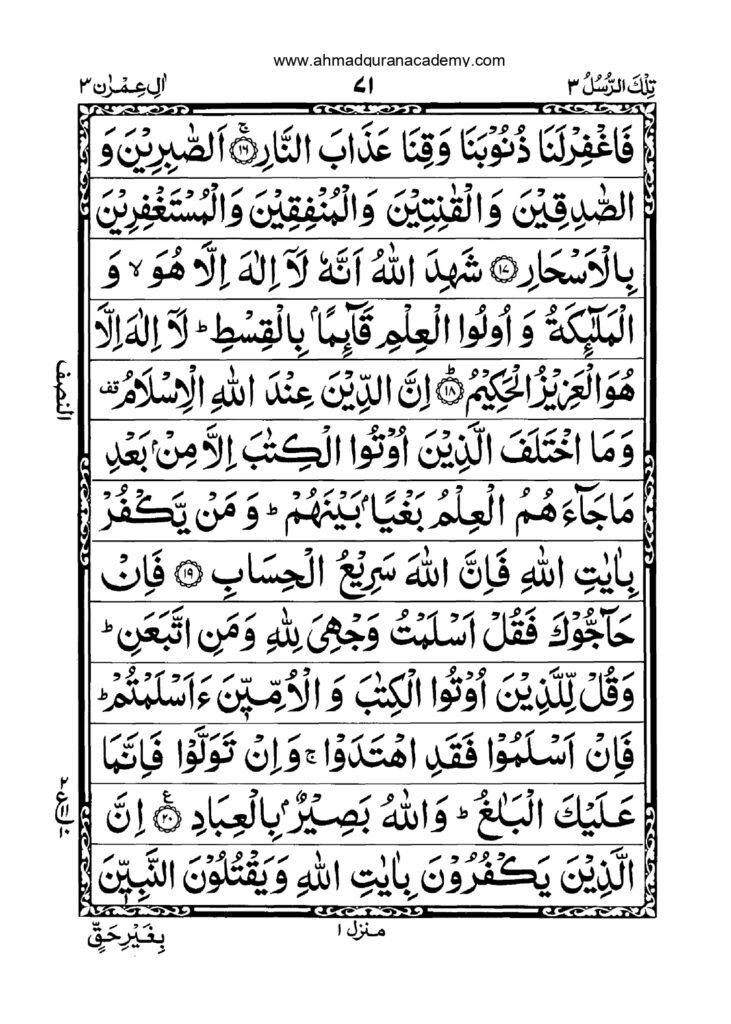
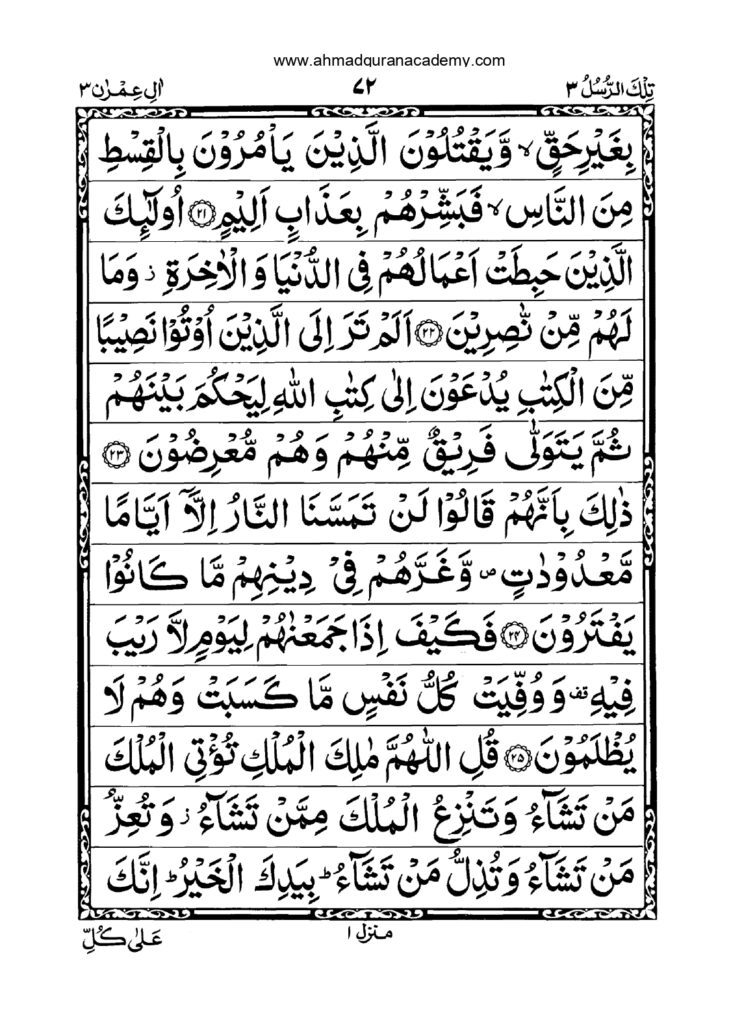
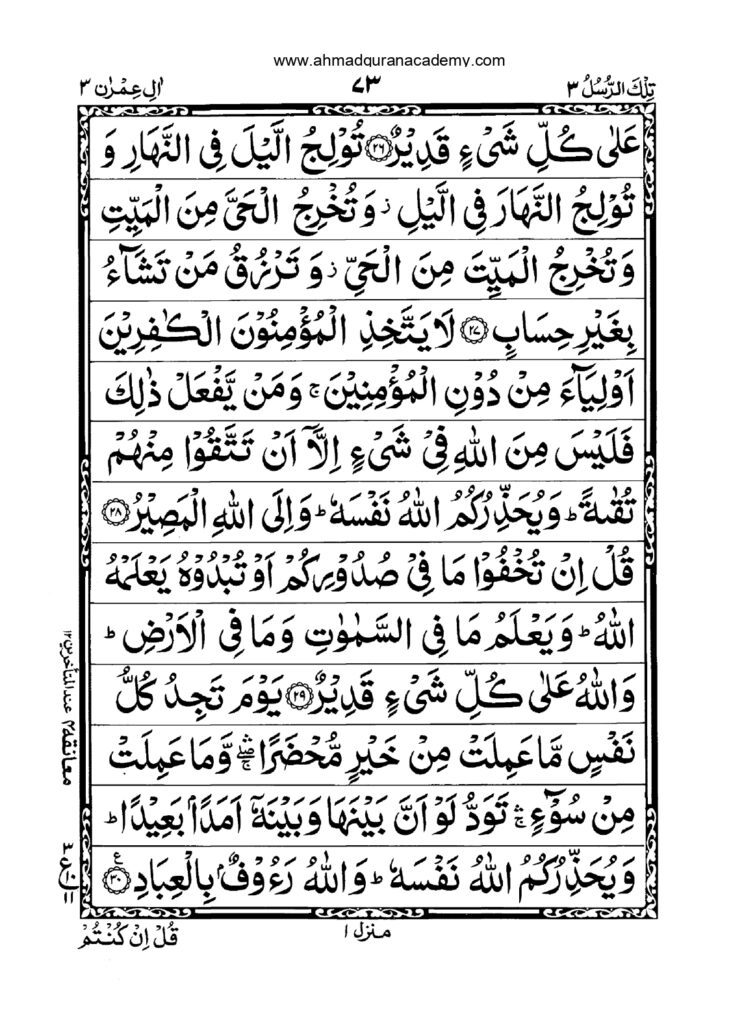
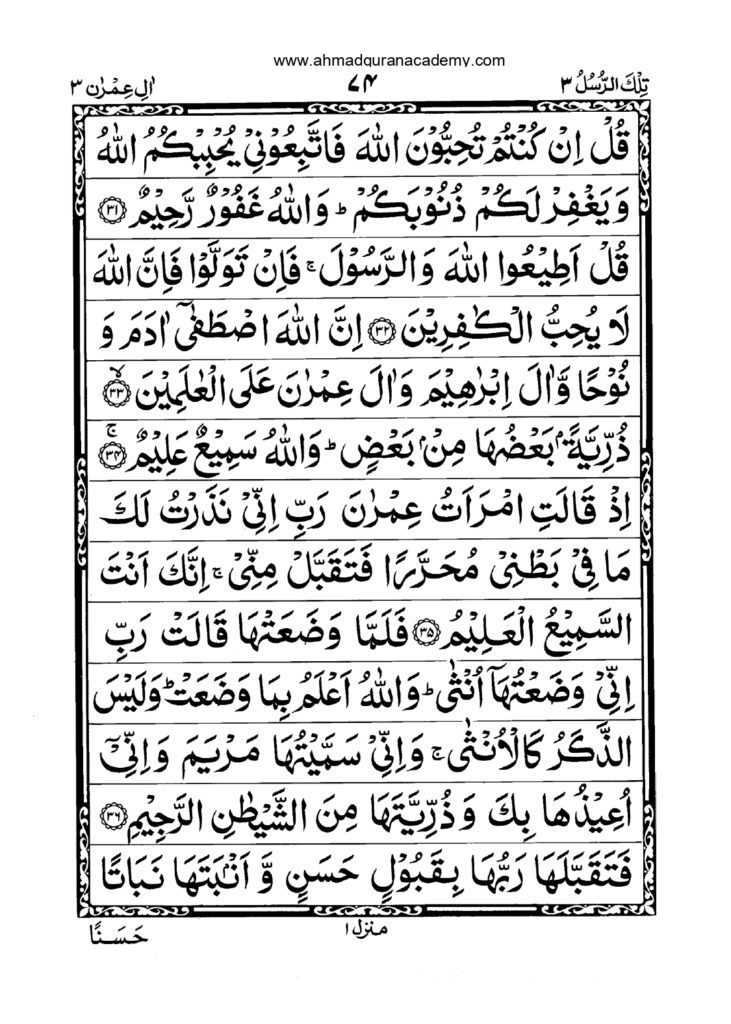
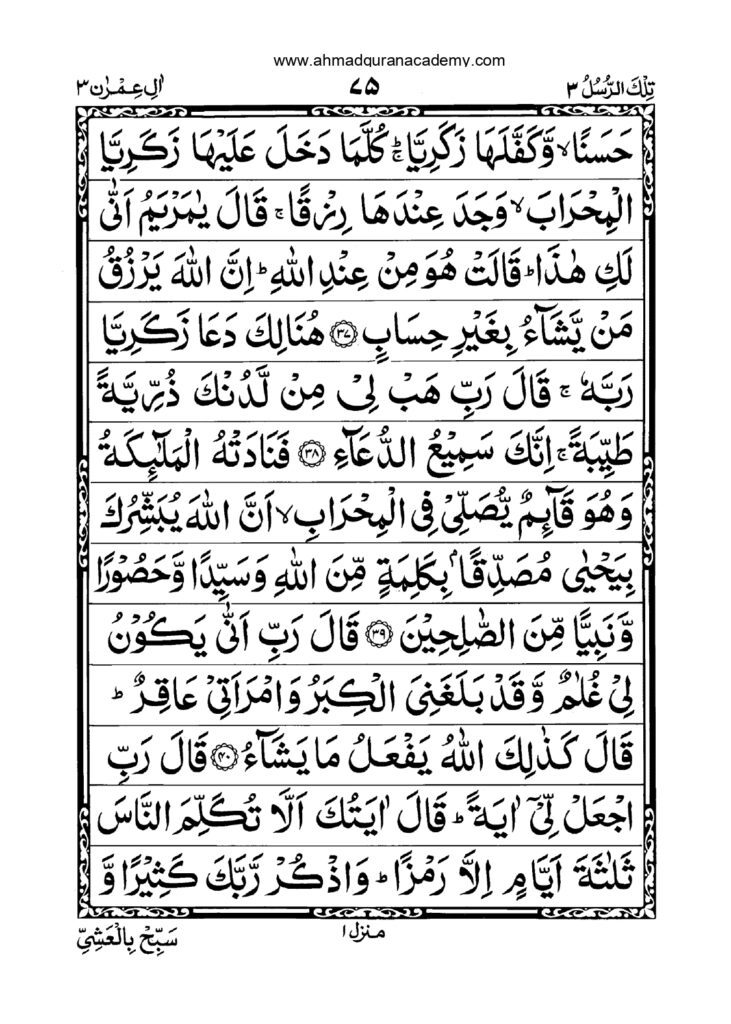
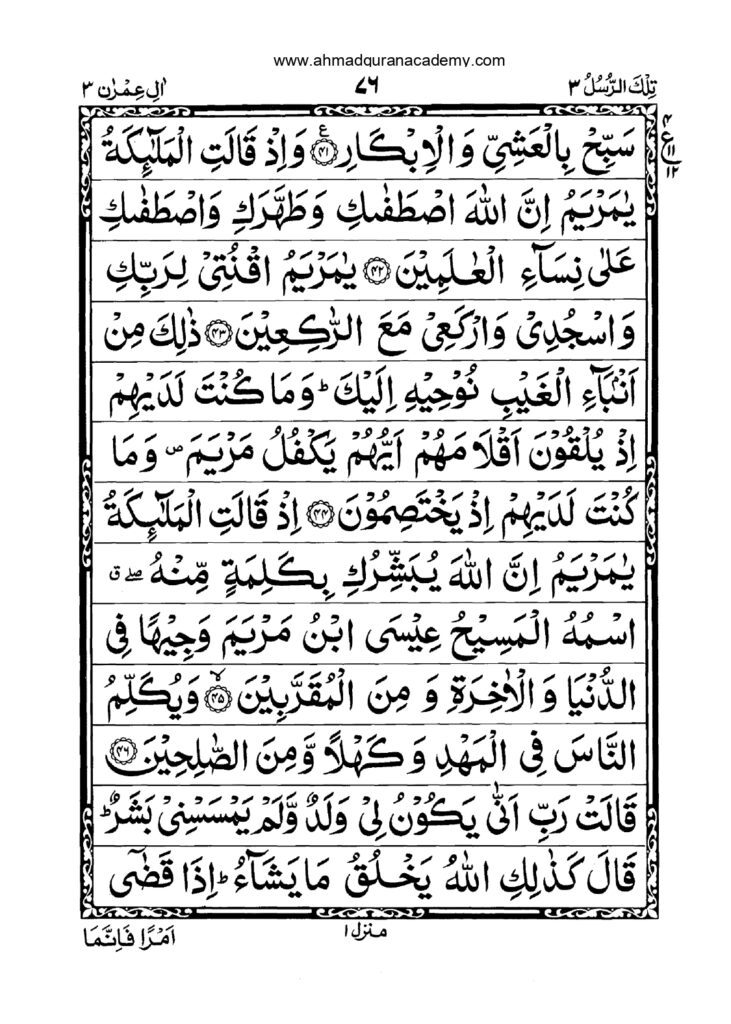
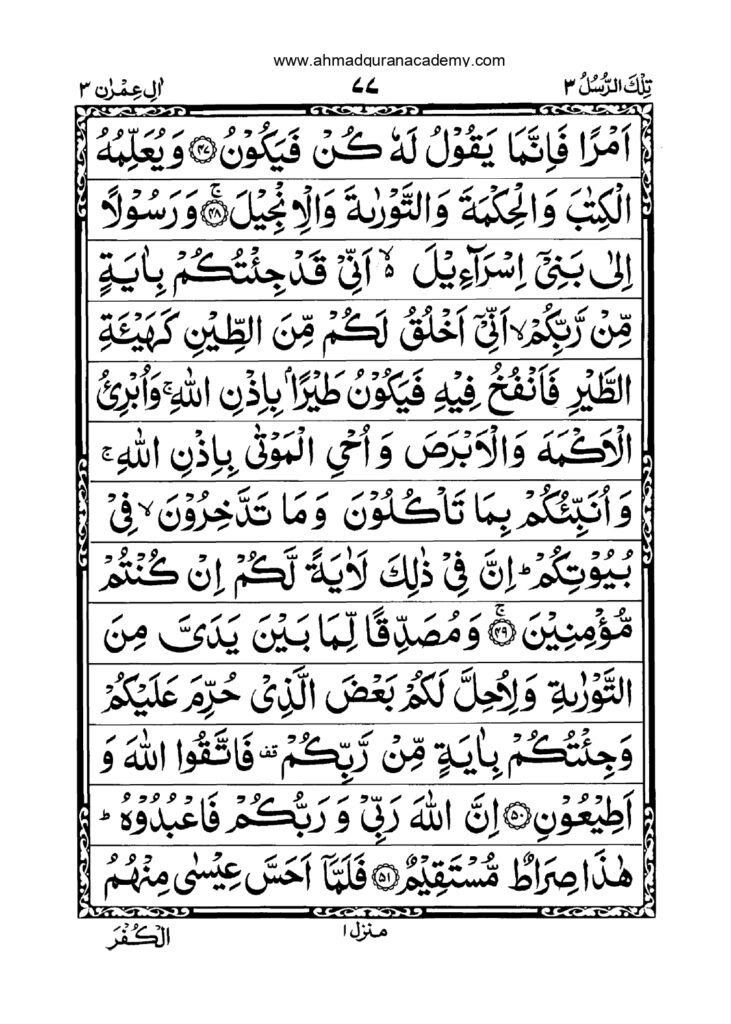
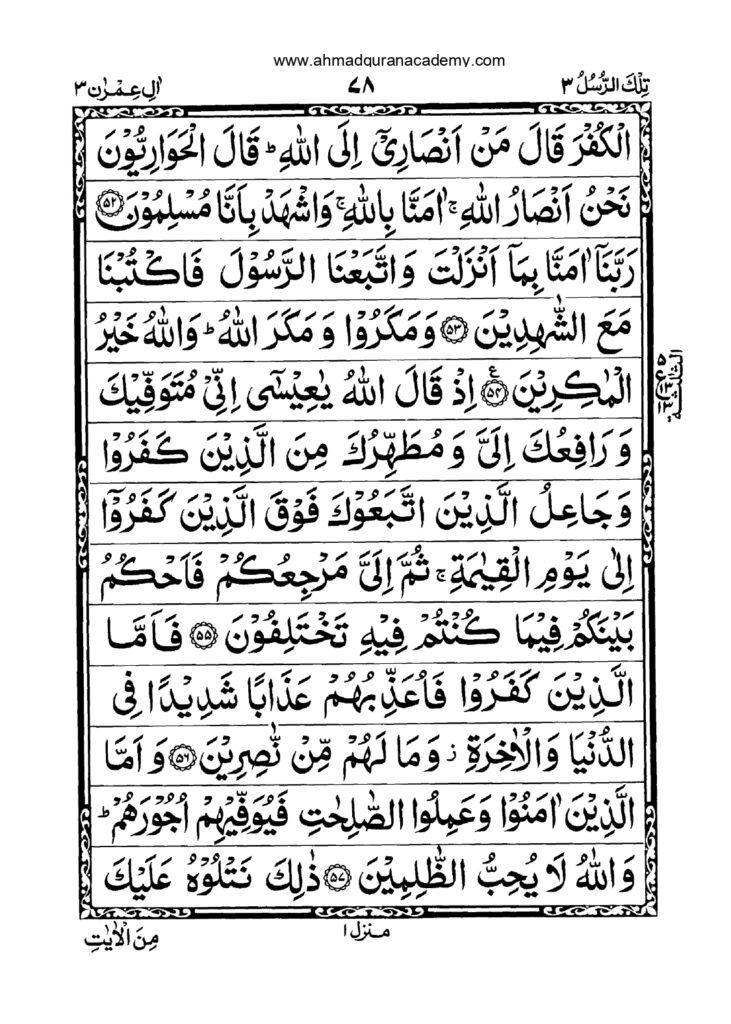
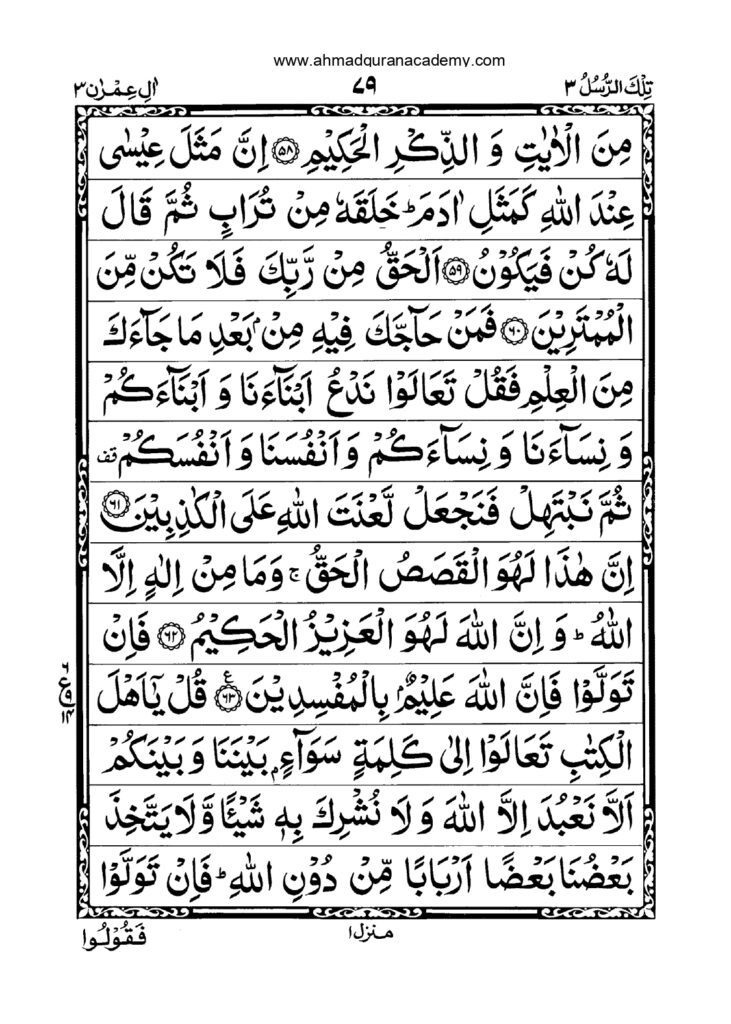
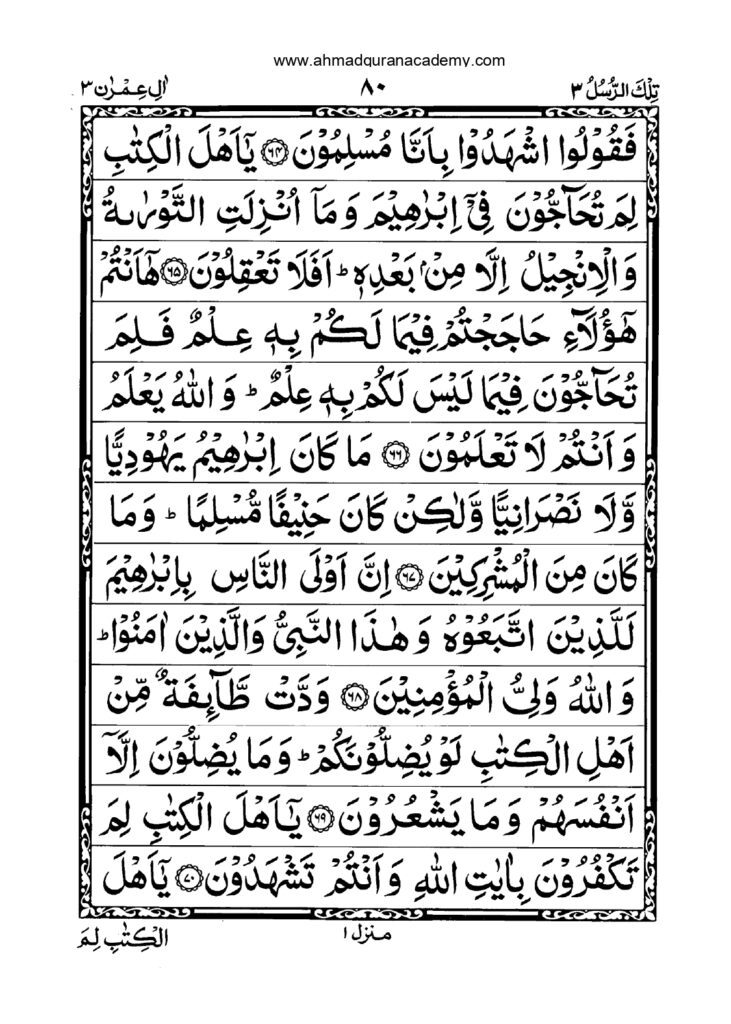
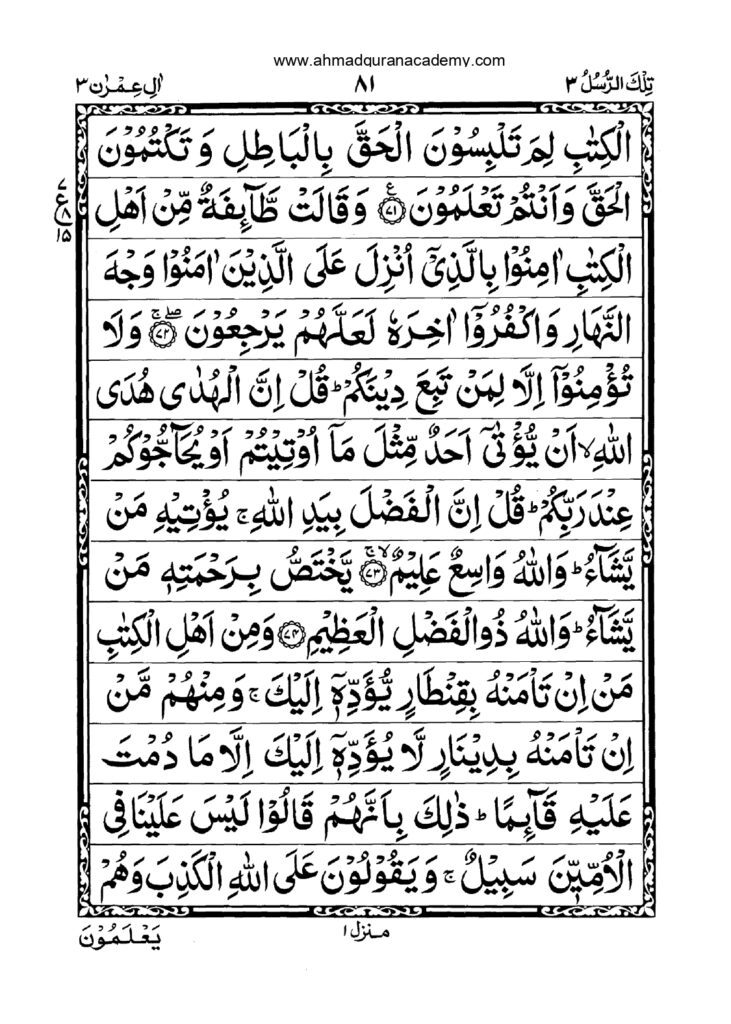
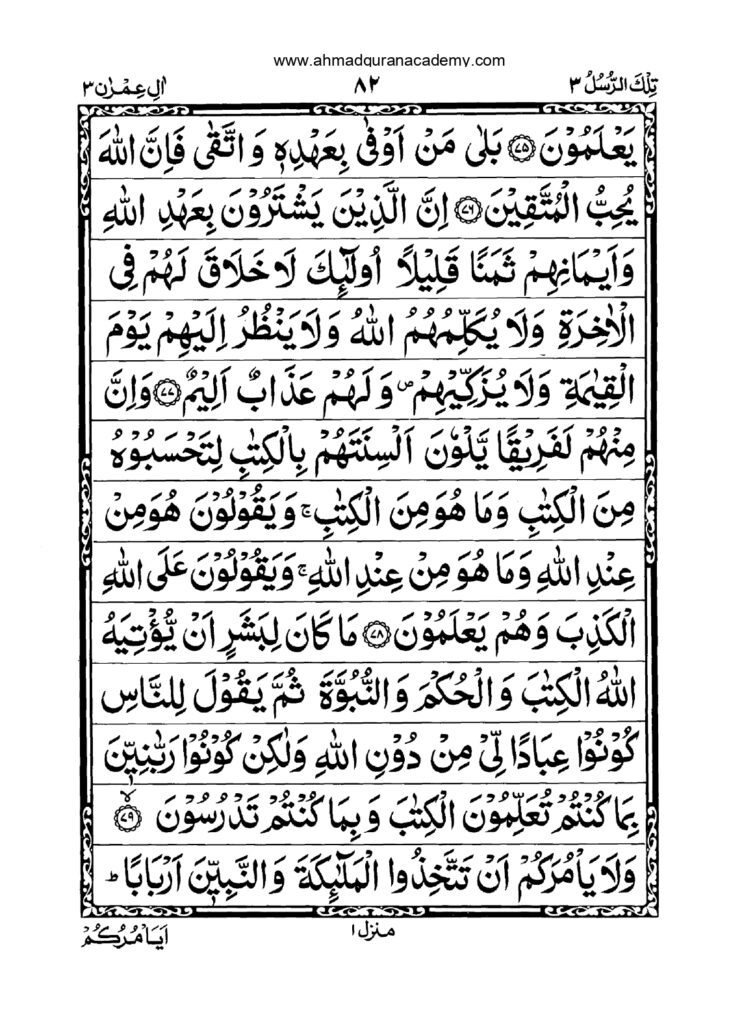
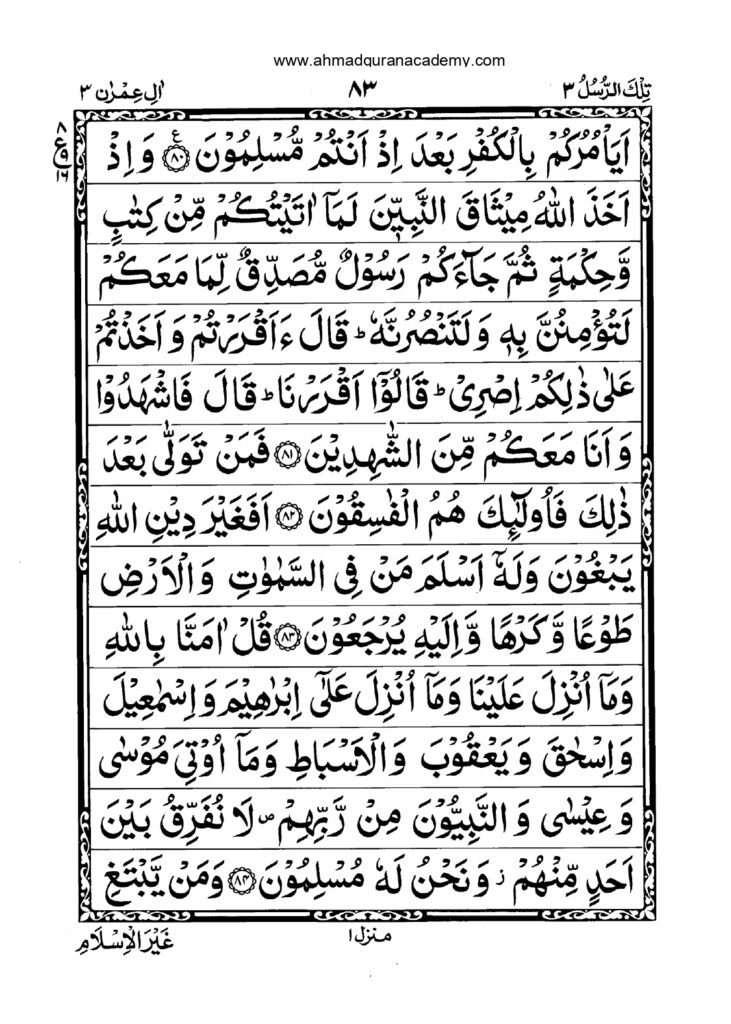
We already uploaded Quran Para 1 & Quran Para 2 For Reading click on Quran Para 1 & Quran Para 2
Quran Para 3 PDF
Quran Para 3 AUDIO
Quran Para 3 TRANSLATION
Quran Para 3 – Tilkal Rusul (تِلْكَ الرُّسُلُ) Overview
This Para connects believers with the legacies of the Prophets and their divine missions. It serves as a spiritual bridge between guidance, revelation, and real-life challenges, inspiring Muslims to stay firm on the straight path while learning from the lives of those who carried the message of Allah.
A Journey Through Divine Messages and Spiritual Wisdom
Tilkal Rusul opens the door to timeless lessons, showing how Allah’s messengers faced resistance, hardships, and triumphs. Each message holds relevance for the modern believer, providing strength, direction, and purpose.
The Final Verses of Surah Al-Baqarah: Mercy, Du’a, and Hope
These concluding verses are among the most beloved in the Quran, offering deep comfort and guidance. They reflect Allah’s mercy and His awareness of human limitations, while empowering the believer through supplication and trust.
Allah Does Not Burden a Soul Beyond Its Capacity
This verse is a reminder that no difficulty is beyond one’s strength. Allah knows what we can bear, and every test is accompanied by His support. It offers hope to every heart struggling with pain, confusion, or loss.
Heartfelt Supplications that Touch the Soul
The du’as in these verses are sincere and soul-stirring, often recited in prayers and times of hardship. They teach humility, forgiveness, and total dependence on Allah — values that form the foundation of true faith.
Beginning of Surah Aal-e-Imran: A New Chapter of Faith and Reflection
The transition from Surah Al-Baqarah to Aal-e-Imran marks a shift towards themes of deeper belief, unity among Muslims, and confronting both internal and external challenges with wisdom and strength.
Standing Firm in Belief and Brotherhood
This section emphasizes the need for unwavering faith, especially during trials. It also encourages the Ummah to remain united, supporting each other with compassion, sincerity, and common purpose.
Warning Against Hypocrisy and Blind Following
The Quran criticizes those who follow religion without understanding, or act religious outwardly but are insincere inwardly. It warns that true success lies in conscious, heartfelt submission — not ritual without meaning.
Stories of Righteousness: Maryam (A.S.) and Isa (A.S.)
Through the story of Maryam and the miraculous birth of Isa (A.S.), the Quran highlights purity, faith, and the extraordinary power of Allah. These stories serve as powerful examples of trust and submission to divine will.
The Purity and Honor of Maryam (A.S.)
Maryam (A.S.) is portrayed as one of the most honored women in history, whose devotion, modesty, and trust in Allah set her apart as a role model for women and men alike.
The Miraculous Birth of Isa (A.S.)
Isa (A.S.) was born without a father — a miracle that stunned his people and confirmed Allah’s ability to create as He wills. His story reflects divine power, purpose, and mercy.
Lessons from the Prophets: Struggle, Leadership, and Trust
The messengers of Allah were not only spiritual guides but also leaders who endured pain and persecution. Their perseverance teaches believers how to face trials with dignity and remain loyal to their mission.
Those Messengers Were Given Different Ranks
Allah mentions that the Prophets held different statuses, based on the responsibilities and tests they faced. This helps believers respect all Prophets while recognizing the greatness of each one’s mission.
Faith, Leadership, and Facing Challenges
The lives of the Prophets show how true leadership is rooted in faith, patience, and trust in Allah. Believers are urged to lead their own lives with the same courage and conviction.
Call to Unity, Obedience, and Purpose
As divisions grow among people, the Quran calls for unity under the banner of Islam. It reminds us to follow divine commands with sincerity and act with a shared sense of responsibility.
Strengthening the Muslim Ummah
This section highlights the need to revive the brotherhood of Islam — standing together against injustice, promoting peace, and living as one body united by faith and purpose.
Living a Life Guided by Divine Light
By applying Quranic teachings in daily life, believers can walk a path filled with clarity, peace, and fulfillment. Allah’s guidance is like light in darkness — leading us to success in this life and the next.
FAQs
What is the main theme of Quran Para 3 (Tilkal Rusul)?
Quran Para 3 focuses on the lives and ranks of the Prophets, their struggles, and the guidance they brought for humanity. It emphasizes unity, faith, sincere worship, and trust in Allah through examples from previous nations and messengers.
Which Surahs are covered in Para 3?
Para 3 contains the final verses of Surah Al-Baqarah and begins Surah Aal-e-Imran. These Surahs include powerful verses of supplication, faith, and divine commandments for believers.
Why are the last verses of Surah Al-Baqarah so important?
The last two verses (285–286) of Surah Al-Baqarah are among the most beloved in the Quran. They include declarations of belief, spiritual relief that Allah does not burden anyone beyond their capacity, and beautiful supplications that every Muslim should know.
What lessons can be learned from Maryam (A.S.) and Isa (A.S.) in this Para?
Their stories highlight the power of Allah, the reward of patience, and the honor of pure faith. Maryam (A.S.) is shown as a symbol of modesty and devotion, while Isa (A.S.) represents divine miracles and prophethood.
How does this Para address the concept of unity among Muslims?
Tilkal Rusul emphasizes the need for brotherhood, sincere obedience to Allah, and standing together in the face of internal and external challenges. It calls Muslims to hold firmly to their faith and avoid division.
What is the meaning of ‘Tilkal Rusul’?
“Tilkal Rusul” means “Those messengers”. It refers to the chosen prophets of Allah who were given different ranks and roles. The phrase honors their mission and the guidance they brought to different nations.
What is the significance of starting Surah Aal-e-Imran in this Para?
Surah Aal-e-Imran builds upon the themes of Surah Al-Baqarah and introduces new subjects like interfaith dialogue, trust in Allah, and the importance of knowledge and family lineage in Islam — especially through the story of the family of Imran.
Is there any special du’a or prayer from this Para?
Yes, the ending of Surah Al-Baqarah contains powerful du’as such as:
“Our Lord! Do not impose blame upon us if we have forgotten or erred…”
These are widely recited for protection, forgiveness, and spiritual strength.
How does this Para help in building faith?
It reminds believers of the trials faced by earlier Prophets and communities, urging Muslims to remain patient and steadfast. It strengthens faith by showing that Allah supports those who trust Him sincerely.
Can Quran Para 3 be memorized easily?
Yes, many people start memorizing the Quran from the end of Surah Al-Baqarah. The du’as are particularly popular for daily recitation, and the clear stories and lessons from Aal-e-Imran also aid memorization with understanding.
Conclusion
Quran Para 3, Tilkal Rusul, is a deep ocean of guidance, filled with lessons from the lives of the Prophets, the purity of belief, and the strength of sincere faith. It teaches us that every Prophet faced trials, yet they stood firm with unwavering trust in Allah. Through their examples, we are reminded that success lies not in ease, but in steadfastness, obedience, and unity.
The final verses of Surah Al-Baqarah soothe the soul with hope and divine mercy, while the opening of Surah Aal-e-Imran ignites the heart with conviction and purpose. This Para is not just for recitation — it is a mirror for our lives, a call to self-reflection, and an invitation to live with courage, submission, and integrity.
Let this Para inspire us to strengthen our connection with the Quran, honor the legacy of the Prophets, and walk the path of truth, no matter how difficult it may be. Through these divine words, Allah reminds us that we are never alone — His light is always near for those who seek it.
Post a comment
Related Posts
February 21, 2026
Quran Para 2 with Translation, Tafsir, Audio & PDF
Quran Para 2, titled “Sayakool”, begins from Surah Al-Baqarah verse 142 and continues up to…
November 13, 2025
Quran Para 1 with Translation, Tafsir, Audio & PDF
Welcome to the divine beginning of the Holy Quran Para 1, also known as Juz…

December 7, 2024
Quranic Verses on Peace: Harmony and Coexistence in Islam
Quranic verses on peace highlight Islam’s emphasis on harmony, tolerance, and coexistence. These teachings guide…