Colors
 Support


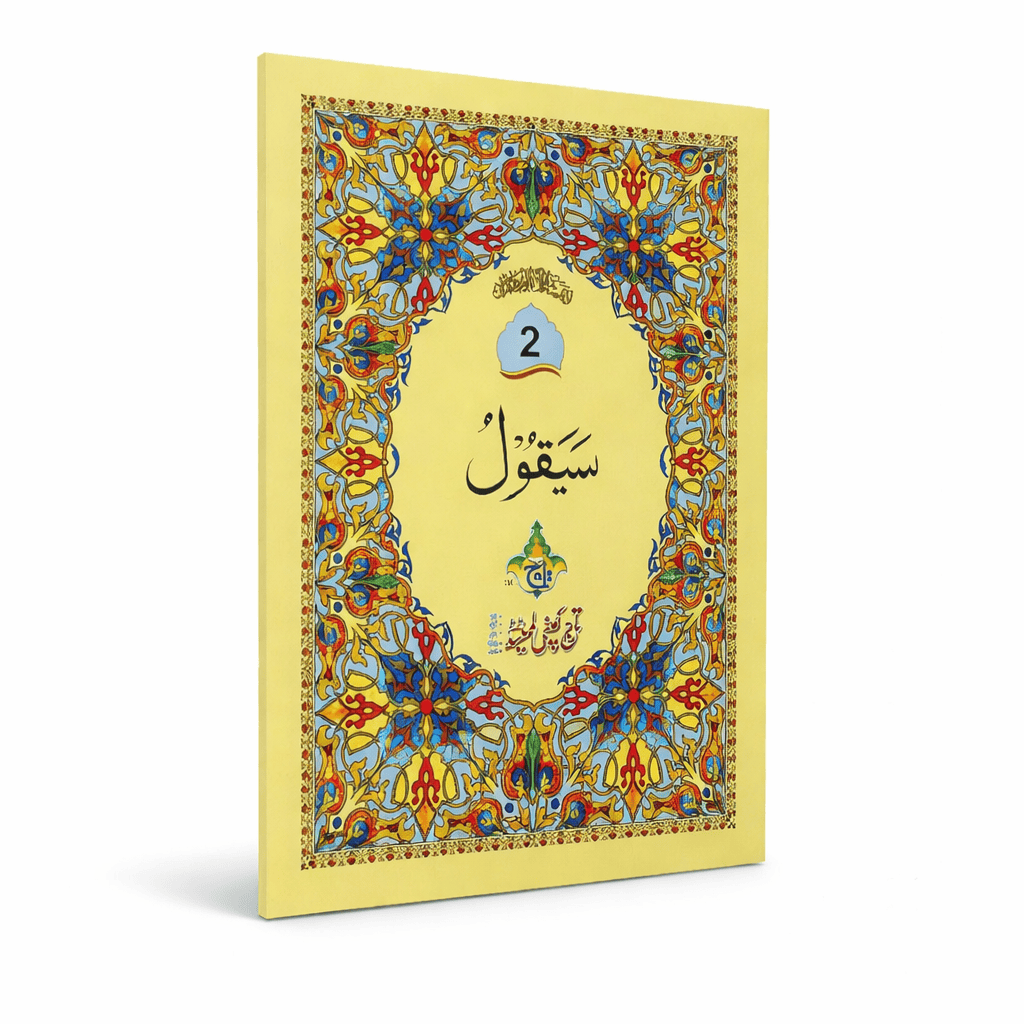
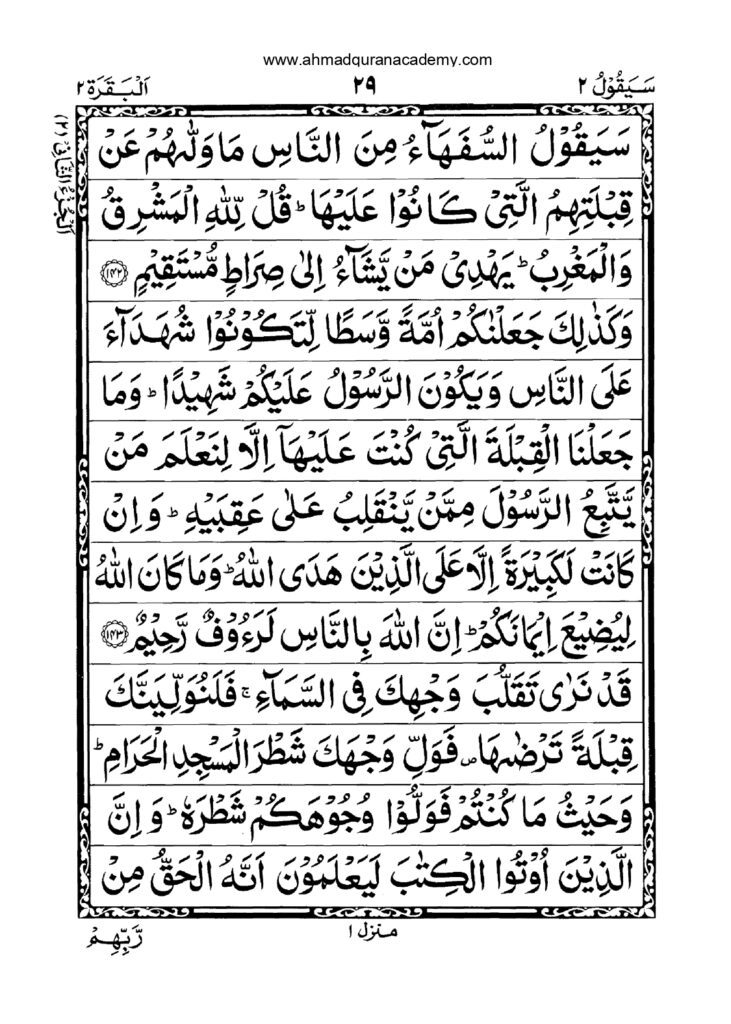
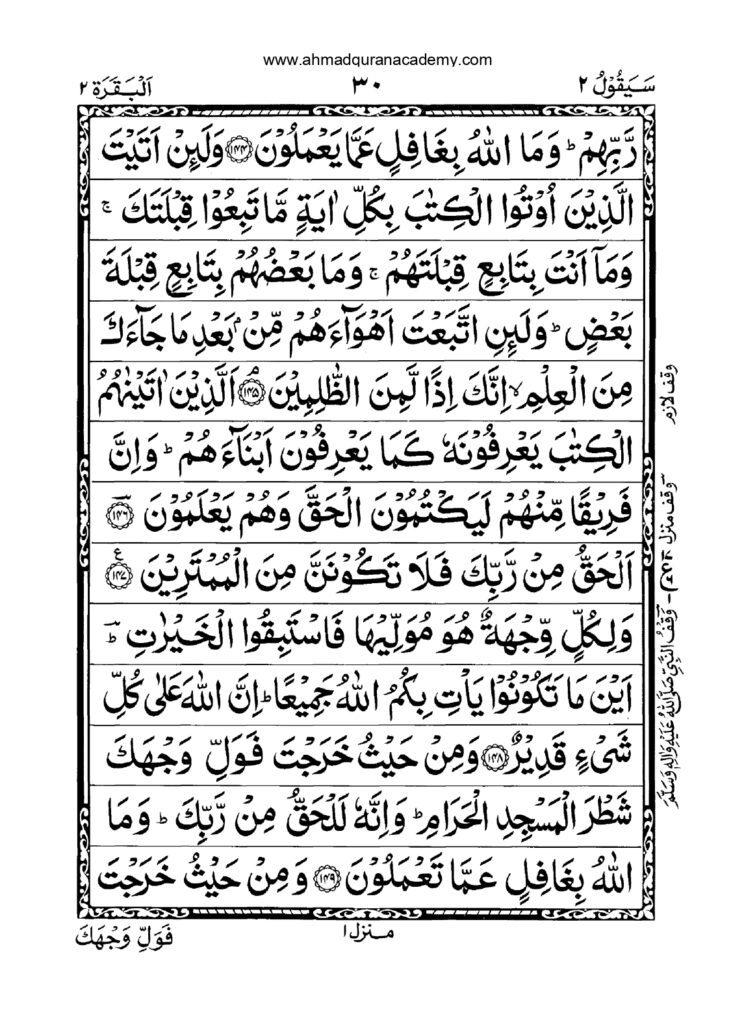
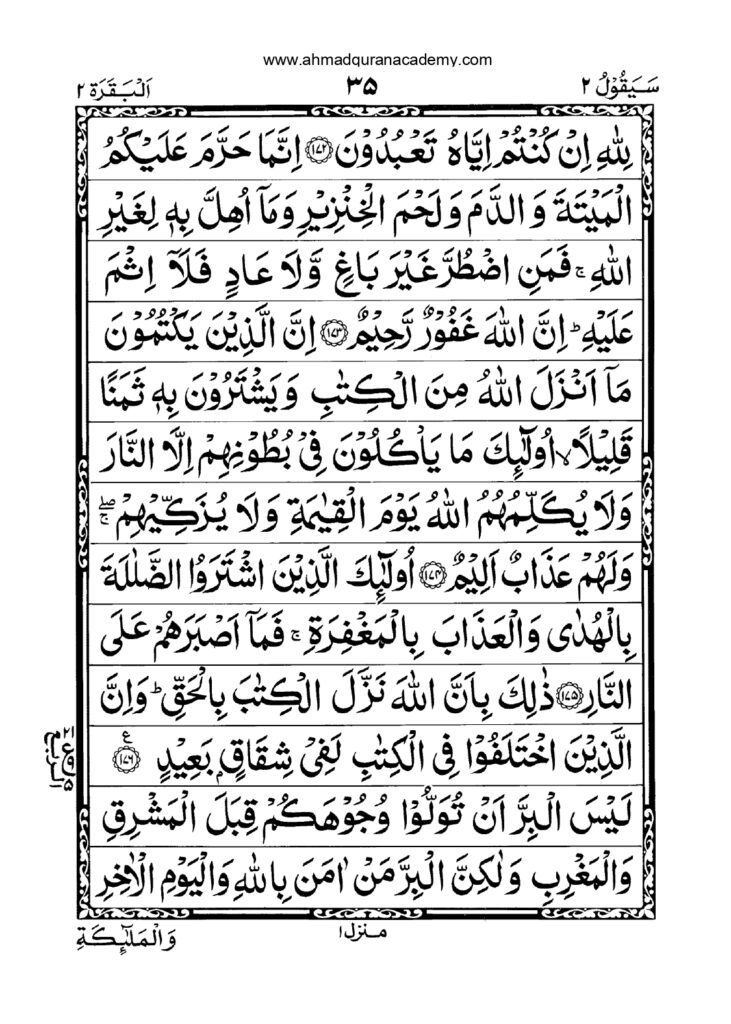
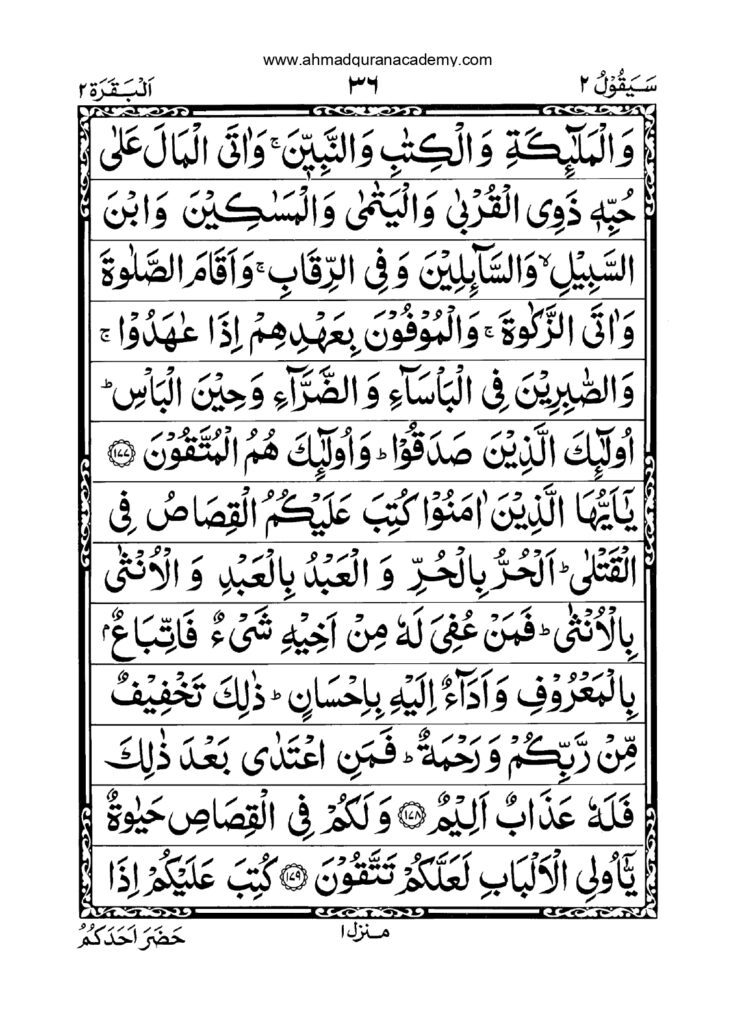
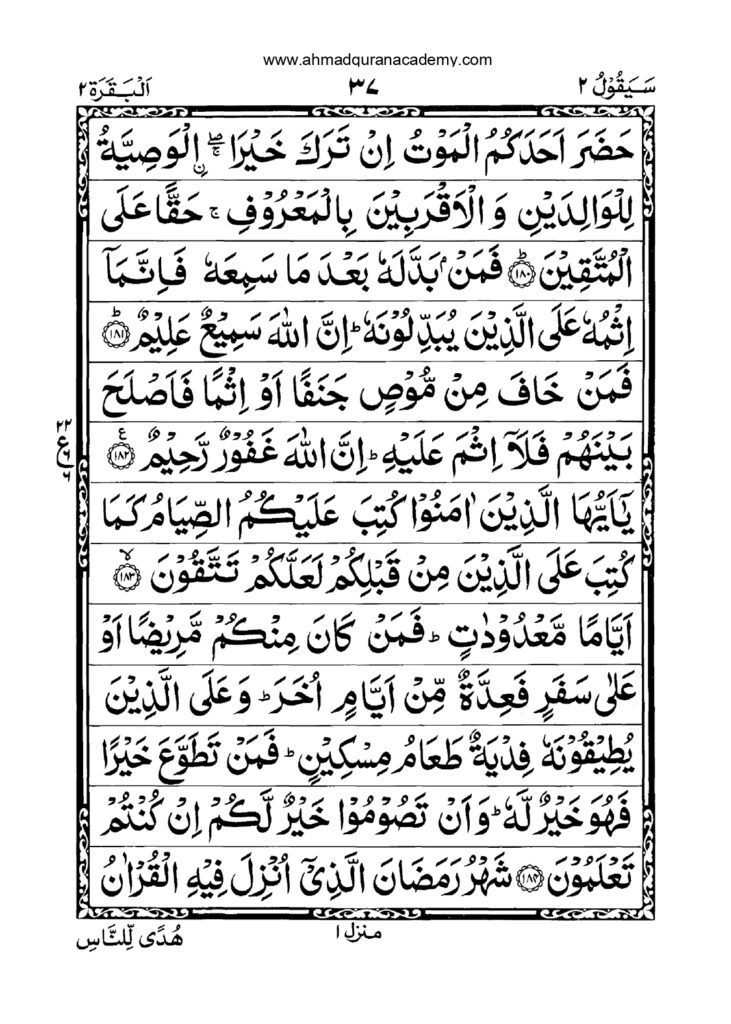
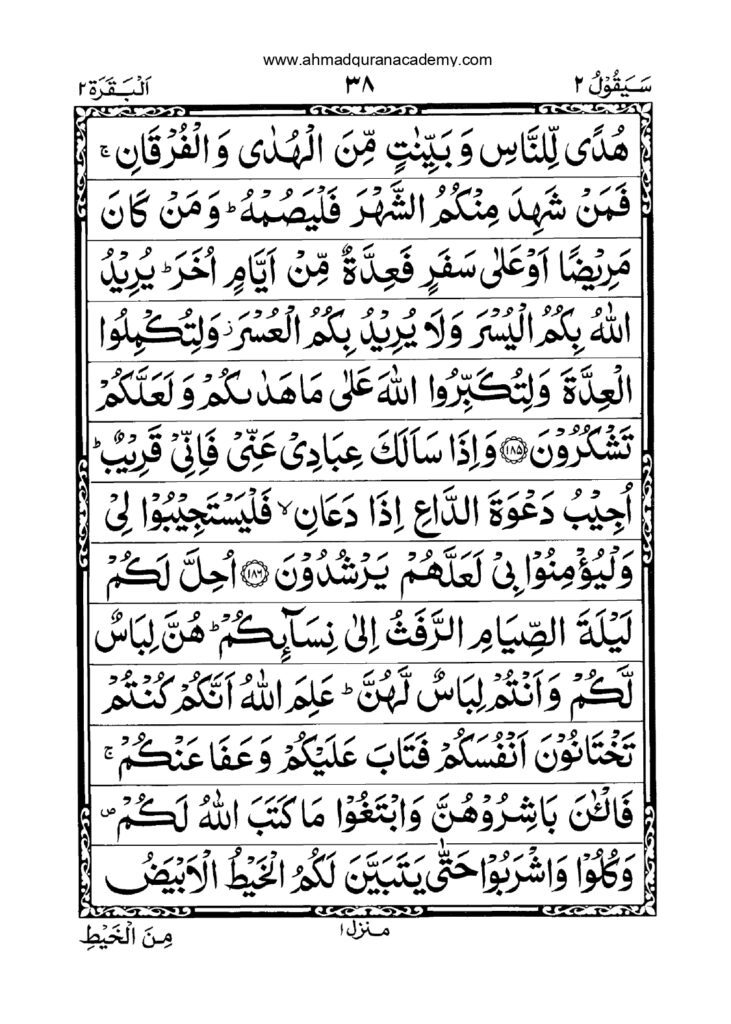
Quran Para 2, titled “Sayakool”, begins from Surah Al-Baqarah verse 142 and continues up to verse 252. This Juz explores the change of Qiblah, the significance of obedience to Allah, and continues the detailed discussions on laws, spirituality, and past nations.
It contains crucial teachings about fasting (Sawm), charity (Zakat), Hajj, and the importance of patience and faith in trials. It also introduces the Ayat-ul-Kursi, one of the most powerful verses in the Quran, highlighting the greatness of Allah.
If you want to Reading Quran Para 1 then click on Quran para 1.
Quran Para 2, also known as Juz “Sayakool”, marks a turning point in Islamic instruction and identity. It addresses the historical shift of the Qiblah from Jerusalem to the Kaaba in Makkah, symbolizing the spiritual leadership of the Muslim Ummah.
This Para emphasizes devotion, unity, and obedience to Allah’s commands in both belief and action. It discusses key topics like the rulings of Ramadan fasting, the significance of Hajj, financial charity, social justice, and the rights of others.
Moreover, it contains the magnificent Ayat-ul-Kursi (2:255), a verse revered for its depth, beauty, and powerful description of Allah’s sovereignty. Through stories of prophets like Ibrahim (A.S.) and spiritual reflections, this Juz encourages believers to embrace trust, resilience, and responsibility as servants of Allah.
If you want to Reading Quran Para 1 then click on Quran para 1.
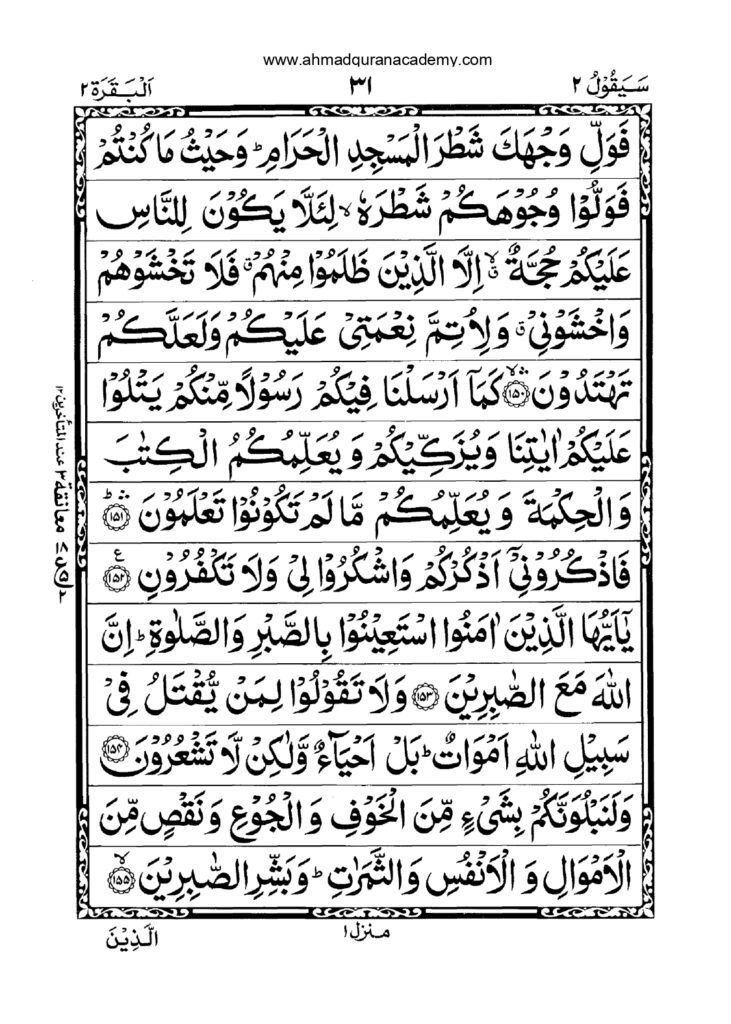
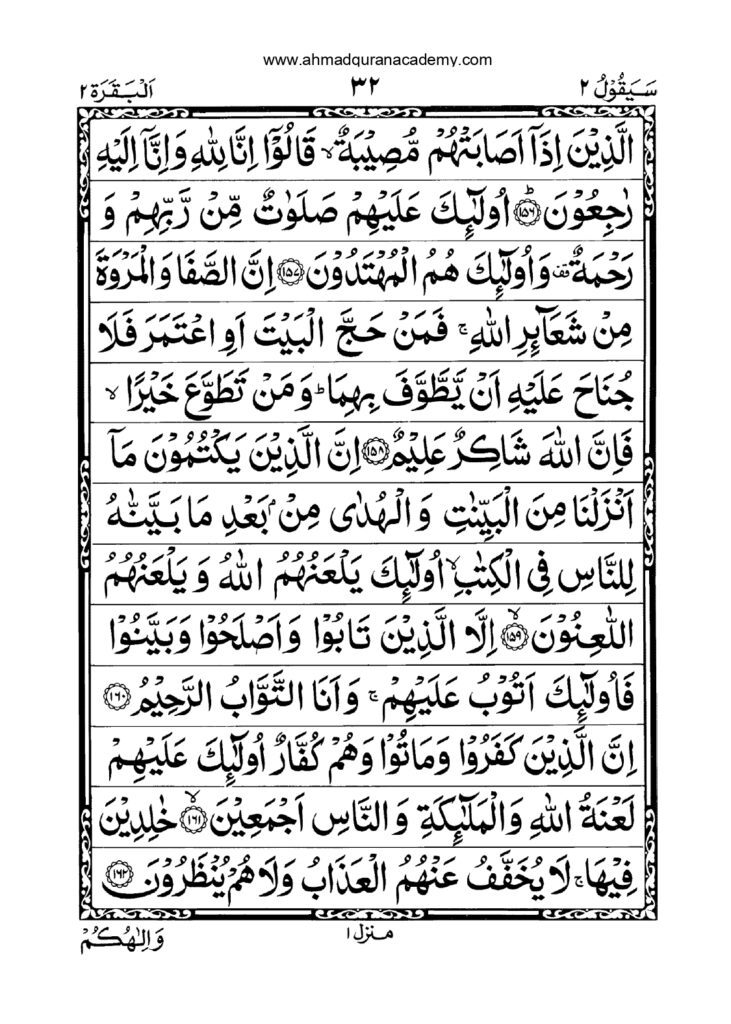
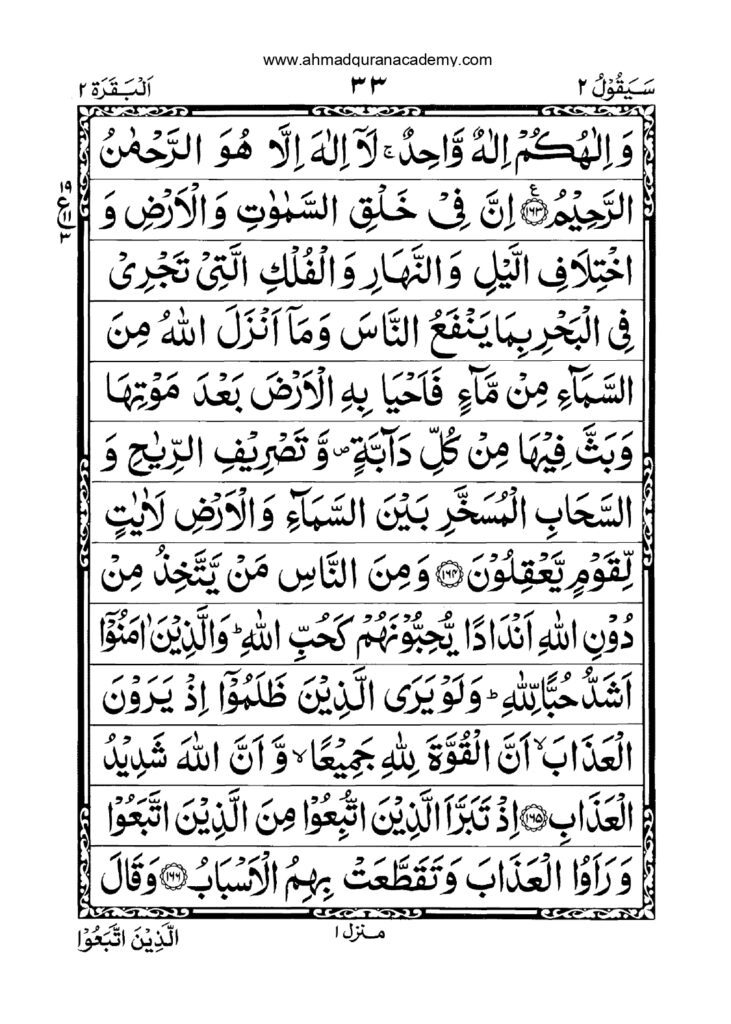
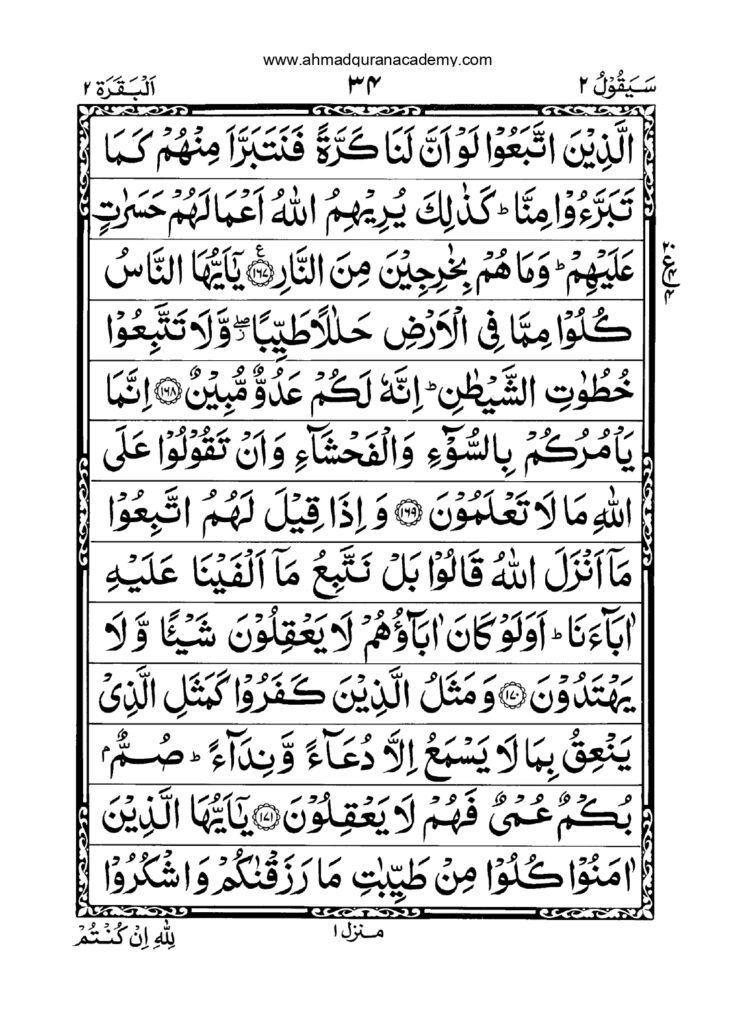
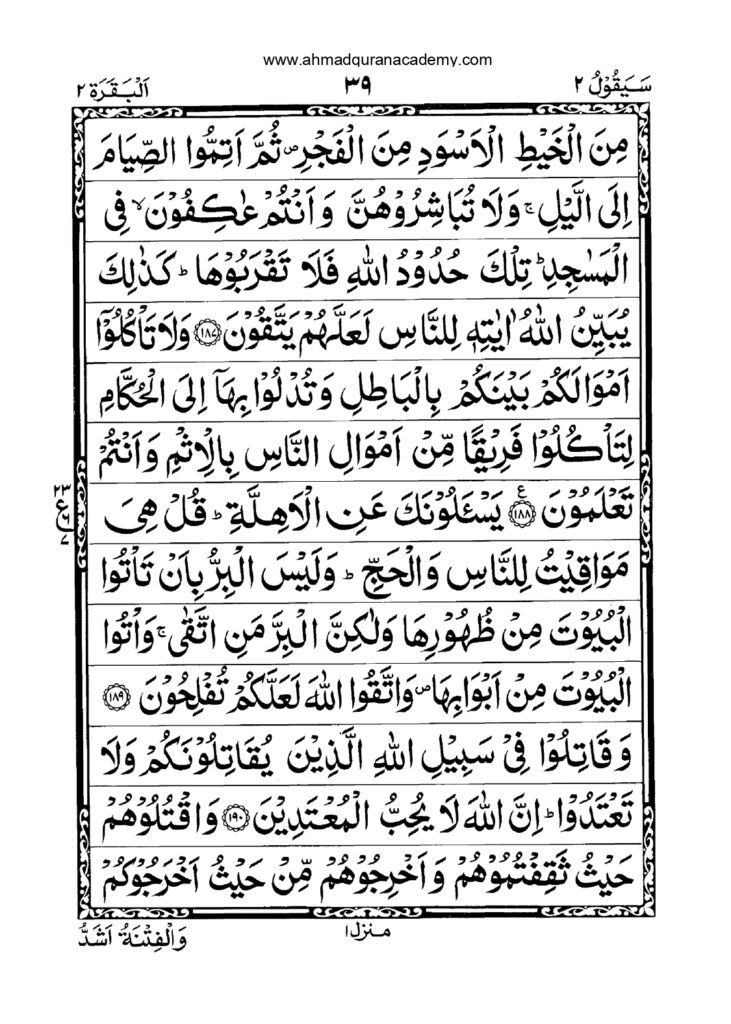
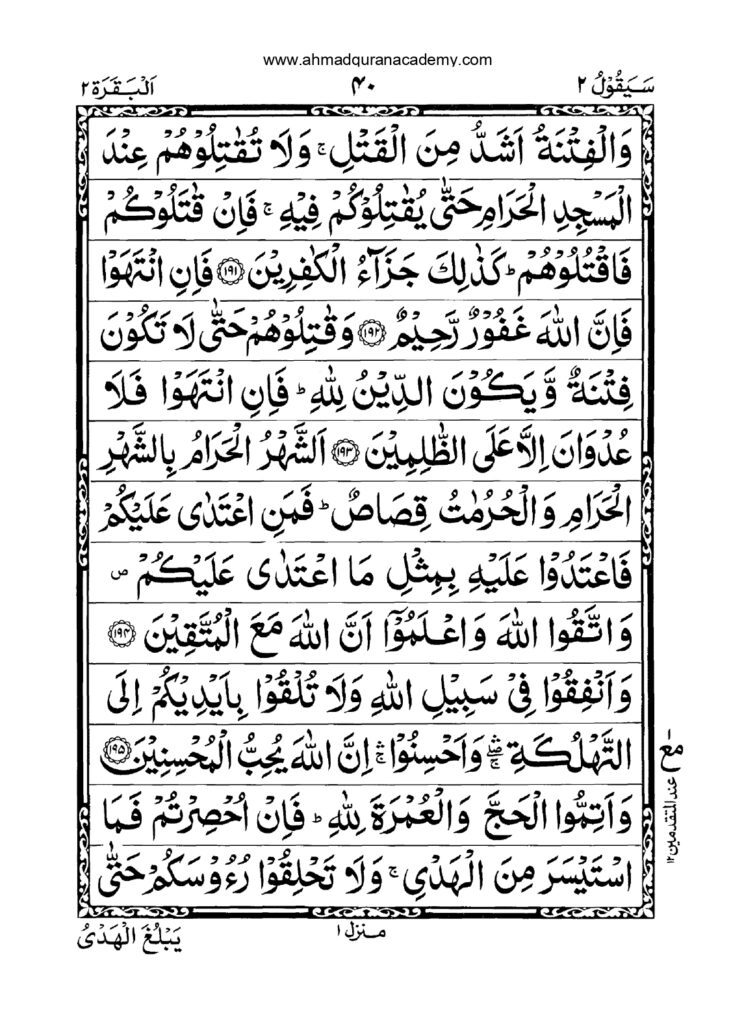
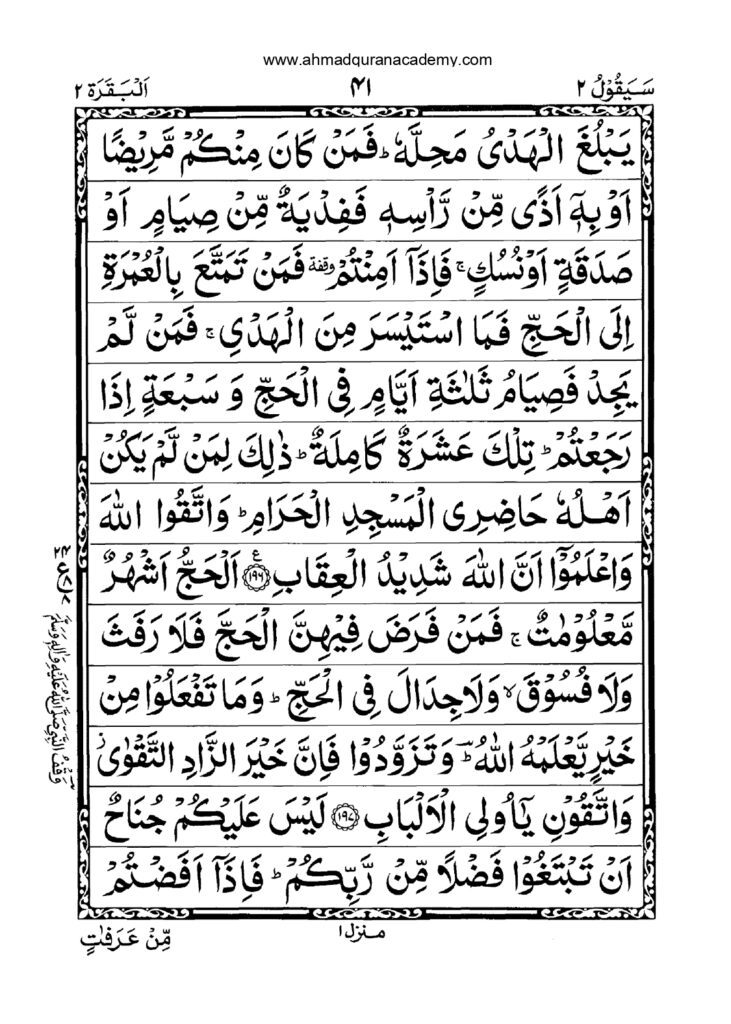
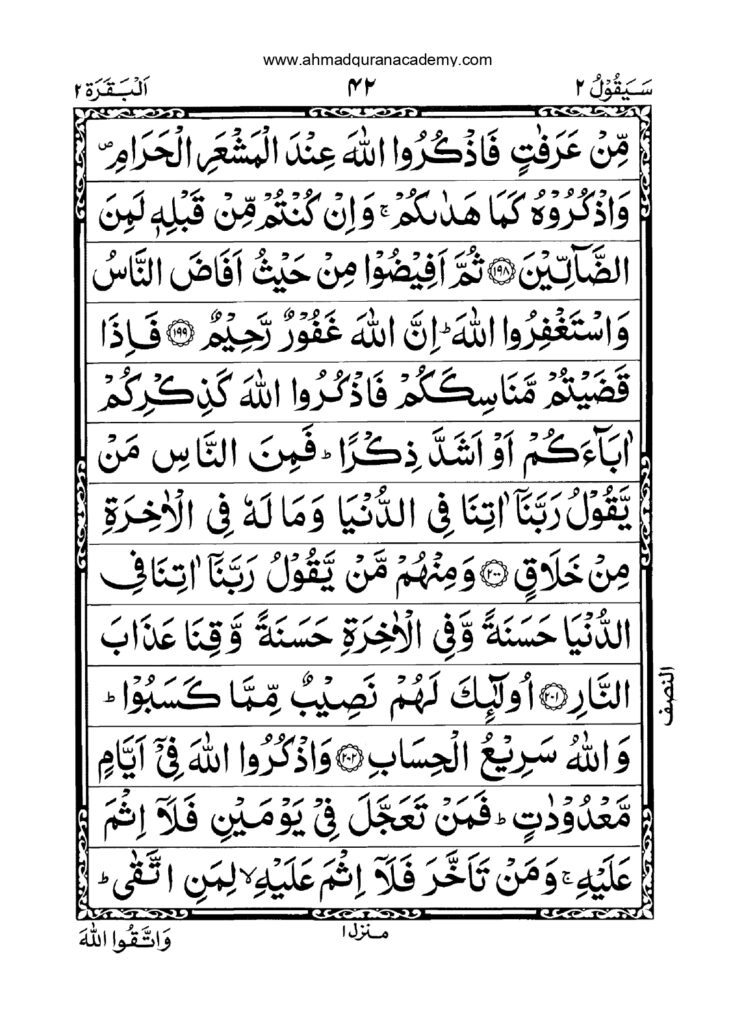
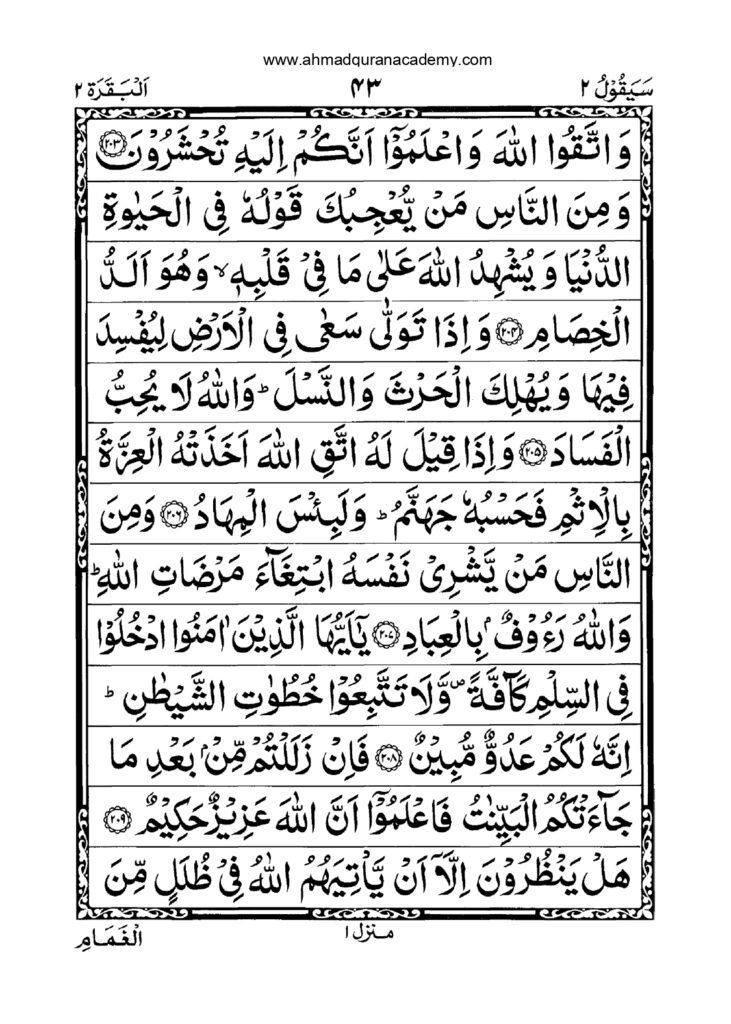
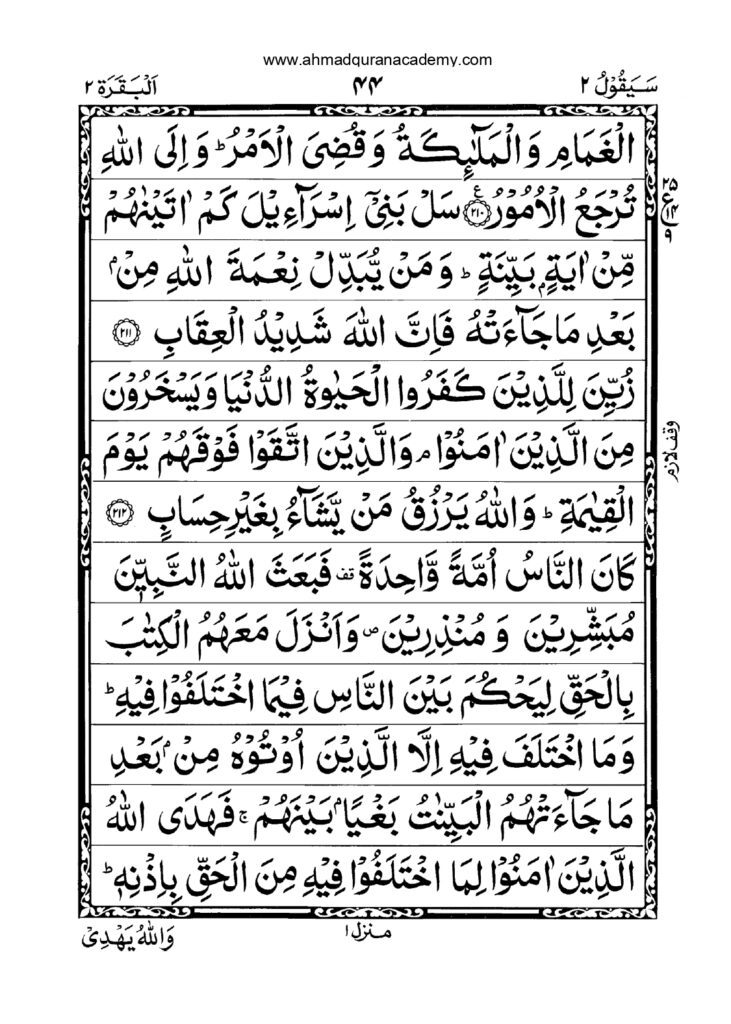
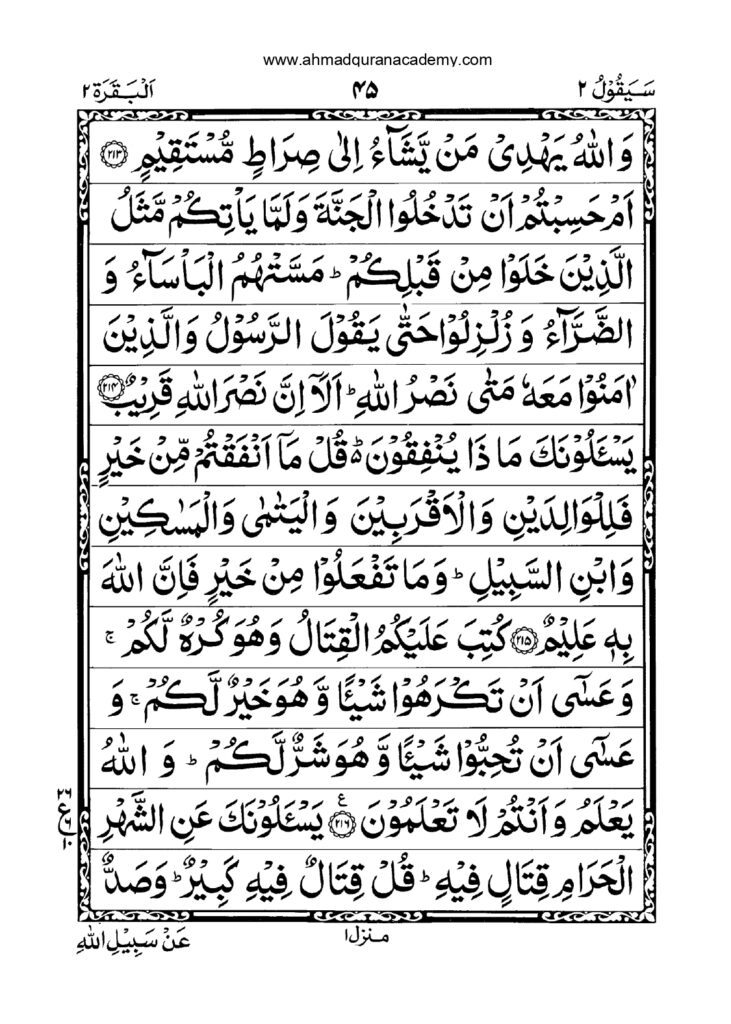
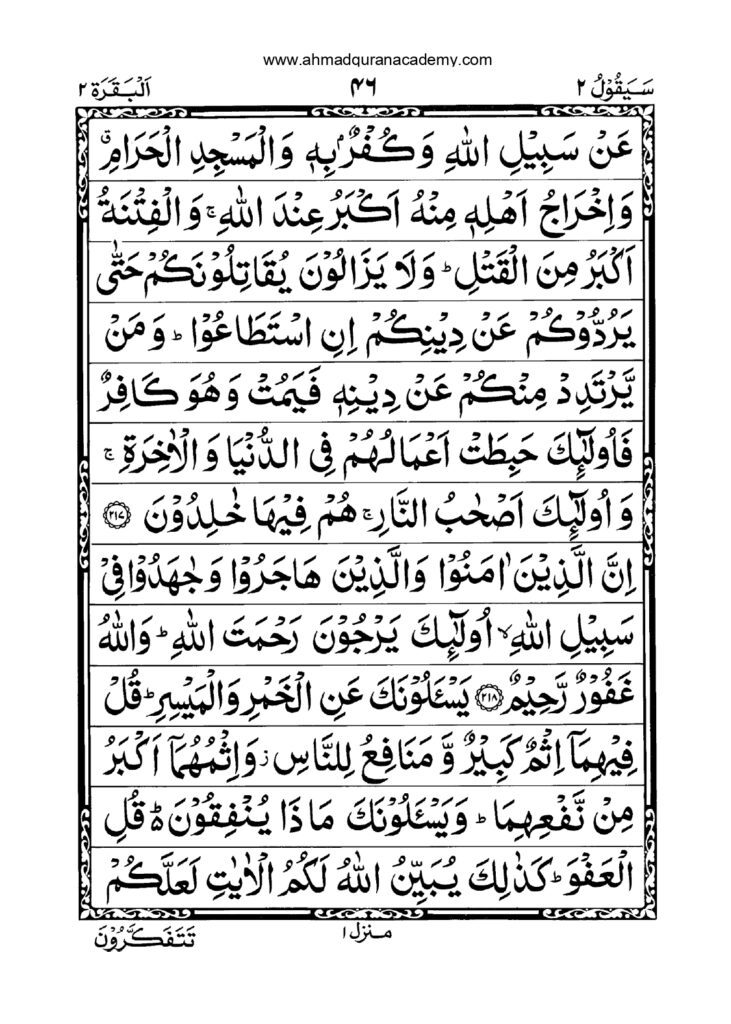
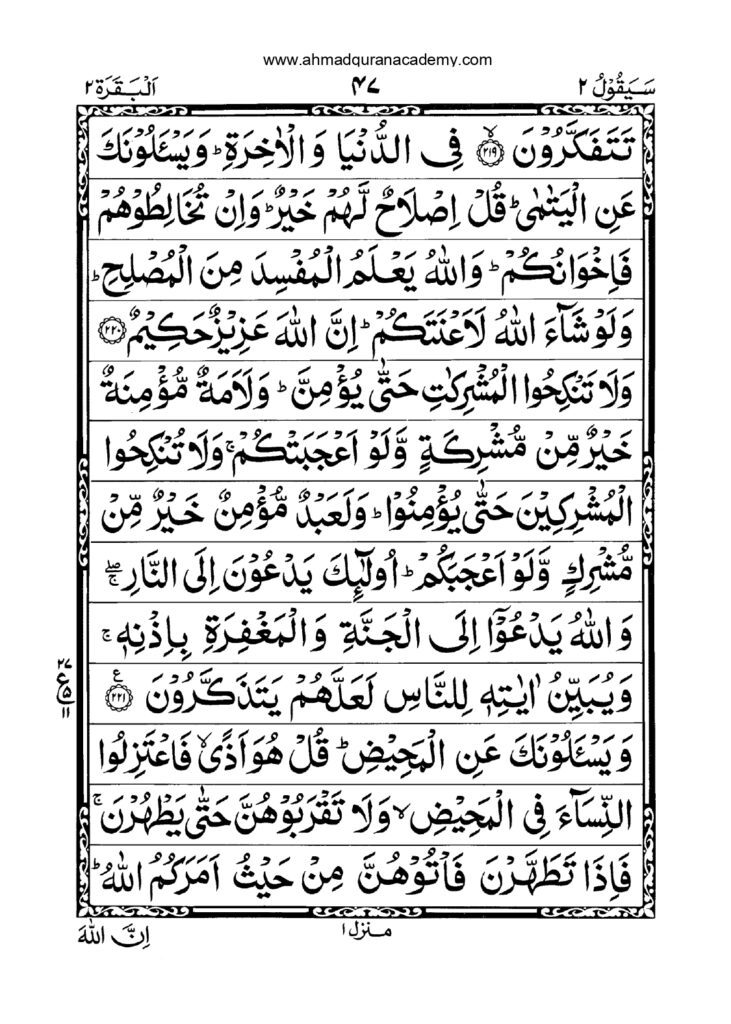
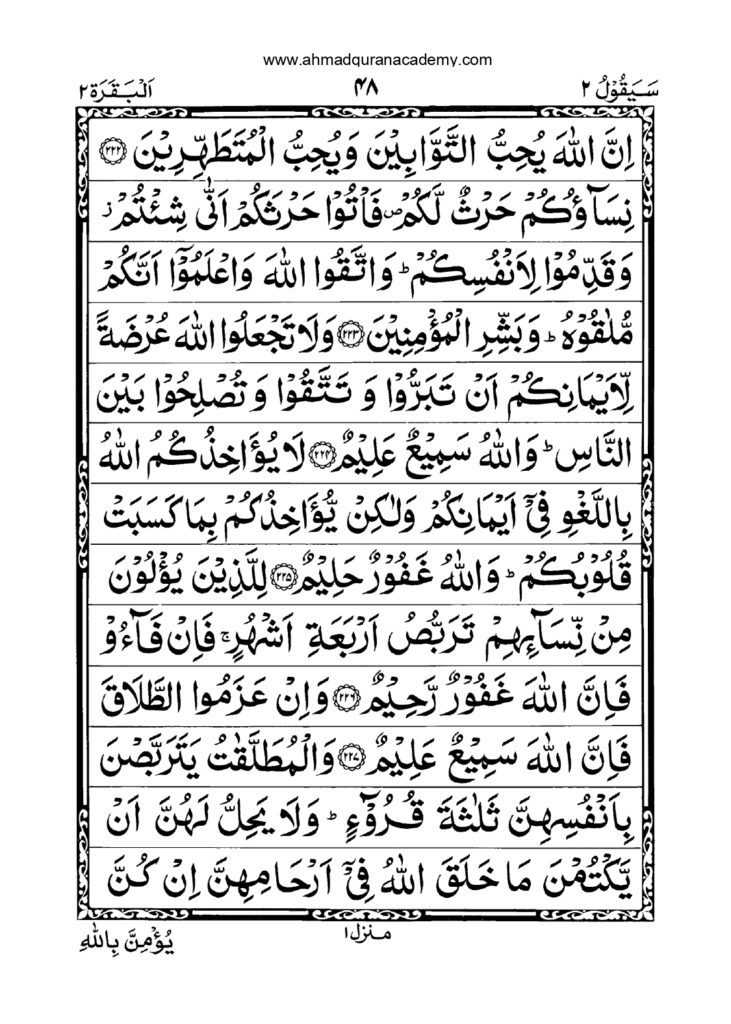
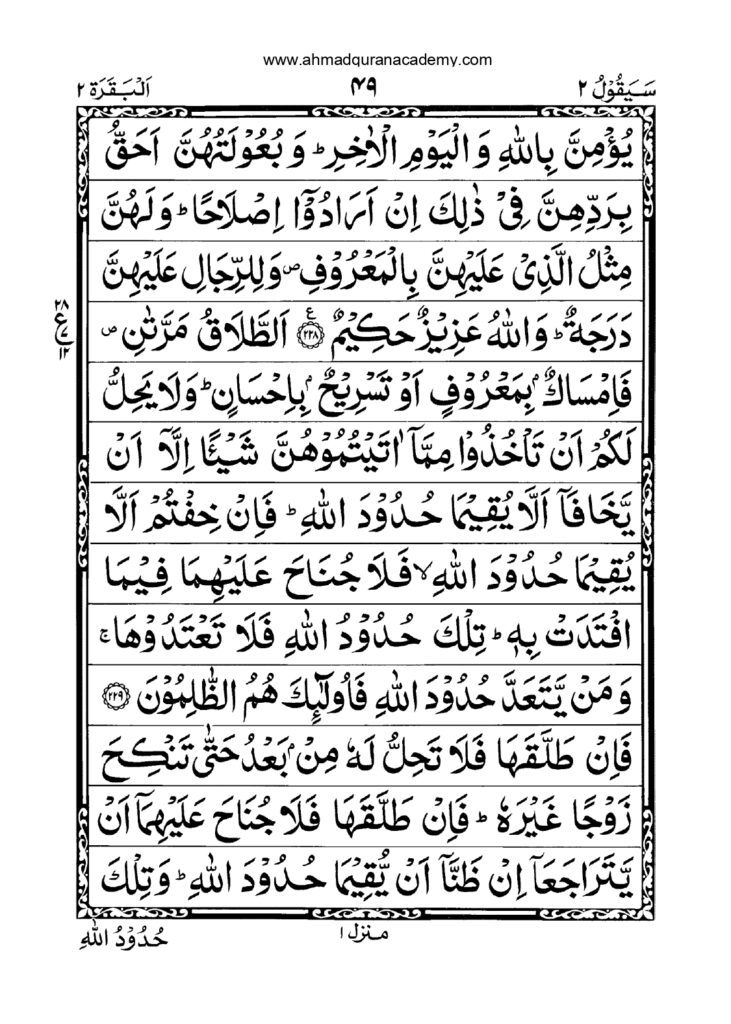
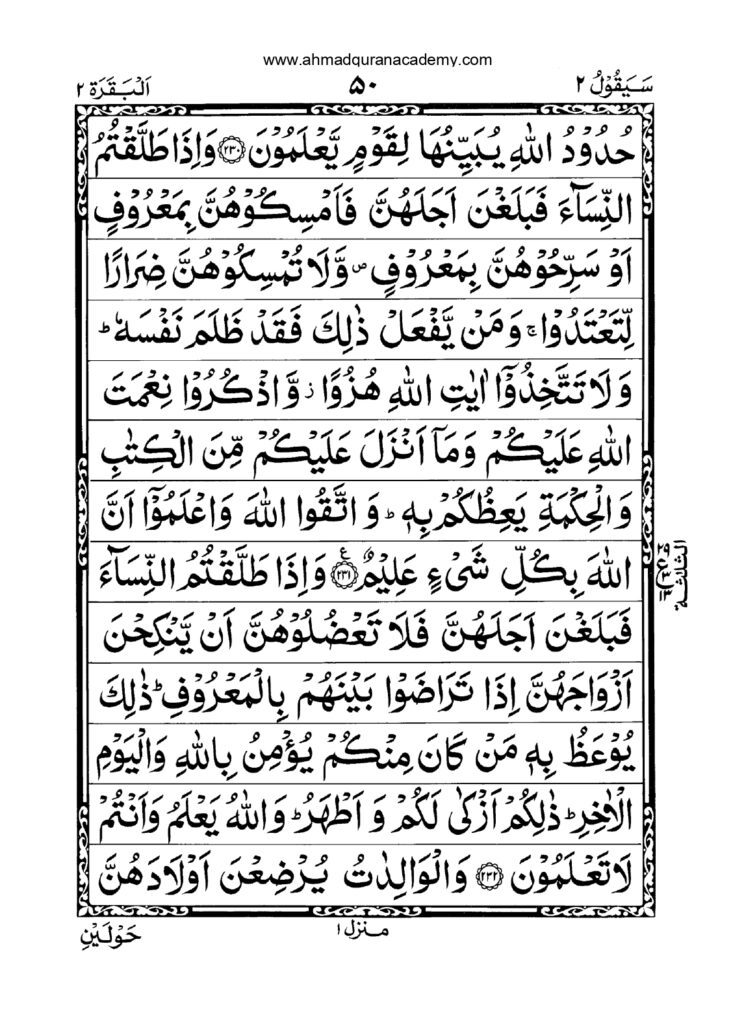
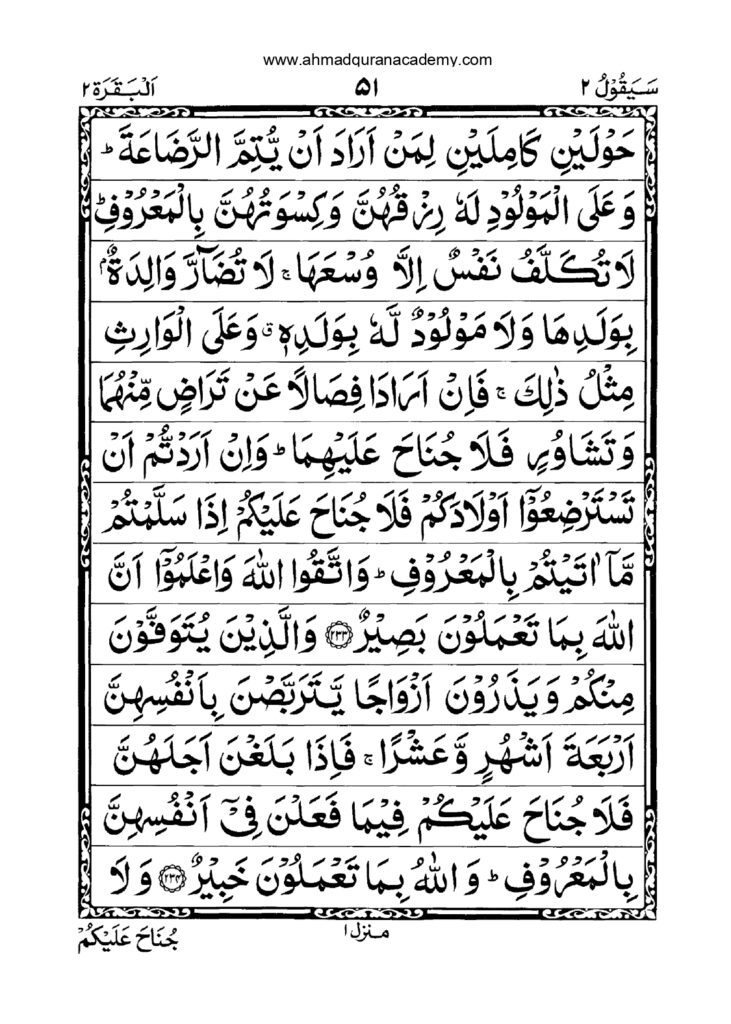
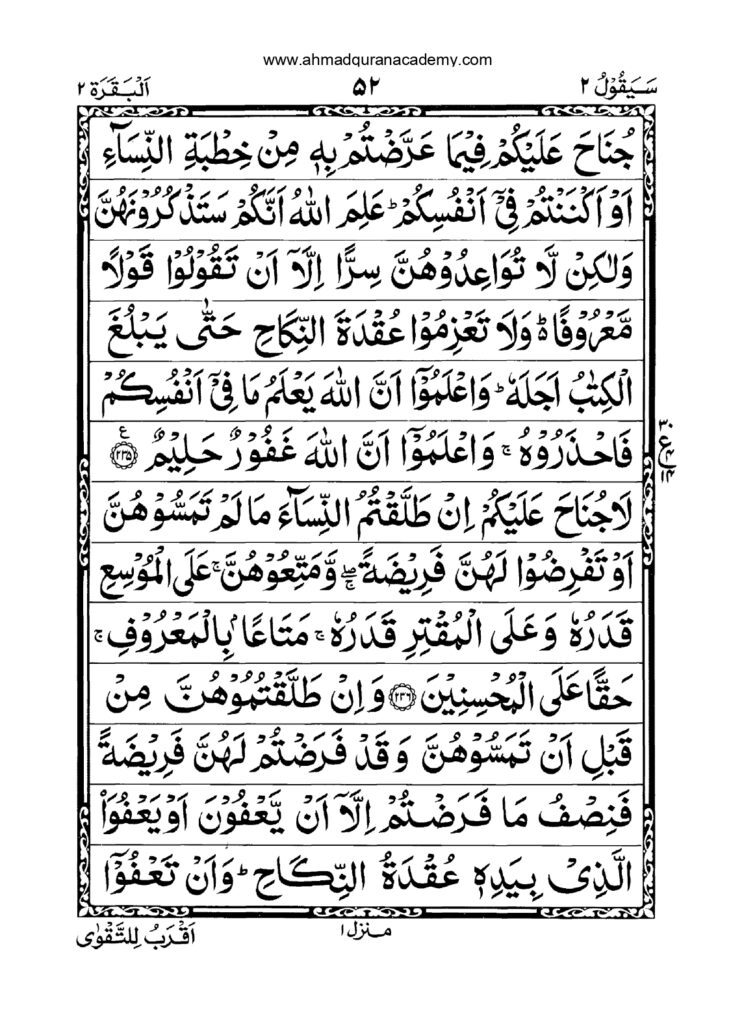
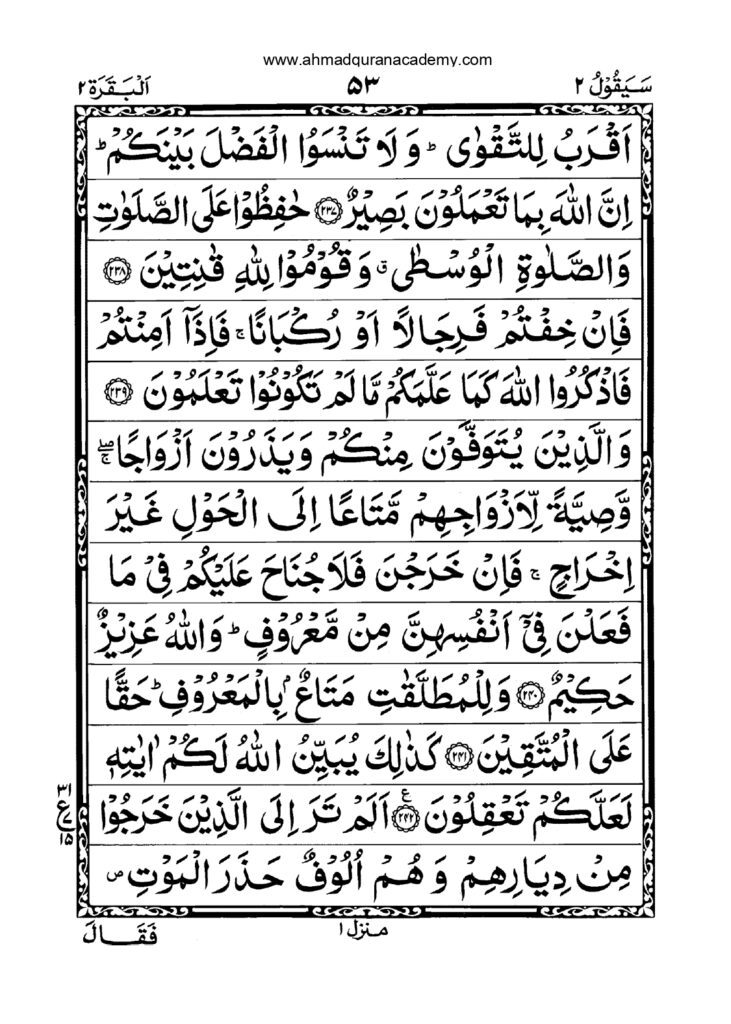
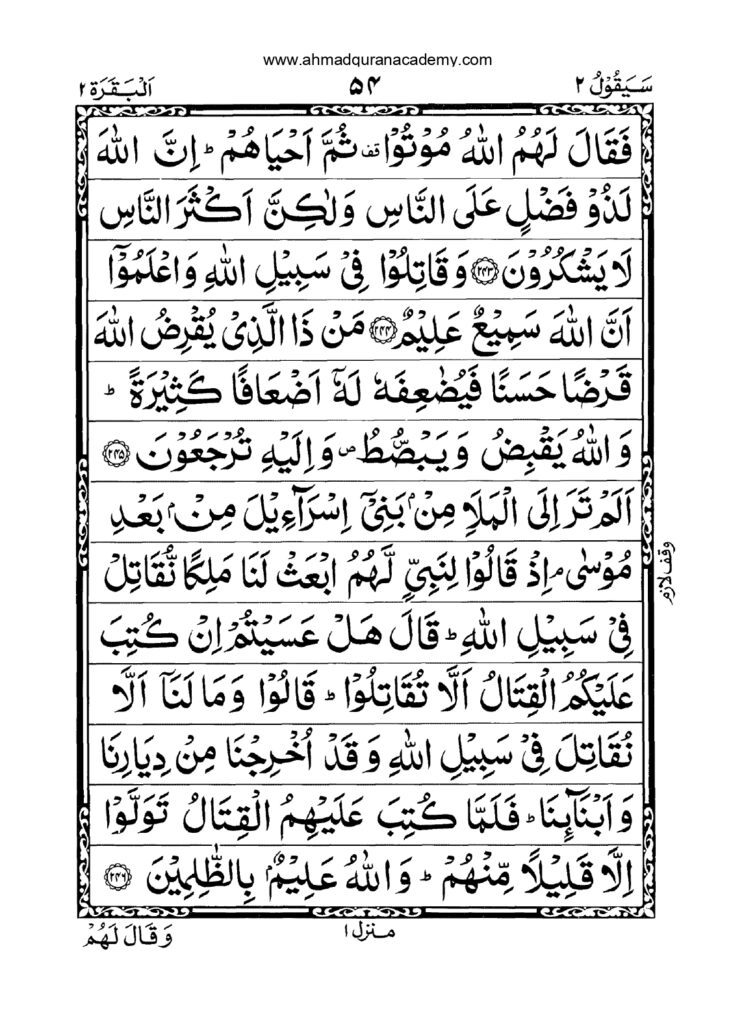
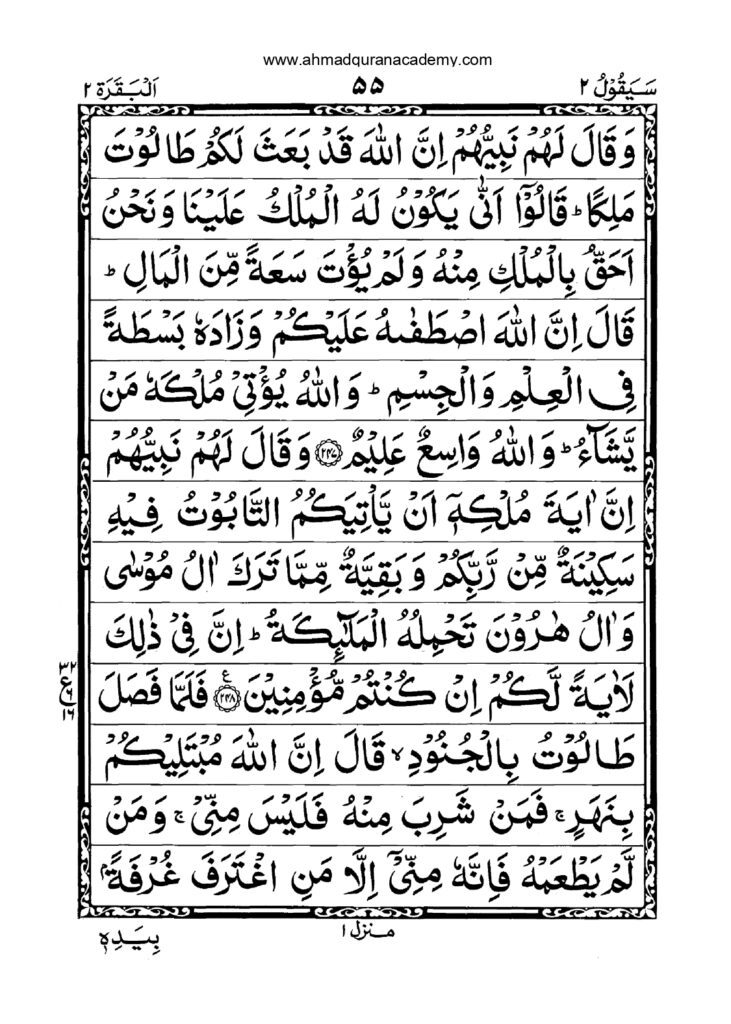
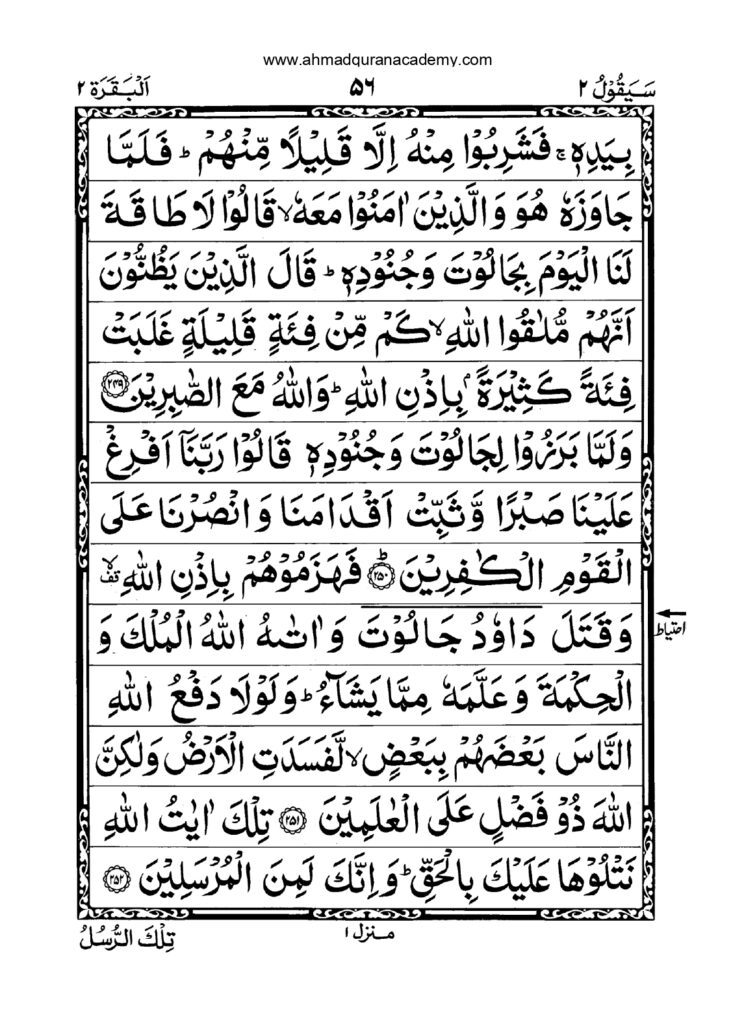
Introduction to Quran Para 2 (Sayakool)
This section introduces Juz 2 by giving an overview of its name, the verses it covers, and the major themes. It sets the tone for the rest of the article and prepares readers to dive deeper into its messages.
Meaning of “Sayakool”
“Sayakool” means “They will say.” It is the first word of this Juz, referring to the objections raised by some groups (like Jews and hypocrites) against the Muslims after the Qiblah change. It signals the upcoming debates and clarifications from Allah.
Verses Covered in Quran Para 2
Juz 2 starts from verse 142 of Surah Al-Baqarah and ends at verse 252. It includes significant rulings about fasting, Qiblah, charity, jihad, and historical stories meant to strengthen the faith of believers.
Change of Qiblah – A New Spiritual Direction
This major historical event marked a shift in Muslim identity and unity. Allah commanded Muslims to now face the Kaaba in Makkah instead of Jerusalem. It tested the obedience and sincerity of believers.
Historical Context of the Qiblah Change
Initially, Muslims prayed towards Jerusalem. After 16-17 months, Allah revealed the command to turn towards the Kaaba. This change was met with criticism by the non-believers but highlighted the importance of following Allah’s command.
Lessons from the Qiblah Shift
It teaches that true faith lies in submitting to Allah’s will, even when faced with criticism. It also shows that Allah decides what is best for His servants, and believers must follow with full trust.
Commandments of Fasting (Sawm) and Ramadan
This part of the Quran introduces the rules of fasting and the importance of the blessed month of Ramadan. Fasting is a spiritual discipline meant to develop piety and control.
Purpose of Fasting
The Quran states the goal of fasting is to attain Taqwa (God-consciousness). It’s a training period for the soul — not just to stay hungry, but to purify thoughts, actions, and intentions.
Rules of Ramadan in the Quran
Details are given on who should fast, who is exempt (like travelers and the sick), and what compensation is needed if one cannot fast. It ensures that fasting is both a duty and a mercy.
Laws of Hajj and Charity (Zakat)
These verses outline the major pillars of Islam: pilgrimage and charity. Hajj is the journey of submission, and charity ensures balance and care in society.
Hajj – The Journey of the Heart
Hajj is not just a physical journey, but a spiritual revival. It traces the footsteps of Prophet Ibrahim (A.S.) and reminds believers of sacrifice, unity, and submission to Allah.
Spending in the Path of Allah
The Quran encourages believers to give from their wealth to help the poor, support righteous causes, and earn the pleasure of Allah. It cleanses the soul and strengthens society.
Ayat-ul-Kursi – The Greatest Verse of the Quran
This is the most powerful verse of the Quran (Surah Al-Baqarah: 255), describing Allah’s absolute authority, knowledge, and greatness. It’s a shield against harm and a declaration of pure monotheism.
Translation and Meaning of Ayat-ul-Kursi
Ayat-ul-Kursi explains that Allah is Ever-Living, Self-Sustaining, and beyond sleep or tiredness. Everything in the universe is under His control, and He needs no help or partner.
Benefits and Virtues of Ayat-ul-Kursi
Whoever recites it after every prayer is under Allah’s protection. It’s a shield from evil, brings spiritual strength, and reflects deep faith in Allah’s power
Stories of Prophets and Believers
The Quran uses stories of past prophets to guide us. These stories inspire, teach patience, and show how Allah helps the sincere.
The Story of Ibrahim (A.S.)
Ibrahim (A.S.) showed unwavering faith in Allah. From breaking idols to building the Kaaba, his life is a lesson in courage, trust, and devotion.
The Example of Talut and Jalut (Saul & Goliath)
Explanation:
This battle story teaches that strength comes from faith, not numbers. Despite being outnumbered, the believers won because they trusted Allah.
Moral, Social, and Spiritual Lessons from Quran para 2
Juz 2 is not just historical — it’s deeply relevant. It gives life lessons on dealing with hardship, showing patience, obeying Allah, and helping others.
Obedience to Allah Over Social Pressure
Believers are reminded to follow divine commands, even if others mock or reject them. True success lies in Allah’s approval, not people’s praise.
Faith is Followed by Action
Faith is proven through deeds — prayer, fasting, charity, honesty, and sacrifice. Islam emphasizes living your faith in every part of life.
If you want to Reading Quran Para 1 then click on Quran para 1.
Quran Para 2 PDF
Quran Para 2 Audio
Quran Para 2 Tranlation
If you want to Reading Quran Para 1 then click on Quran para 1.
FAQs
What is the name of Quran para 2 of the Quran?
Quran Para 2 is called “Sayakool”, which translates to “They will say”. The name is taken from the opening verse of the Para (Surah Al-Baqarah 2:142), referring to the people’s reaction after the Qiblah was changed.
Which Surah is covered in Juz 2?
Juz 2 covers the continuation of Surah Al-Baqarah, starting from verse 142 to verse 252. It contains key topics such as fasting, charity, pilgrimage, and spiritual discipline.
What is the main theme of Quran para 2?
This Para emphasizes obedience to Allah, the spiritual transformation of the Muslim Ummah, the change in the Qiblah, and important Islamic rulings on fasting (Sawm), Zakat, and Hajj.
What was the reason for changing the Qiblah?
The Qiblah was changed from Jerusalem to the Kaaba in Makkah to distinguish the Muslim identity and fulfill Allah’s command. This shift was a test of true belief and submission to divine guidance.
What are the key rulings of fasting mentioned in this Para?
Fasting in the month of Ramadan was made obligatory in this Juz. It outlines conditions for exemption (due to illness or travel), compensations (fidya), and the overall spiritual goals of fasting.
Why is Ayat-ul-Kursi so important?
Ayat-ul-Kursi (2:255) is known as the greatest verse of the Quran. It describes the power, knowledge, and authority of Allah. It offers protection from harm and is often recited for safety and blessings.
What stories are included in Juz 2?
This Para includes the story of Prophet Ibrahim (A.S.) and his complete submission to Allah, as well as the story of Talut (Saul) and Jalut (Goliath), emphasizing that faith is more powerful than physical strength.
Can I learn Quran Para 2 online?
Yes. At Ahmad Quran Academy, students of all ages can learn Juz 2 through interactive online classes with certified male and female Quran teachers, flexible timing, and personalized one-on-one lessons.
Is there a PDF of Quran para 2 with translation available?
A downloadable PDF of Para 2 with English and Urdu translation is available on the Ahmad Quran Academy website, allowing students to study the Quran at their convenience both online and offline.
What lessons can we learn from Quran para 2?
Quran Para 2 teaches us about patience in trials, steadfastness in faith, importance of unity, acts of worship, and that true guidance comes from Allah alone, not from inherited customs or numbers.
Conclusion
Quran Para 2, Sayakool, is a powerful reminder of what it truly means to follow Allah with sincerity, discipline, and unwavering faith. From the historic change of Qiblah to the divine command of fasting in Ramadan, this Para lays the foundation for a complete Islamic way of life. It teaches us that true obedience lies not just in rituals, but in submission to the will of Allah — even when it tests our comfort or understanding.
The inclusion of timeless stories like that of Prophet Ibrahim (A.S.) and Talut vs Jalut shows that strength comes from faith, not numbers or worldly power. Through essential rulings on worship, charity, Hajj, and social justice, this Para equips believers with the tools to live a life that is not only righteous but purposeful. If you want to Reading Quran Para 1 then click on Quran para 1.
At Ahmad Quran Academy, we are committed to helping students from all walks of life understand and apply the divine wisdom of the Quran in their daily lives. Begin your journey with us and let the light of the Quran illuminate your heart, one verse at a time.
Post a comment
Related Posts

December 11, 2024
Quranic Verses About Justice: Fairness and Equity in Islam
Quranic Verses About Justice: Justice is a cornerstone of Islamic teachings, woven into the very…

November 12, 2024
Quranic Verses on Justice: Divine Guidance for Fairness
Explore profound Quranic Verses on Justice that highlight justice as a core principle in Islam.…
November 5, 2024
Ayatul Kursi: Tajweed Techniques for Spiritual Empowerment
Unlock the power of Ayatul Kursi with our detailed Tajweed lessons, designed to help you…