Colors
 Support


Holy Places in Islam is a religion deeply rooted in devotion and spiritual significance, and its holy places serve as focal points for faith, unity, and worship. From the heart of Mecca to the spiritual tranquility of Medina, these sacred sites hold immense importance in the lives of Muslims worldwide. In this detailed exploration, we’ll delve into the history, significance, and cultural importance of the holy places in Islam, shedding light on their profound role in the Islamic tradition.
The Heart of Islam: Mecca and the Kaaba
Why Mecca Is the Holiest Place in Islam
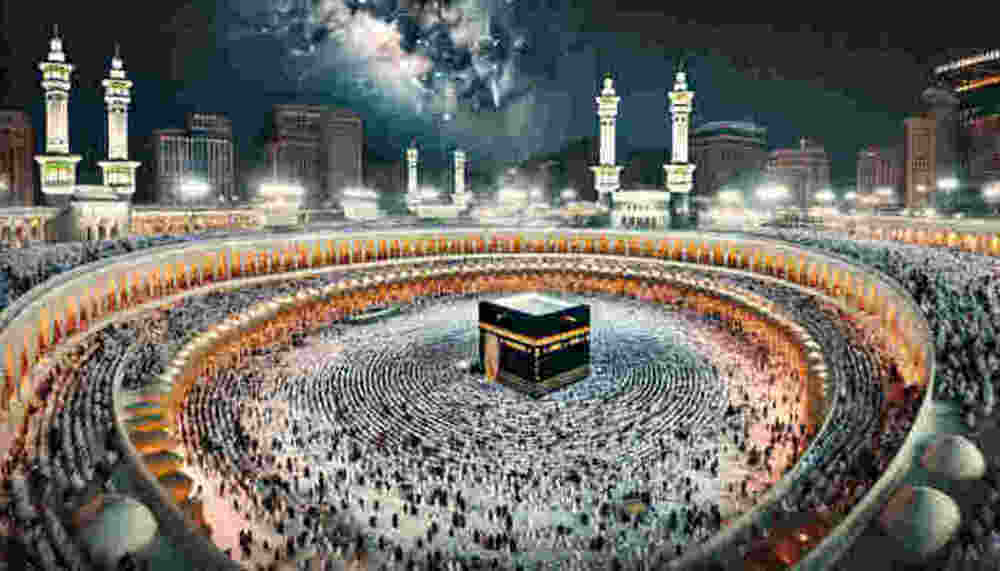
Mecca, located in modern-day Saudi Arabia, is the birthplace of Prophet Muhammad (PBUH) and the site of the Kaaba, the most sacred structure in Islam. It is towards the Kaaba that Muslims around the world face during their daily prayers (Salah).
The Kaaba: The House of Allah
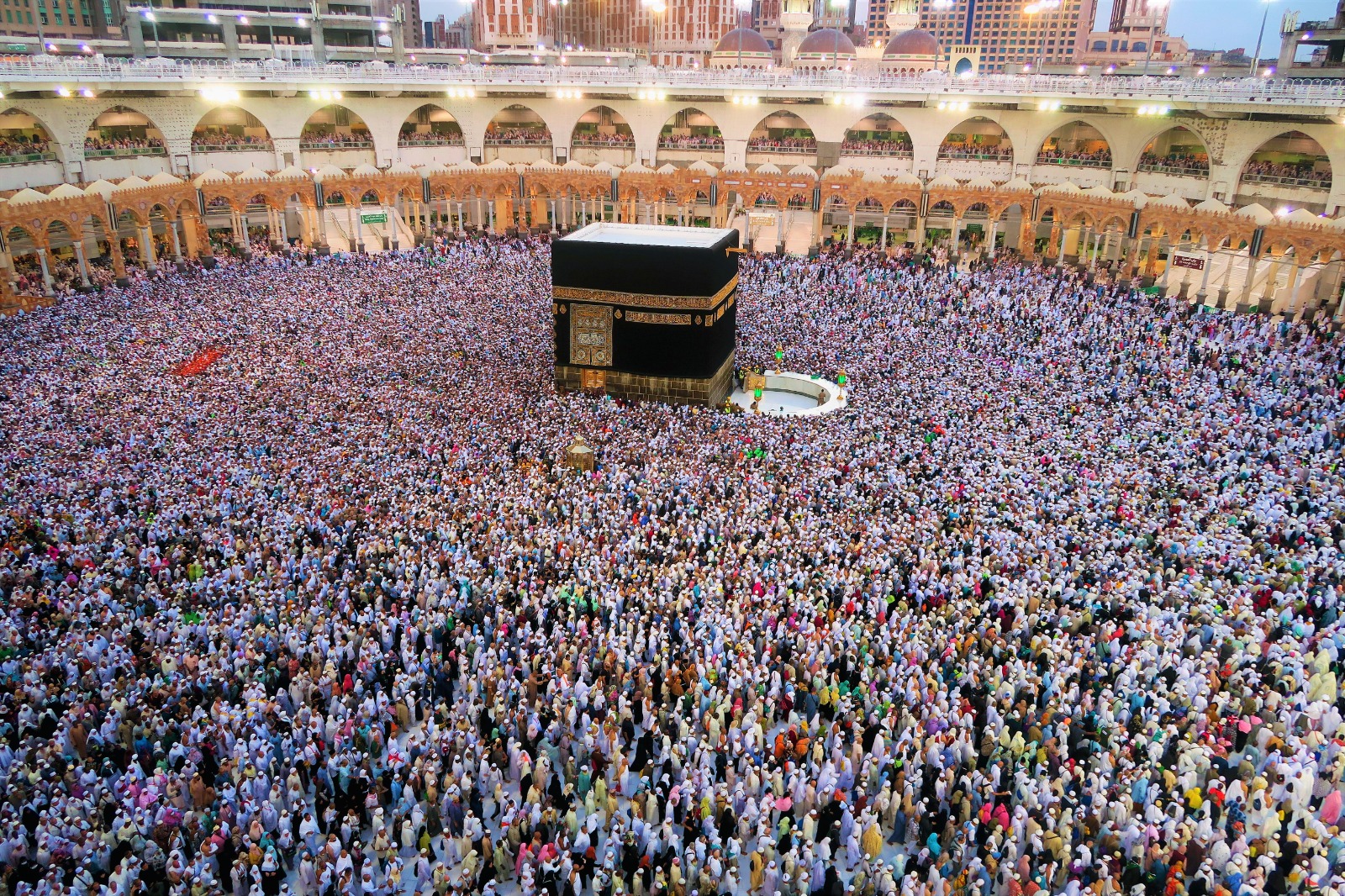
The Kaaba, a cuboid-shaped structure covered with a black cloth embroidered in gold, is considered the “House of Allah.” It is believed to have been built by Prophet Ibrahim (Abraham) and his son, Prophet Ismail (Ishmael). During the annual pilgrimage, Hajj, millions of Muslims circumambulate the Kaaba in an act of unity and submission to Allah.
The Significance of Hajj and Umrah
Hajj, one of the Five Pillars of Islam, is an obligatory act for every able-bodied Muslim with the financial means to perform it at least once in their lifetime. Meanwhile, Umrah is a non-mandatory pilgrimage that can be performed at any time of the year, offering Muslims the opportunity to connect with their Creator.
Medina: The City of the Prophet
Masjid Al-Nabawi: A Sanctuary of Peace
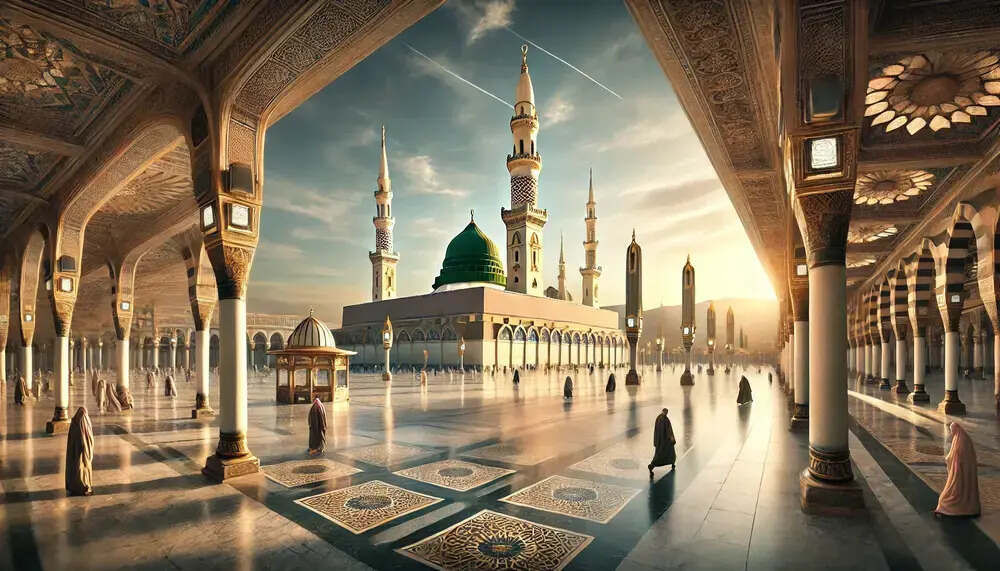
Medina is the second holiest city in Islam and is home to Masjid Al-Nabawi, the Prophet’s Mosque. This mosque, originally built by Prophet Muhammad (PBUH), is a beacon of peace and spirituality.
The Green Dome, which marks the resting place of the Prophet Muhammad (PBUH), is a site of immense reverence. Pilgrims from all over the world visit Medina to pray in Masjid Al-Nabawi and pay their respects.
Historical Significance of Medina
Medina also holds historical importance as the place where the Islamic community first flourished. The city served as the capital of the Islamic state during the Prophet’s time and was the site of pivotal events in Islamic history, including the establishment of the first mosque, Masjid Quba.
Al-Aqsa Mosque: The First Qibla

A Sacred Connection to Jerusalem
Al-Aqsa Mosque, located in Jerusalem, is the third holiest site in Islam. It holds a special place in Islamic history as the first Qibla (direction of prayer) before the direction was changed to the Kaaba in Mecca.
The Night Journey: Isra and Miraj
Al-Aqsa is also associated with the miraculous night journey of Isra and Miraj, where Prophet Muhammad (PBUH) ascended to the heavens. This event emphasizes the spiritual bond between the mosque and the broader Islamic faith.
Cultural and Historical Legacy
The Dome of the Rock, located on the same compound as Al-Aqsa, is another iconic symbol of Islamic heritage. Its gold-plated dome and intricate designs represent the artistic achievements of Islamic civilization.
Other Holy Places in Islam
Masjid Quba: The First Mosque

Located in Medina, Masjid Quba was the first mosque ever built in Islamic history. The Prophet Muhammad (PBUH) himself laid its foundation. A visit to this mosque is considered highly rewarding.
Mount Arafat: The Mountain of Mercy
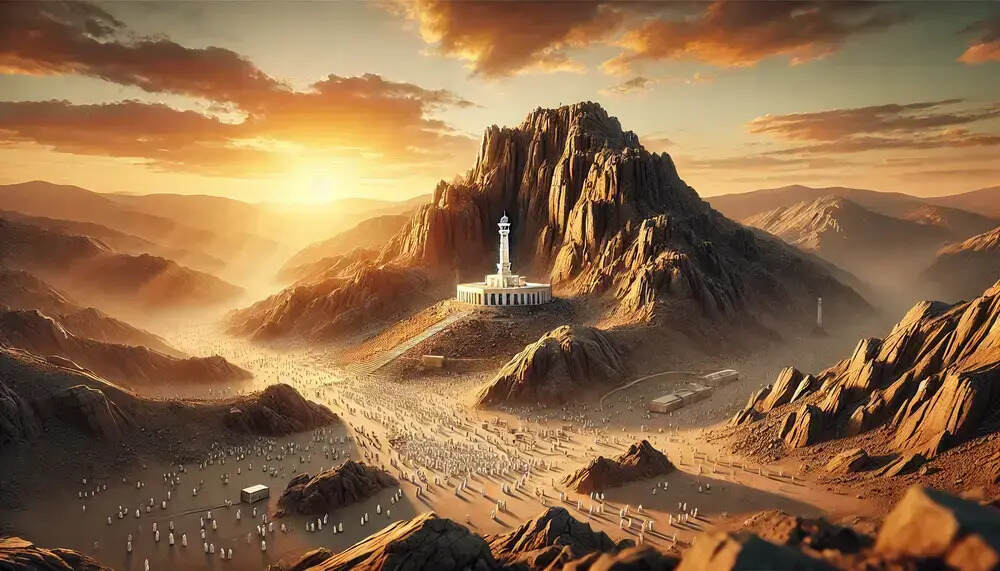
Mount Arafat, near Mecca, is where the Prophet delivered his farewell sermon during his final pilgrimage. On the Day of Arafah, pilgrims gather here to perform one of the key rituals of Hajj, seeking forgiveness and making heartfelt supplications.
The Well of Zamzam
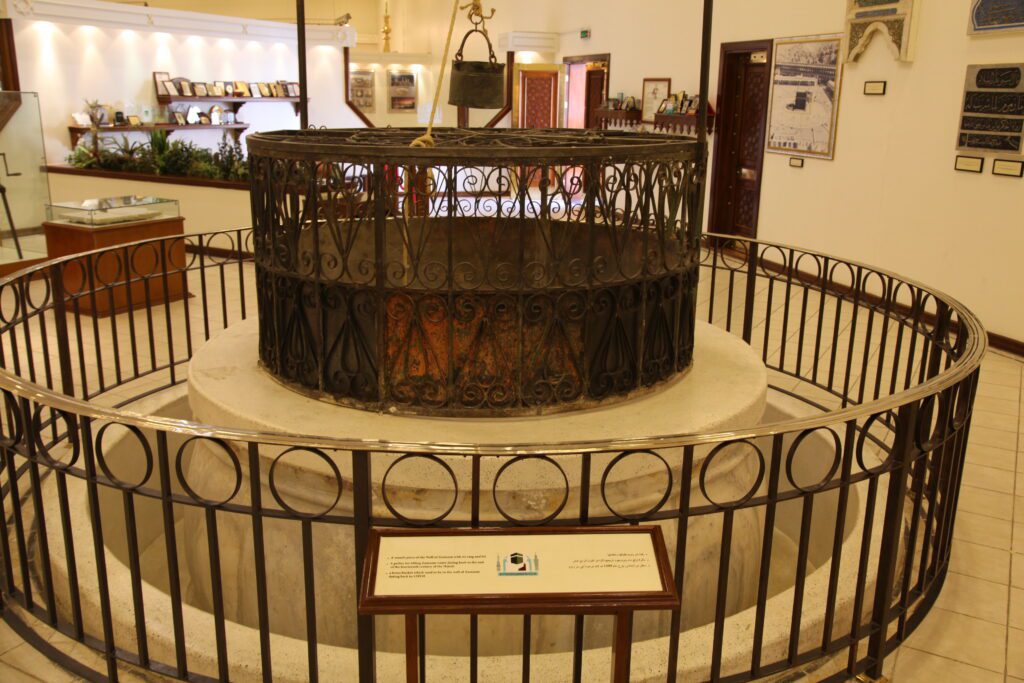
Located within the precincts of Masjid Al-Haram, the Well of Zamzam is believed to have miraculously sprung up for Hagar and her son Ismail. Its water is regarded as sacred and is consumed by pilgrims during their visit.
The Spiritual Impact of Visiting Islamic Holy Places
The holy places in Islam are more than just historical landmarks; they are deeply intertwined with the faith and identity of Muslims. Visiting these sites fosters a sense of unity, spirituality, and closeness to Allah. The rituals performed during these visits, such as Tawaf (circumambulating the Kaaba) and Sa’i (walking between Safa and Marwah), symbolize devotion and obedience.
Preserving Islamic Heritage
As Islam continues to grow globally, the preservation of these holy sites becomes a shared responsibility. Efforts to maintain their sanctity and educate future generations about their significance are essential for sustaining the spiritual legacy of Islam.
Conclusion: A Journey of Faith and Reverence
The Holy Places in Islam are not only sacred spaces but also repositories of history, culture, and devotion. They remind Muslims of their shared beliefs, the sacrifices of their prophets, and the unbreakable bond between their faith and their daily lives. Whether it’s the Kaaba in Mecca, the Prophet’s Mosque in Medina, or the Al-Aqsa Mosque in Jerusalem, each site offers a unique opportunity for spiritual reflection and growth.
Embark on this sacred journey, and you’ll discover a deeper connection to your faith and the essence of Islam itself.
Post a comment
Related Posts
October 9, 2026
Best Time to Perform Umrah in Ramadan: First, Middle or Last 10 Days?
There is no better spiritual reward than a Ramadan Umrah. The rewards for every good…

January 23, 2025
Forced Marriage in Islam: A Misunderstood Concept
Forced marriage is a subject often misunderstood and misrepresented in discussions about Islam. Contrary to…

January 21, 2025
Prophet Lut: His Story, Lessons, and Divine Punishment
Prophet Lut: Lessons from His Life and the Story of Sodom and Gomorrah The story…